Fallout for Sainsbury’s as €8.4bn Asda deal is blocked
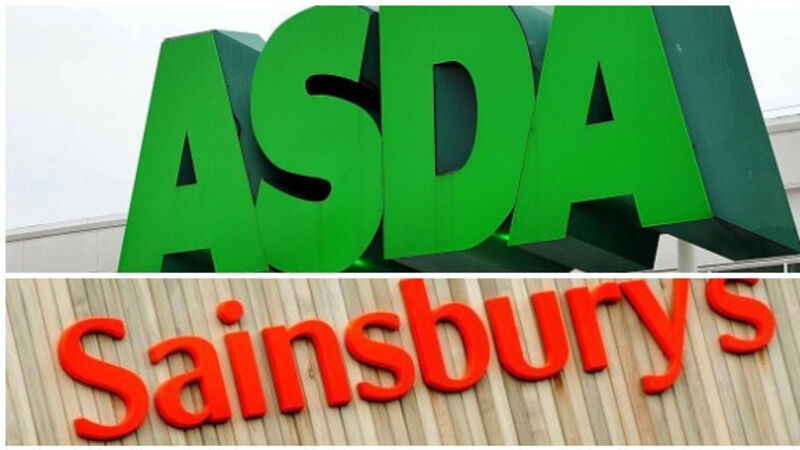
Britain’s competition regulator has blocked Sainsbury’s proposed £7.3bn (€8.4bn) takeover of Walmart-owned Asda — a huge blow to the supermarket groups who wanted to combine to overtake market leader Tesco.
The implications of the deal failing are likely to be significant. Some analysts believe Sainsbury’s will have to undergo a major shake-up that could see new chairman Martin Scicluna part company with chief executive Mike Coupe.
Analysts at Jefferies believe the risk of a reinvigorated market leader Tesco continuing to recover customers historically lost to Sainsbury’s needs addressing with urgency. The proposed tie-up also had huge implications for many Irish food firms and farmers because the UK supermarkets are huge buyers of Irish food.
Mr Coupe made unwanted headlines when he was caught on camera singing: “We’re in the money” shortly after the deal was announced last April. Analysts said questions will be raised over his future after it failed to win approval.
The deal would have resulted in a substantial lessening of competition at both a UK national and local level, with prices rising in stores, online and at petrol stations, the CMA said. As well as leapfrogging Tesco, the deal would have given Walmart a way to exit Britain, one of the weakest performers in its global portfolio. Shares in Sainsbury’s fell by over 4%, extending their losses over the last three months to 22%.
After delivering a damning provisional report in February, the CMA’s final report was equally stern. Sainsbury’s share of the UK grocery market has dropped from 15.8% to 15.3% in the last year, while Asda’s has fallen from 15.6% to 15.3%, according to data from market researcher Kantar.
All of the big four grocers have lost share in the UK to German discounters Aldi and Lidl, which now have a combined 13.6%. Tesco has 27.4% in the UK.
Sainsbury’s and Asda have argued their share of the total market for food was smaller than the data indicated because of the emergence of new players like delivery services, but the regulator was not persuaded.
CONNECT WITH US TODAY



Be the first to know the latest news and updates