'It’s simply not possible': Cork principal hits out at SNA cuts
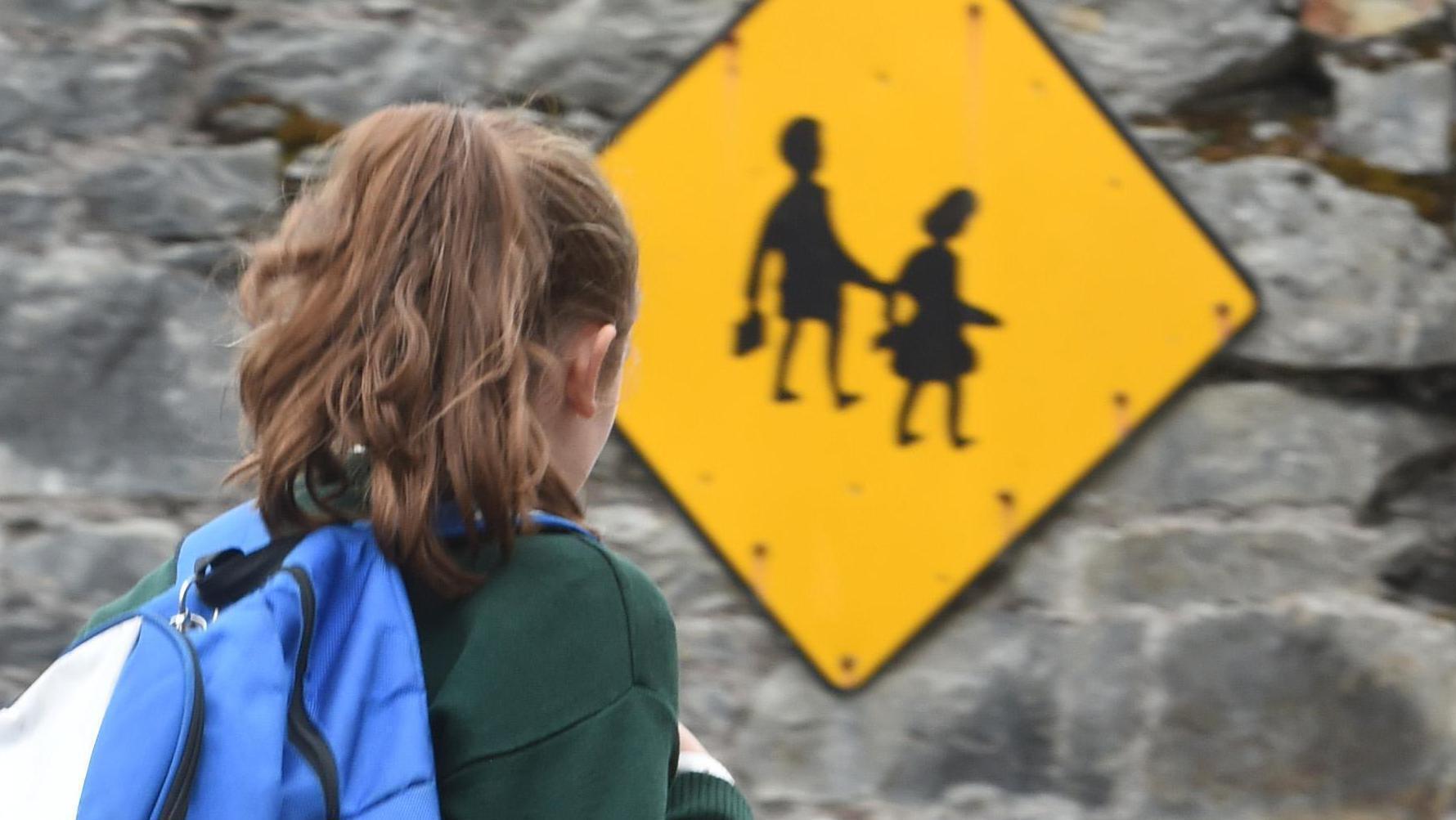
One parent told Jess Casey: 'Inclusion without adequate staffing is not inclusion — it's abandonment.' File picture: Larry Cummins
Like many schools across the country, Scoil Barra prides itself on its inclusivity.
The mainstream primary school in Ballincollig, Cork, has 450 pupils.
More than a quarter of its pupils require the support of a special needs assistant (SNA) throughout the school day. Despite this, the school is set for a cutback come September.
Following a review by the National Council for Special Education (NCSE), it’s set to lose two SNA positions.
“Our SNA provision is already stretched,” school principal Martina Barry said.
“We were hoping at least to retain what we have.
Scoil Barra is one of almost 200 mainstream schools to date set to see reductions in their overall number of SNA posts for the 2026/27 school year.
Further reductions are expected to be communicated in the coming weeks.
Read More
While the overall number of SNAs in the school system is set to increase for the next school year, many mainstream schools nationwide report feeling “mystified” by decisions to cut SNA posts from their already stretched resources.
On Monday, education minister Hildegarde Naughton repeated a point often cited by the Department of Education when asked about the provision of special education: Most children who have additional needs attend mainstream schools.
And as mainstream schools have become more inclusive in recent years, students’ needs have naturally increased and become more complex.
This might include students who have medical needs or mobility issues, such as wheelchair users or students who need help accessing parts of the school campus.
There are also students who may need help with toileting or safe catheterisation, as well as students living with disorders such as Crohn’s disease, bleeding disorders, or epilepsy, or who deal with severe allergies and need assistance with epipens.
Some students may be at flight risk, or struggle with mental health issues and may need extra supervision. There are also autistic students, or students who have ADHD, or those who may need help with regulation.
“We need the human resources to support them,” Scoil Barra deputy principal Joanne Doherty said.
“What seems to be lost in all of this we feel is that for a lot of pupils with autism we are integrating them into the mainstream classroom, but they need the support of an SNA.
“They need the human resources in there with them, because regulation-wise, they need the input of SNAs.”
The school took time to put together comprehensive, evidence-based documentation for the NCSE.
Ms Barry said: “The outcome simply does not align with the level of need in our school. We haven’t received clear, transparent criteria explaining why this reduction was calculated.
It’s fundamentally a health and safety matter, she added.
“Teachers cannot absorb the care needs on top of full classrooms. It’s placing unsustainable pressure on schools. We are appealing to the NCSE to change this decision because we need to retain the supports we currently rely on, which are already stretched, but there is no way we can take cuts. We just can’t.”
In Killarney, schools have been advised that around 10 SNAs are expected to lose their posts. Principal Paul Favier pointed out that while the NCSE may be able to stand over the cuts, schools will argue that the criteria they are using is “outdated”.
“The criteria for primary care needs and the allocation of SNAs is from 2014, and schools have changed a lot in the last 12 years.”
A reduction in SNAs at mainstream schools will have a direct impact on boards of management, as it increases the liability they will be under, he added.
“It increases the possibility of litigation, especially in the areas of pupil safety, staff safety, personal injury, negligence, enrolments, equality, discipline, suspensions, and expulsions,” said Mr Favier.
One of many parents who contacted the to highlight their anger at the proposed cuts also wished to highlight the impact the proposals will have on the wider system.
His daughter attends a primary school in Cork that will see its SNA provision reduced by 40%, directly affecting 74 pupils.
He said: “However, the impact of this decision extends beyond individual children.
That has implications not only for those directly supported but for teachers and pupils more broadly.”
A spokeswoman for the Department of Education said the NCSE undertakes “a robust process to ensure that SNA reviews are based on the care needs of an individual school”.
“It is not correct to say that SNAs are being removed from mainstream classes to provide for resources in special classes.”
On Monday, both Ms Naughton and junior minister for special education Michael Moynihan urged schools unhappy with their allocations to engage with the appeals process.
At Scoil Barra, Ms Barry said it will continue to engage with the NCSE.
“The Government is promoting meaningful inclusion in mainstream classrooms, and we are very much in support of that,” she said.
“We have established a varied, diverse and welcoming school.
“You simply cannot claim to promote meaningful inclusion if you are removing the resources that make that sustainable.
“We’re appealing; we have engaged fully with the NCSE review, and we will continue to engage constructively with the NCSE through the appeals process, but we need transparency, fairness and resourcing that matches reality.
“We’re simply asking that the decisions reflect the lived reality of schools.”
- Jess Casey, Education Correspondent
Read More

CONNECT WITH US TODAY



Be the first to know the latest news and updates