Microsoft Outlook, Teams outage eases after over a day but recovery timeline uncertain
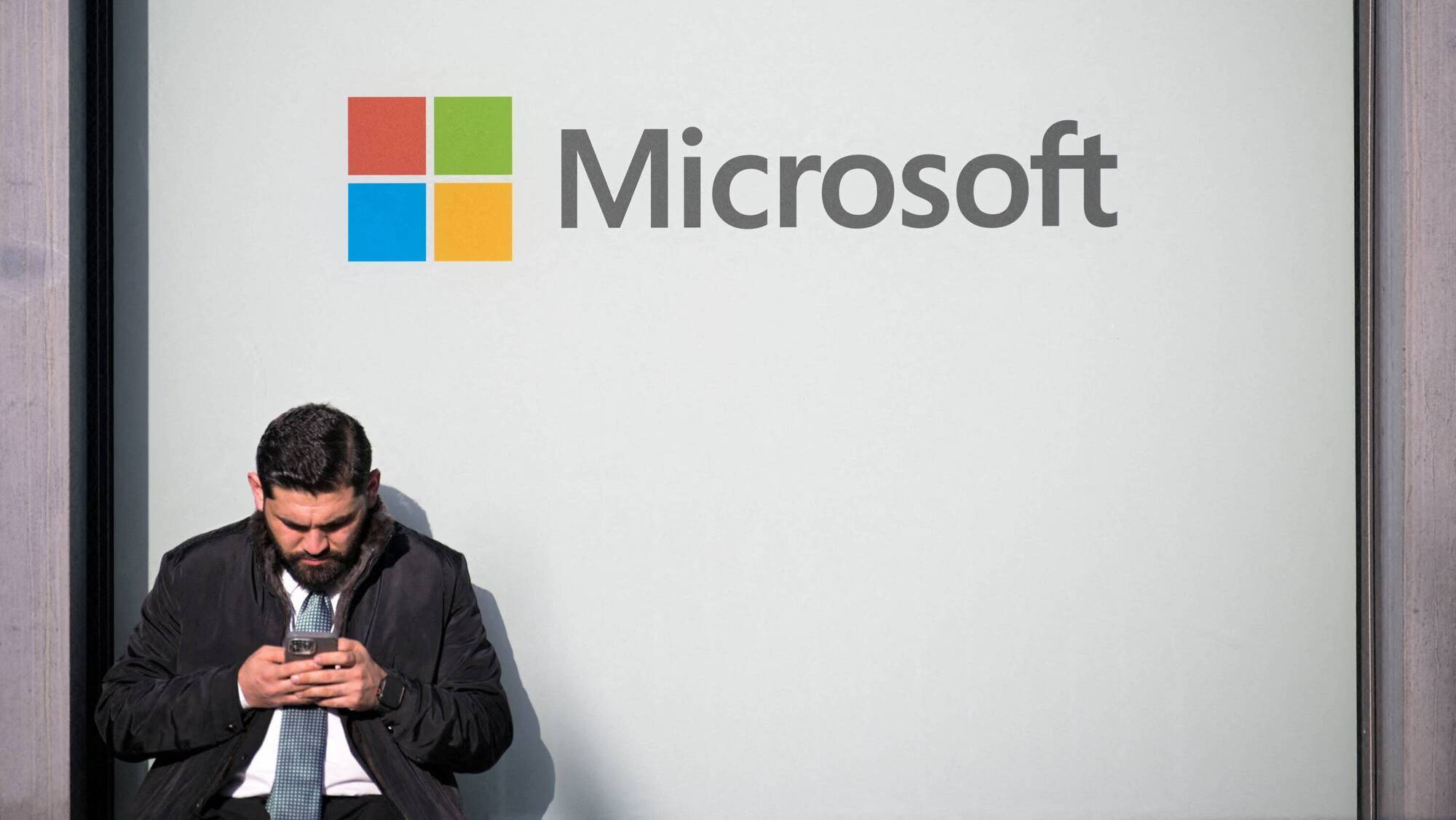
In a statement posted on X on Friday afternoon, Microsoft said: 'We are deeply sorry for the disruption this incident has caused our customers and partners. We know the trust they place in our services and take that responsibility extremely seriously.' File picture: Romina Amato/Reuters
A global outage of Microsoft Outlook and Teams was easing on Friday after more than 24 hours of disruption crippled online communications across businesses and governments, though the company said it still had no timeline for full recovery of services.
Microsoft said server issues were behind the incident that also affected its Copilot AI assistant and that a broader rollout of software fixes was stabilising the system. It said it was not aware of any malicious activity and ruled out AI as the cause.
Outlook and Teams are two of the most widely used workplace applications with hundreds of millions of users. The outage prevented people from performing essential functions such as sending emails, managing calendars, and hosting virtual meetings.
It affected government agencies from Australia and Japan to the US, caused delays at trading firms, hindered some companies from publishing earnings, and prompted airlines to warn customers of communication lags.
Organisations that host Microsoft services on their own servers, rather than in the cloud, were somewhat spared.
Read More
The outage, reports of which started climbing around 5.25pm on Thursday, is one of the longest in Microsoft's history and the second disruption to its services this year.
Microsoft said the outage specifically hit features tied to Exchange Online — its cloud-based email and scheduling hub — leaving unconnected applications operational.
In a statement posted on X on Friday afternoon, Microsoft said: “We are deeply sorry for the disruption this incident has caused our customers and partners. We know the trust they place in our services and take that responsibility extremely seriously.
“We are seeing broad recovery and stability across our services.
“We have addressed the underlying issue and continue to restore service to remaining customers and regions.
“Given the scale of demand, we restored services gradually, validating stability at each stage. While this took longer, it helped ensure a stable restoration.
“We will provide a full post-incident report once our review is complete.”
The incident deepens questions about the global reliance on a handful of Big Tech companies that supply both the essential software and the cloud infrastructure that underpins it.
It also highlighted the dependence on Microsoft's workplace software, with outage reports spiking as employees began their workdays across Asia and Europe, according to Downdetector's parent company, Ookla.
Downdetector logged more than 7.4m reports worldwide, peaking at nearly 20,000 a minute, more than 1,500 times normal levels.
"It shows how much of the working day now runs through one provider's email and collaboration tools," said Luke Kehoe, lead industry analyst at Ookla.
Microsoft shares closed flat at $523.88 on Friday. The stock has gained roughly 8% so far this year.
Disruptions and financial losses from the outage could result in numerous insurance claims, but the overall hit to insurers is expected to be limited, said Mario De Cicco, vice president of European financial institutions at Morningstar.
De Cicco estimated global insured losses from the incident at between $300m and $500m, well below the $400m to $1.5bn financial toll from the 2024 CrowdStrike outage that crashed more than 8m Windows-based computers and caused widespread disruptions.
Microsoft also faced an outage with its 365 services in January this year and in October last year. Last month, it reported an outage of its Azure cloud platform that impacted its suite of productivity software and a range of industries worldwide.
"The bigger worry is that this is not the first Microsoft 365 outage this year," said Josh Gilbert, a market analyst at trading platform eToro.
"If reliability starts to look like a recurring problem, it hands every IT department a reason to think twice before putting even more of their business in one provider's hands."
Still, some analysts have questioned whether such incidents can push customers on to rivals due to the steep switching costs of replacing tools embedded so deeply in daily operations.
A spokesperson for the UK government said it was working with Microsoft to find a solution for the outage that hit organisations such as the NHS and London's Metropolitan Police.
Lack of access to emails and other services was impacting the Metropolitan Police's ability to report some crimes online, though its ability to respond to calls was not affected.
The NHS said its local services were turning to alternate measures such as using IT systems or paper records.
For businesses, the fallout was widespread.
European exchange operator Euronext reported email disruptions, British insurer Aviva activated backups for its earnings calls, and Danish shipping giant Maersk warned customers of delayed updates.
American AI giants OpenAI and Anthropic also faced issues with Microsoft connectors, while Indian airlines IndiGo, Akasa Air, and Air India said their email support services were impacted.
The outage also disrupted fund management at Taiwanese securities firms, life insurers, and investment trust companies. One of the companies went as far as cancelling a bond repurchase transaction.
Another Taiwanese financial company resorted to using fax to confirm trades.
In the US, electric truck maker Workhorse Group rescheduled its results on Thursday to November 16, while Switzerland's Richemont briefly delayed its first-half results announcement on Friday.
In Australia, where the spy agency and federal police were among organisations caught in the outage, Cyber Security Minister Tony Burke said Microsoft does not suspect a cyberattack.
"The impact that they are dealing with... is very much on email systems," the minister added.

CONNECT WITH US TODAY



Be the first to know the latest news and updates