Russian strikes on Ukrainian energy facilities continue despite ‘ceasefire’
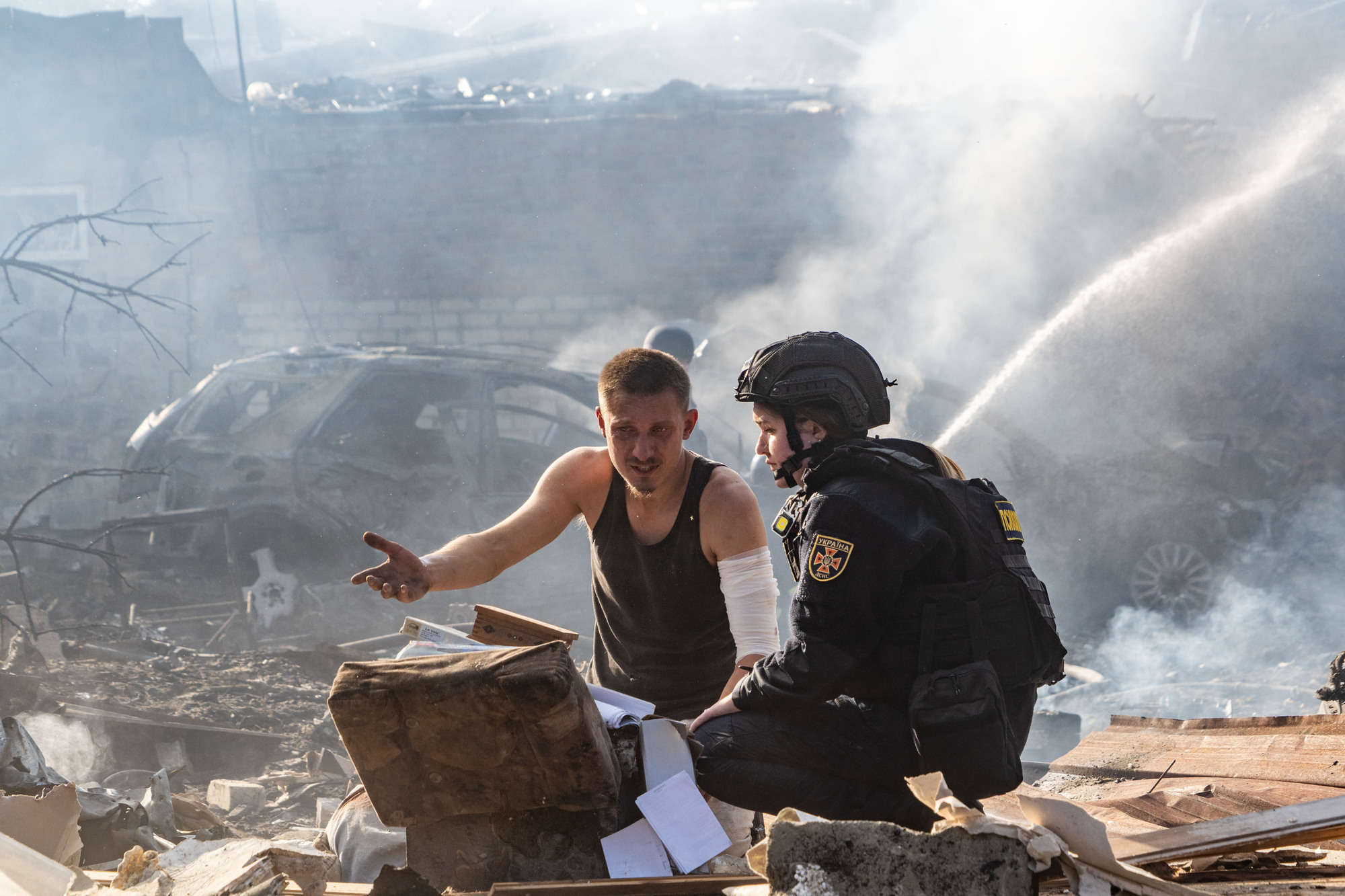
Russia has continued to strike Ukraine’s energy facilities even after US president Donald Trump announced a day earlier that the warring countries had agreed on an “energy ceasefire”, officials said.
The regional prosecutor’s office of Kharkiv in north-eastern Ukraine said Russian forces had attacked an energy facility on the outskirts of the city.
That came after Ukrainian president Volodymyr Zelensky said that while he “welcomed” Mr Trump’s announcement, Russia was still hitting energy infrastructure in the capital Kyiv and in Kharkiv.
Mr Trump’s brief social media post on Sunday announcing the purported agreement to mutually cease attacks on energy sites said only that the ceasefire had taken effect immediately, adding: “Do not break it!”
The US leader had also claimed in a social media post on September 14 that both countries had agreed “not to hit” each other’s energy infrastructure, but offered no details on that proposal either – and nothing came of the purported agreement.
Russia has used attacks on energy facilities in order to deny Ukrainian civilians power, heat and running water during the war, hoping to wear down public resistance to Moscow’s full-scale invasion. Ukrainian officials describe the strategy as “weaponising winter”.
Ukraine, meanwhile, has levelled strikes against Russian energy sites like oil refineries, sometimes deep within Russian territory.
That prompted Mr Trump to blame Mr Zelensky for high diesel prices in the US only weeks before the country’s mid-term elections.
Moscow did not immediately comment on the purported deal. Mr Zelensky said on Sunday that while his country “welcomed” the announcement by Mr Trump as “good news for everyone”, Russia was still hitting energy infrastructure in Kyiv and in Kharkiv.
Mr Zelensky said Kyiv was ready to comply with Mr Trump’s requests to stop striking Russian refineries if Moscow halted attacks on Ukraine’s energy system, and he asked Mr Trump to press the Kremlin to agree.
The European Union’s top diplomat Kaja Kallas welcomed the prospect of a pause in energy strikes in Ukraine, particularly as winter approaches, but said she sees no sign that Russia would be willing to respect it.
“We haven’t yet seen that also Russia will stick to it,” EU foreign policy chief Ms Kallas said at a meeting of the bloc’s foreign ministers in Luxembourg.
“Personally, I would also welcome that the ceasefire would include people not being killed, not only energy.”
Ms Kallas also emphasised the need for European countries to continue supporting Ukraine’s efforts to defend against Moscow’s full-scale invasion, even as Mr Trump struck a deal on Friday with Russian president Vladimir Putin for the US to purchase diesel from Moscow.
Ukrainian and European officials reacted to the diesel deal with dismay, saying it will help pay for Russia’s war effort.
On Monday, several EU foreign ministers said the diesel deal is unlikely to bring energy prices down, and appears to be aimed at helping Republicans win the midterm elections.
Estonian foreign minister Margus Tsahkna told reporters in Luxembourg that he does not believe the deal “is actually going to change anything” in terms of fuel prices, and that it is ”much more connected to the domestic situation in the US”.
Asked about Mr Trump’s deal with Putin, Ms Kallas said that only pressure on Russia will be able to bring an end to the fighting.
“Russia has started this war,” she told reporters. “We should put the pressure on Russia so that they will stop, because if they stop, Ukrainians also don’t have to take any steps to defend their country.”
Ms Kallas also pushed back on Mr Trump’s comments on Saturday that it was time for Ukraine to get a new president and that Mr Zelensky has not done enough to end the war. The EU’s top diplomat said that now is not the time to hold elections in Ukraine, at least not without a ceasefire.
“If the pressure is put on Russia so that they will stop this war, I’m sure that Ukraine will have elections,” she said.
A Russian drone attack on the village of Pisochyn in the Kharkiv district on Sunday evening killed three people and injured nine others, including children, according to the Kharkiv regional prosecutor’s office.
Investigators said the attack struck a densely populated area near apartment buildings and grocery stores and sparking a fire.
Ukrainian air defence forces shot down or suppressed 89 of 121 Russian drones overnight, Ukraine’s Air Force said in a Telegram post. The attack involved one Kh-59 guided air-to-surface missile and 121 drones, including 76 jet-powered Shahed-type drones.
Strikes were recorded at 15 locations in Ukraine, while debris from downed drones fell at four locations.
The Russian defence ministry said its air defences intercepted 151 Ukrainian drones over Russian regions as well as the illegally annexed Crimea and the waters of the Black Sea.
In a separate statement, the ministry said its forces overnight carried out drone strikes on Ukraine’s unspecified port infrastructure and a bulk carrier heading to Ukraine’s port city of Odesa with military cargo on board.


CONNECT WITH US TODAY



Be the first to know the latest news and updates