Australia sees teenagers return to social media despite world’s first usage ban
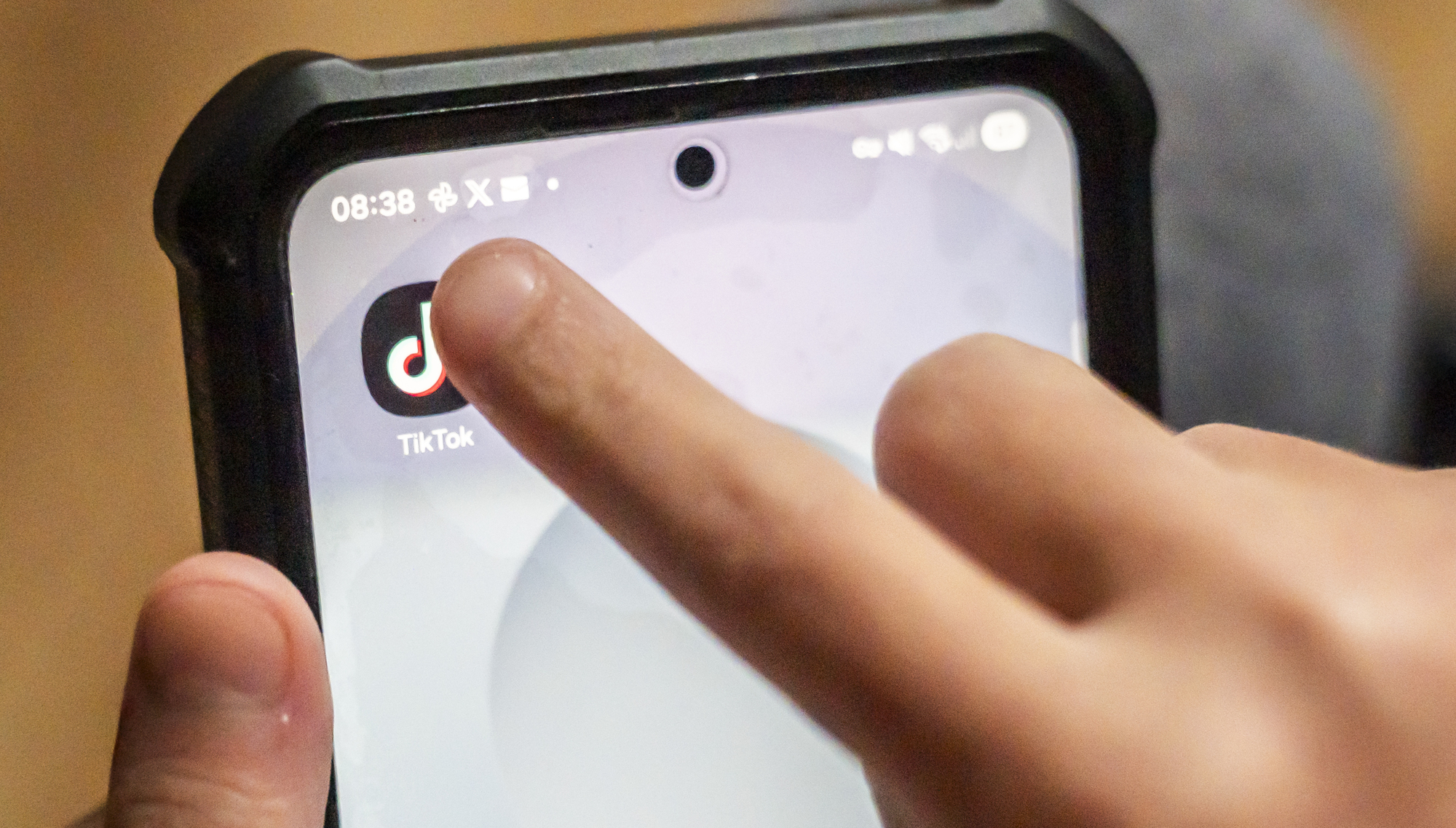
Usage rates for Instagram and Snapchat are lower than TikTok, but have also begun to creep up after falling initially when the ban came into effect in December. File picture
Eight months after implementing a ban on under-16s accessing social media serviceslike TikTok, Australia finds its younger users are returning in droves, according to new data from a parental control software maker.
Some 26% of children between the ages of 13 and 15 were on TikTok as of last month, just one percentage point below the rate prior to Australia’s groundbreaking rules coming into effect, said Qustodio.
The rate for children between the ages of 10 and 12 is higher now than before the ban, according to the data.
Australia’s government has been at the forefront of legislating to prevent underage users from accessing services such as Instagram, Facebook, and TikTok.
Read More
Many argue the services are harmful to young users’ mental health and other countries are following Australia’s example, including New Zealand announcing plans this week.
“What we’ve seen is an immediate drop to a degree, but slowly but surely the numbers have started to increase again to almost equivalent levels” for some services, said Yasmin London, a global online safety expert at Qustodio.
Usage rates for Instagram and Snapchat are lower than TikTok, but have also begun to creep up after falling initially when the ban came into effect in December.
Children could be obfuscating their ages, using virtual private networks (VPNs) that disguise their locations, or simply not encountering effective age checks on platforms, said Ms London.
“In the end, kids want access because they want to be connected just like the rest of us,” said Ms London.
The data underscores concerns about the effectiveness of Australia’s age controls and Big Tech’s compliance with them. Regulators, tech firms, and parents around the world are studying Australia’s experience as more than two dozen governments have implemented or are seeking to implement similar measures.
Australia is being “closely watched” and has come to symbolise the issue of social media restrictions, said Minda Smiley, a senior analyst at Emarketer focused on social media.
“Even as other countries follow suit, I think a lot of people are paying particular attention to Australia and hoping it can provide some sort of blueprint.”
Qustodio says the new data may understate the issue as it is collected only from devices that have its parental oversight software installed.
It comes as social media giants face numerous lawsuits in the US alleging they are harming young users by making their platforms hard to resist.
Barcelona-based Qustodio’s research was based on anonymised information from 19,000 Australian families. It measured the percentage of children who had unblocked access to the apps and used them at least once per month for more than five consecutive minutes.
One service seeing an increase in usage is Meta’s WhatsApp, which is not subject to the government’s restrictions. Some 27% of children aged between 13 and 15 were on the messaging platform prior to the ban. That number now stands at 36%.
Australia’s government in June said the social media companies weren’t doing enough to comply with the age restriction, which mandates that the firms take reasonable steps to keep under-16s off or face fines.
It pledged to double the maximum penalty for violations to A$99m (€61m) and to give the country’s online safety watchdog extra enforcement powers. No social media platform has been fined for breaching the ban so far.
Australia’s online safety regulator, known as eSafety, didn’t immediately respond to a request for comment on the new data.
Governments looking for clues as to whether Australia’s rules are working will likely take the long view, said Ms Smiley.
“It’s still early enough in the game that I think Australia will keep pressing,” she said.
“The ban has come at a time when social media is under more scrutiny than ever, so I’d say they have public sentiment on their side.”


CONNECT WITH US TODAY



Be the first to know the latest news and updates