Death toll from DR Congo’s Ebola outbreak passes 2,000
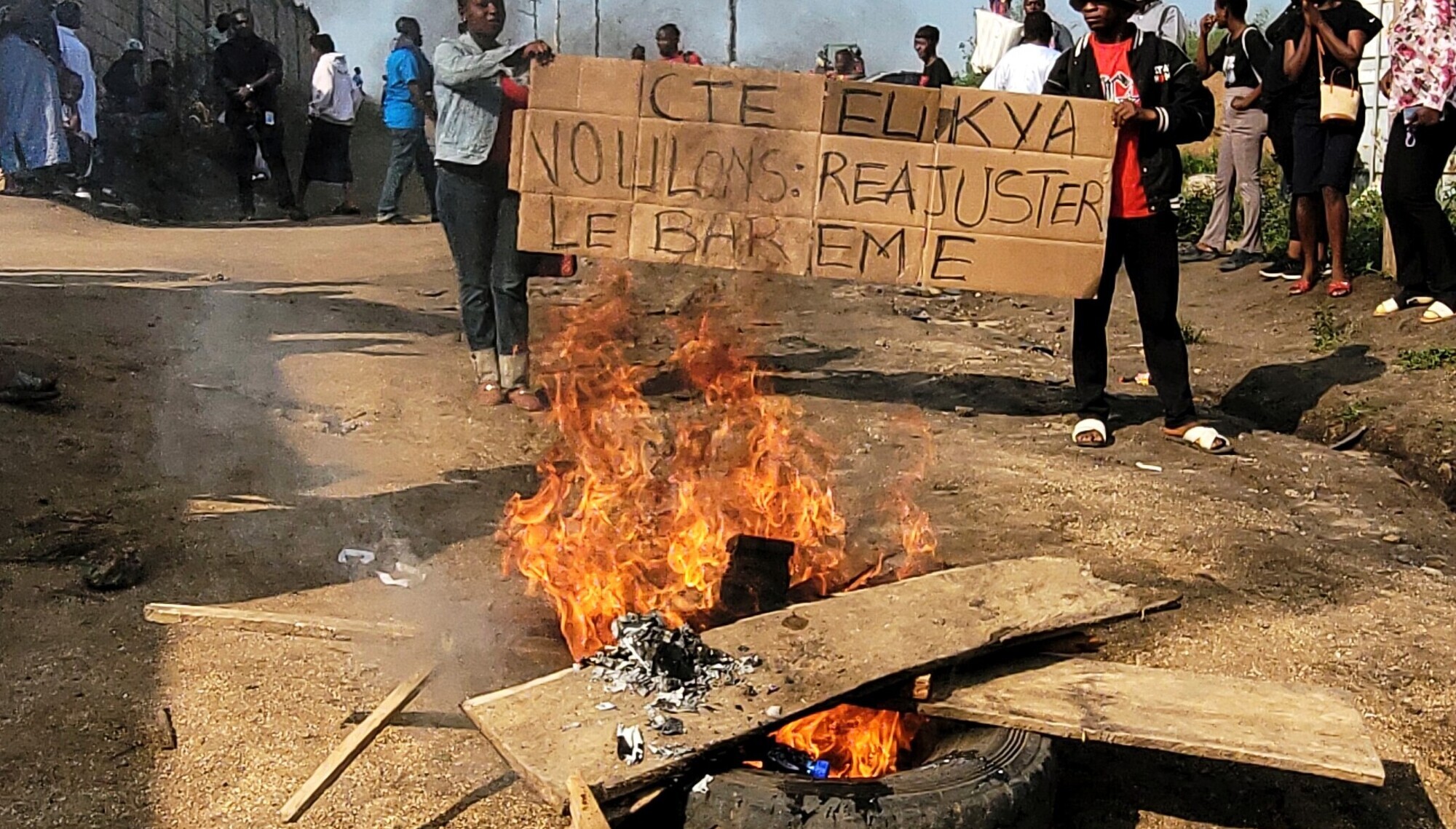
Rubble set on fire as health and frontline workers protest at the Elikya Ebola Treatment Center in Bunia, Congo, on Saturday, July 25, 2026. (AP Photo/Constant Same Bagalwa)
At least 2,000 people have died among the confirmed cases in DR Congo’s Ebola outbreak that is the fastest growing on record.
Data published overnight into Tuesday showed the outbreak has recorded a total of 4,381 confirmed cases, including 2,011 deaths. A total of 704 patients are in isolation in hospitals.
The toll comes nearly three months since the outbreak was declared on May 15. While it took about nine weeks for the outbreak to record 1,000 deaths, it has taken just around three weeks to record the additional 1,000 deaths, underscoring the complaints from responders that help is not getting quickly enough to remote localities.
The Ebola outbreak is unlike most previous ones because the rare Bundibugyo virus responsible for it has no approved vaccines or treatments.
The World Health Organisation (WHO) said on Monday that it started in February, long before authorities detected it in one of DR Congo’s most remote and vulnerable areas.
Read More
The first Ebola virus to be identified was in 1976 near the Ebola River. The current outbreak is the 17th — and largest — the Central African nation has faced.
Many health workers have gone on strike to protest against lack of payment for their work since the outbreak was declared. And the WHO has said most new cases are still being recorded outside of contacts being monitored, showing that transmission remains out of the control of health workers.
Ebola can be caused by different types of virus. Although the type responsible for the 2014-2016 outbreak is considered the deadliest, government data shows this Bundibugyo outbreak has killed a higher percentage of people as care and support are not getting to patients quickly enough. Many cases are reporting symptoms late or not at all.
The ongoing outbreak has so far had a case fatality rate of 45.9%, more than the 39.6% rate recorded in the 2014-2016 West Africa outbreak.
“In the absence of an effective vaccine, control (for the outbreak) rests on identifying cases and then nursing them in secure facilities until they recover or sadly perish,” said Paul Hunter, a professor in medicine at the University of East Anglia in the UK.
In a remote region like this with an ongoing conflict and interrupted communications, routine surveillance can be very difficult and “identifying cases early enough to prevent spread can be impossible”, said Prof Hunter.
The WHO said on Monday that at the onset of the outbreak in one of Congo’s most remote and vulnerable areas, some cases were wrongly attributed to malaria and typhoid, and that early testing was conducted for the more common type of Ebola.
The WHO regional director for Africa, Dr Mohamed Yakub Janabi, told a news conference that officials are “chasing the virus, the virus is ahead of us”.

BLACK FRIDAY
Already a subscriber? Sign in

CONNECT WITH US TODAY



Be the first to know the latest news and updates