Death toll from Democratic Republic of the Congo’s Ebola outbreak reaches 100
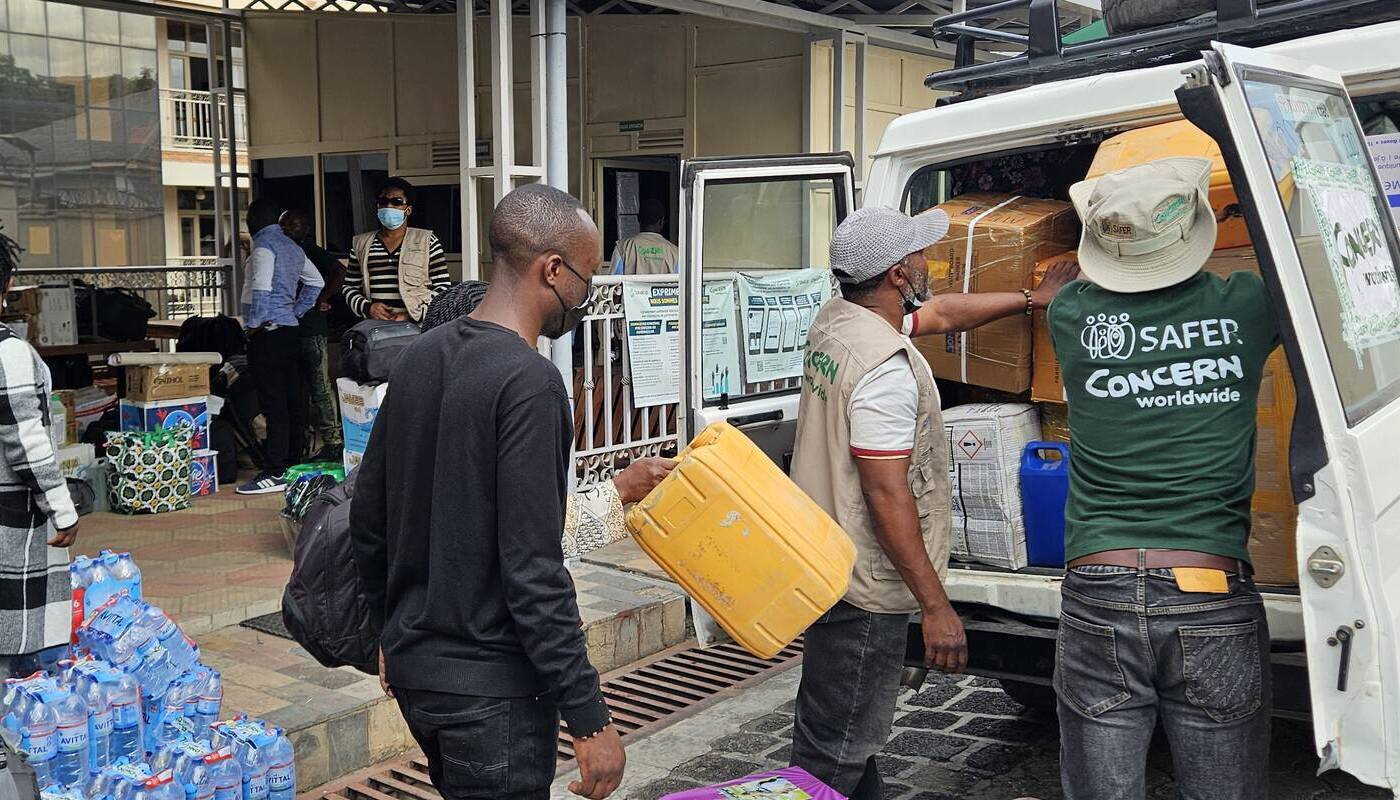
The latest Ebola disease outbreak is caused by the rare Bundibugyo virus, which does not have an approved vaccine or treatment, unlike the Zaire virus responsible for most of the Democratic Republic of the Congo’s past 16 outbreaks of the disease. Picture: Samuel Isenge.
At least 100 people have died from Ebola less than a month after authorities declared an outbreak of the disease in the eastern Democratic Republic of the Congo.
Attacks on health workers from angry residents, scepticism among some locals and armed conflict in hot spots continue to challenge efforts to stop the spread.
Out of the 550 cases of the disease confirmed as of Sunday, there have been 101 deaths and 19 recoveries, according to the latest situation report.
The number of cases is believed to be higher though because the outbreak was confirmed weeks late, and the response has been challenging also because the virus has no approved vaccine or treatment.
The latest Ebola disease outbreak is caused by the rare Bundibugyo virus, which does not have an approved vaccine or treatment, unlike the Zaire virus responsible for most of the Democratic Republic of the Congo’s past 16 outbreaks of the disease.
Read More
The rapid increase in the number of cases is in part due to the scale-up of diagnostic capacities, enabling testing of the backlog of previously collected samples, authorities said.
Frontline health workers, with little pay or rest, have been attacked multiple times by angry residents and have not been able to reach some communities due to conflict involving armed rebel groups.
The eastern Democratic Republic of the Congo has for years seen attacks by dozens of separate rebel and militant groups, some of them with links to foreign countries or to the extremist so-called Islamic State group.
Conflict is “constraining access for the response, disrupting surveillance and response activities, and increasing the risk of undetected transmission”, the World Health Organisation (WHO) said on Monday.
“Such incidents underline the challenges of the context and the importance of working closely with local leaders and communities,” the WHO added.
CONNECT WITH US TODAY



Be the first to know the latest news and updates