ieExplains: What are EU countries doing to counter energy price rises?
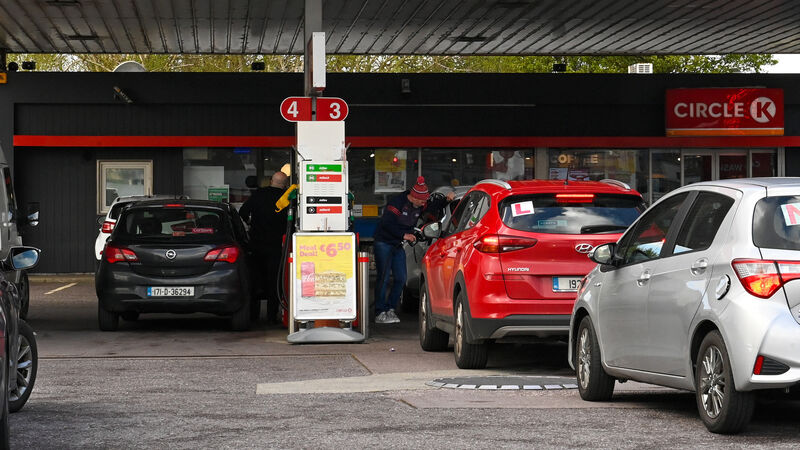
Customers return to the pumps at the Circle K service station in Blackpool. Picture : Noel Sweeney
The European Commission will set out plans on Wednesday to cut electricity taxes as it seeks to reduce the price impact of the Iran war and to coordinate the refilling of countries' gas storage ahead of the increase in heating demand later this year.
Below are some of the measures deployed so far by European Union governments since the disruption caused by the Middle Eastern conflict, which erupted at the end of February, began driving up energy prices.
Ireland will cut excise duty by 15c per litre on petrol and 20c on diesel until the end of May as part of a €250m package that took effect from midnight on Tuesday.
Read More
Berlin decided not to subsidise prices, but to limit volatility by allowing petrol stations to increase prices only once a day at midday (11am Irish time).
They can cut prices at any time. Breaches could be punished with fines of up to €100,000.
France's government has opted for support measures strictly targeted at the sectors most in need, marking a sharp contrast with sweeping energy price caps that badly strained public finances after Russia's 2022 invasion of Ukraine.
It has announced over €70m in fuel subsidies for the transport, farming and fishing industries for April in addition to a €150 benefit for 3.8 million low-income households to help pay energy bills.
The Italian government has set aside some €417.4 to cut excise duties on petrol and diesel until April 7, but prices have changed little and industry lobbies are pushing for more effective steps.
Poland announced on March 26 it would cut fuel taxes, cap pump prices and could pursue a windfall tax on energy companies.
Romania introduced a cap on markups to fuel prices and put a limit on fuel exports for six months. The measures can be extended by three months at a time. The government also approved a 652m lei (€128m) state aid scheme to offset part of the cost of gasoline for road transporters of cargo and passengers until year-end.
The Spanish government proposed measures worth €5bn to counter the economic impact of the Middle East conflict on local energy prices.
The measures, which require approval from parliament, include the reduction of value-added tax on electricity bills to 10%, cutting fuel prices by up to 30c per litre and granting a fuel subsidy of 20c per litre for the farming and transport sectors, which are some of the most exposed to the sharp price spike.
Hungary, ahead of elections on April 12, decided to limit fuel prices to shield private consumers and businesses and release state reserves to ensure supply. The cap applied for vehicles registered in Hungary.


CONNECT WITH US TODAY



Be the first to know the latest news and updates