Man who tried to shoot Donald Trump at Florida golf course jailed for life
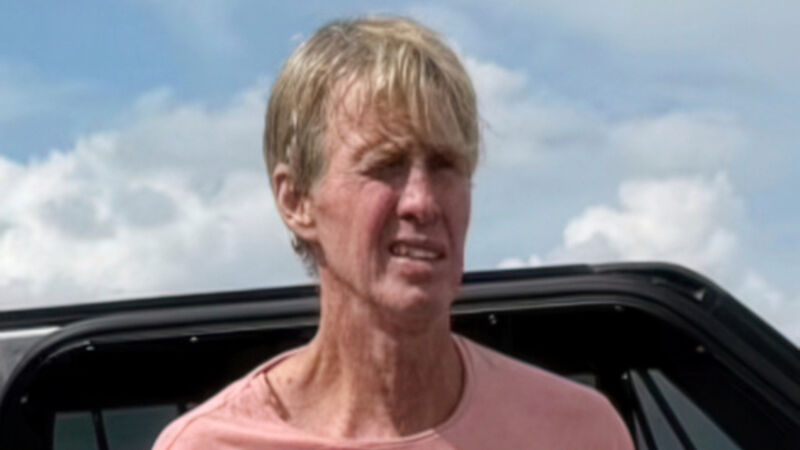
A man convicted of trying to assassinate US President Donald Trump on a Florida golf course in 2024 was sentenced on Wednesday to life in prison.
US District Judge Aileen Cannon pronounced Ryan Routh’s fate in the same Fort Pierce courtroom that erupted into chaos in September when he tried to stab himself shortly after jurors found him guilty on all counts.
Prosecutors had asked for life without parole, saying Routh is unrepentant and has never apologised.
A defence lawyer brought in for his sentencing asked for 27 years, noting that Routh is already turning 60.
Routh also received a consecutive seven-year sentence for one of his gun convictions.
Routh’s sentencing had initially been scheduled for December, but Ms Cannon agreed to move the date back after Routh decided to use a lawyer attorney during the sentencing phase instead of representing himself as he did for most of the trial.
Prosecutors said in a sentencing memorandum that Routh has yet to accept any responsibility and should spend the rest of his life in prison, in accordance with federal sentencing guidelines.

He was convicted of trying to assassinate a major presidential candidate, using a firearm in furtherance of a crime, assaulting a federal officer, possessing a firearm as a felon and using a gun with a defaced serial number.
“Routh remains unrepentant for his crimes, never apologised for the lives he put at risk, and his life demonstrates near-total disregard for law,” the memo said.
Routh’s new defence lawyer, Martin Roth, asked for a variance from sentencing guidelines: 20 years in prison on top of a seven-year, mandatory sentence for one of the gun convictions.
“The defendant is two weeks short of being 60 years old,” Mr Roth wrote in a filing.
“A just punishment would provide a sentence long enough to impose sufficient but not excessive punishment, and to allow defendant to experience freedom again as opposed to dying in prison.”
Prosecutors said Routh spent weeks plotting to kill Mr Trump before aiming a rifle through shrubbery as the Republican presidential candidate played golf on September 15, 2024, at his West Palm Beach country club.
At Routh’s trial, a Secret Service agent helping protect Mr Trump on the golf course testified that he spotted Routh before Mr Trump came into view.
Routh aimed his rifle at the agent, who opened fire, causing Routh to drop his weapon and run away without firing a shot.
In the motion requesting a lawyer, Routh offered to trade his life in a prisoner swap with people unjustly held in other countries, and said an offer still stood for Mr Trump to “take out his frustrations on my face”.
“Just a quarter of an inch further back and we all would not have to deal with all of this mess forwards, but I always fail at everything (par for the course),” Routh wrote.
In her decision granting Routh a lawyer, Ms Cannon chastised the “disrespectful charade” of Routh’s motion, saying it made a mockery of the proceedings.
But the judge, nominated by Mr Trump in 2020, said she wanted to err on the side of legal representation.
Ms Cannon signed off last summer on Routh’s request to represent himself at trial. The US Supreme Court has held that criminal defendants have the right to represent themselves in court proceedings, as long as they can show a judge they are competent to waive their right to be defended by a lawyer.
Routh had multiple previous convictions including possession of stolen goods, and a large online footprint demonstrating his disdain for Mr Trump.
In a self-published book, he encouraged Iran to assassinate him, and at one point wrote that as a Trump voter, he must take part of the blame for electing him.
CONNECT WITH US TODAY



Be the first to know the latest news and updates