ieExplains: What was said at the HSE's World Cancer Day webinar?
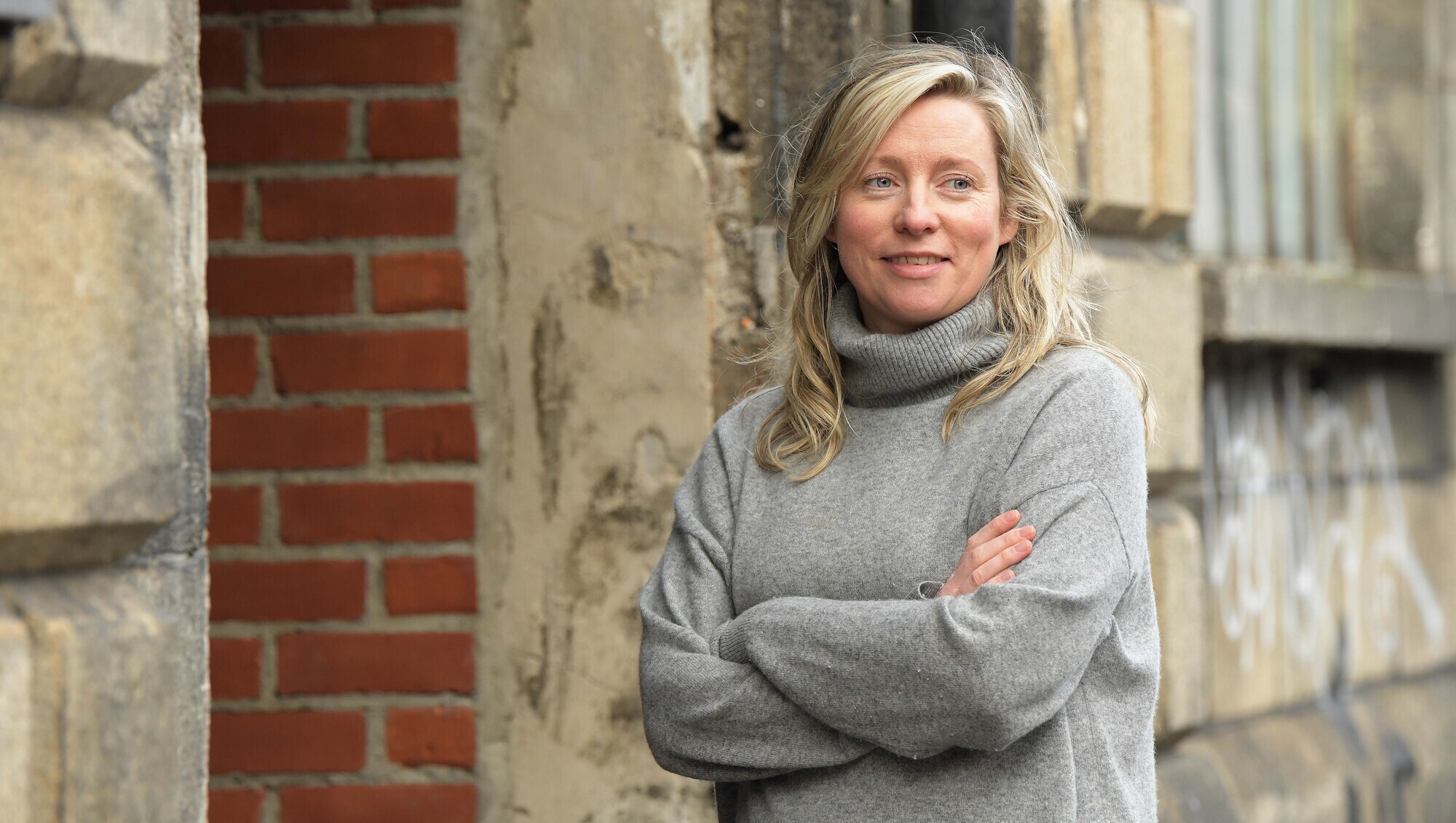
Breeda Neville said we now have 'evidence-based information on how small, realistic lifestyle changes can have a meaningful impact on cancer risk'. Picture: Moya Nolan
Exercise or physical activity can help reduce cancer risks, and every single move counts, a free HSE webinar marking World Cancer Day has heard.
About 30% to 50% of all cancers are preventable through changes to lifestyle and environmental factors, the HSE said.
It advised that there is “strong evidence” regular exercise can help lower the risk of at least seven common cancers, including breast, bowel, womb, and kidney cancer.
Led by Breeda Neville, a consultant in public health with the HSE national cancer control programme, the webinar heard of evidence suggesting physical activity reduces the risk of bowel, breast, and womb cancer.
She said we now have “evidence-based information on how small, realistic lifestyle changes can have a meaningful impact on cancer risk".
It does not mean people who work out will never get cancer, but their risk of developing certain cancers can be reduced.
Cancer is affected by age, genetics, lifestyle, and other factors.
No need to at all. Dr Emer Guinan said it’s key to “find out what works and enjoy it".
She added: "Small steps like walking more, breaking up long periods of sitting, or choosing activities you enjoy at home, work, or in your community can make a real difference."
Many workplaces have programmes encouraging people to get their steps in during the day.
Dr Guinan, an associate professor in cancer rehabilitation and survivorship at Trinity College Dublin, welcomed such programmes.
She advised anyone who has physical ailments or is worried about pain to talk to a physiotherapist or GP before starting a new exercise programme.
Niall Moyna, a professor in clinical exercise physiology at DCU, echoed her comments. His advice is that “every single move counts”.
Moving does not have to mean the oft-quoted target of 10,000 steps a day, he added.
He spoke of how many studies show benefits for very unfit people from walking — even for a few minutes daily. He advised starting with short walks, and to find a friend or work colleague to do it with. This creates an informal social contract and helps with staying motivated.
Yes. Patricia Sheehan spoke about the ExWell community exercise programme.
This supports people with long-term illnesses such as cancers, heart disease, neuromuscular disease, mental ill-health, diabetes, or arthritis. Anyone can be referred in by a GP or other healthcare worker.
It is running nationally, and has groups in Ovens, Carriagaline, and Waterford.
Ms Sheehan, a lecturer at the Department of Sport and Exercise Science in South East Technological University (SETU), said it runs in rural and urban areas.
Ms Neville urged people to start, saying: "Physical activity is one of the most effective and accessible prevention strategies."
A recording will be on the HSE’s national cancer control programme Ireland YouTube channel shortly.
- Niamh Griffin is the Health Correspondent with the
CONNECT WITH US TODAY



Be the first to know the latest news and updates