US moving into next phase of Gaza ceasefire plan, says envoy
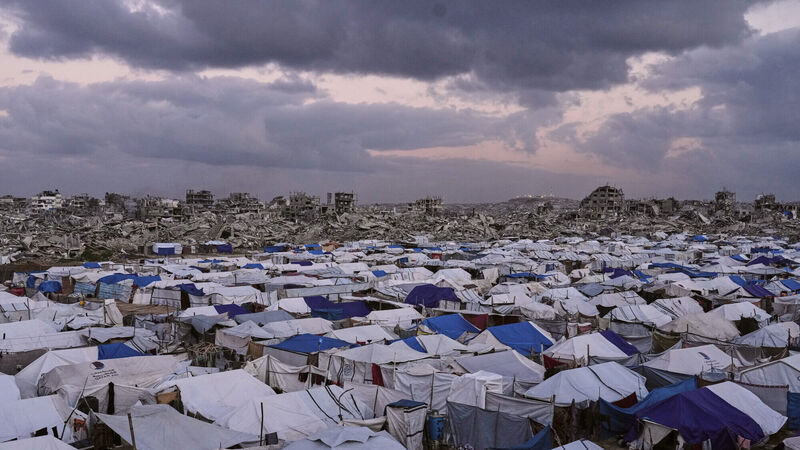
The United States has said it is moving into the next phase of a Gaza ceasefire plan that involves disarming Hamas, rebuilding the war-ravaged territory and establishing the group of Palestinian experts that will administer daily affairs under American supervision.
President Donald Trump’s envoy Steve Witkoff said in a post on X that the ceasefire deal was entering its second phase following two years of war between Israel and Hamas, including the establishment of a technocratic government in Gaza.
But Mr Witkoff did not offer any details about who would serve on the new transitional Palestinian administration that would govern Gaza.
Mr Witkoff said that the US expects Hamas to immediately return the final dead hostage as part of its obligations under the deal.
While Wednesday’s announcement indicates a key step forward, a new government in Gaza and ceasefire face a number of huge challenges — including the deployment of an international security force to supervise the deal and the difficult process of disarming Hamas.
Appointees to a technocratic committee are part of a broader plan to end Hamas’s 18-year rule of Gaza. Their names have not been released but they will run day-to-day affairs in Gaza, under the oversight of a Trump-led “Board of Peace”, whose members have also not yet been named.
The ceasefire reached under Mr Trump’s 20-point plan took effect in October and stopped much of the fighting. Under the first phase of the deal, Hamas released all but one hostage it was holding in exchange for hundreds of Palestinians who were held by Israel.
The technocratic committee that Mr Witkoff said would be established under the second phase will be tasked with providing public services to the more than two million Palestinians in Gaza but it faces towering challenges and unanswered questions, including about its operations and financing.
The United Nations has estimated that reconstruction will cost more than 50 billion dollars. The process is expected to take years, and little money has been pledged so far.
There is also the more immediate challenge of figuring out how to take over basic services after nearly two decades of Hamas-led rule in Gaza and repeated rounds of conflict with Israel.