'Yuck factor' putting people off eating insects to help save the planet, study finds
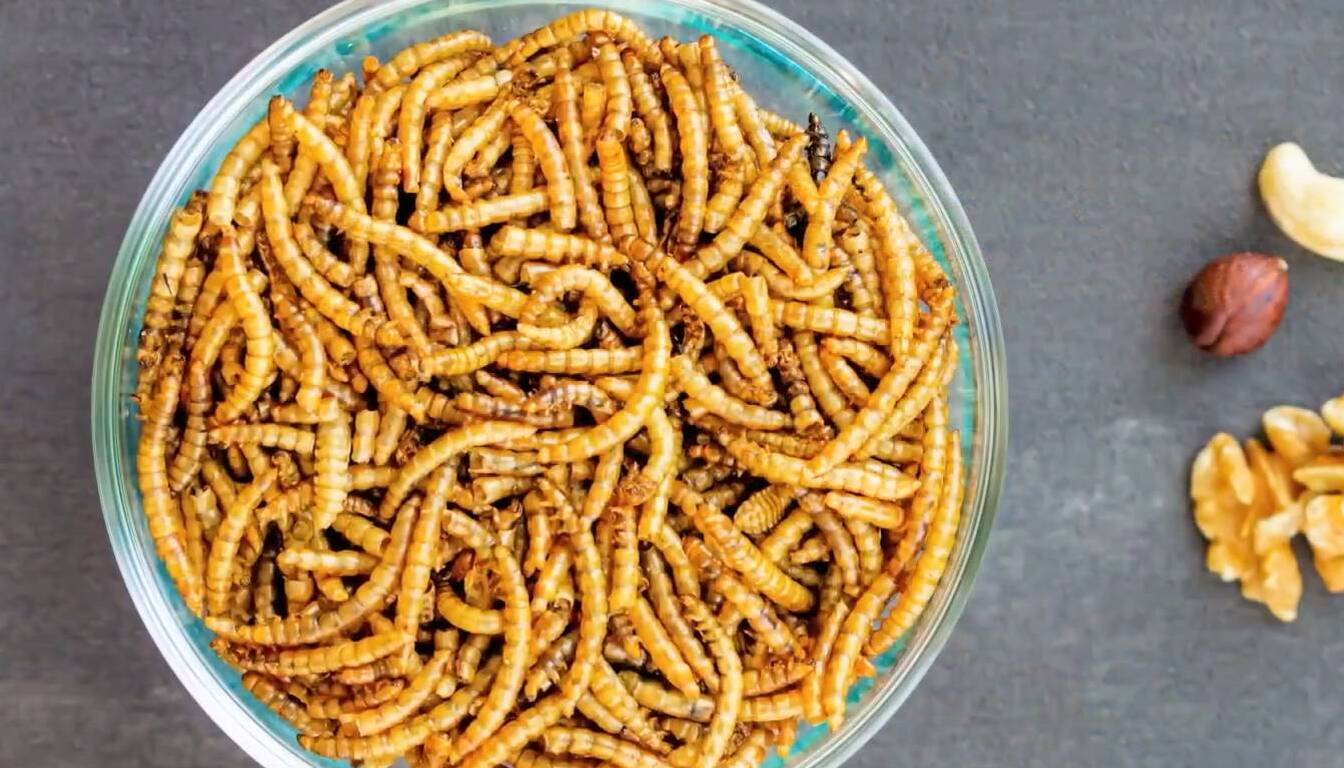
Public polling in the US and Europe has found while as many as 91% of respondents would be willing to try plant-based “alternative meats”, only about 20% would consider eating insects.
Recent efforts to encourage people to eat insects are doomed to fail because of widespread public disgust at the idea, making it unlikely insects will help people switch from the environmentally ruinous habit of meat consumption, a new study has found.
Farming and eating insects has been touted in recent years as a greener alternative to eating traditional meat due to the heavy environmental toll of raising livestock, which is a leading driver of deforestation, responsible for more than half of global water pollution, and may cause more than a third of all greenhouse gases that can be allowed if the world is to avoid disastrous climate change, the new research finds.
Despite this, the much lighter planetary cost of breeding and eating insects such as crickets, grasshoppers and ants is unlikely to be realised because people, particularly in western countries, remain repulsed at the idea of eating them.
Public polling in the US and Europe has found while as many as 91% of respondents would be willing to try plant-based “alternative meats”, only about 20% would consider eating insects.
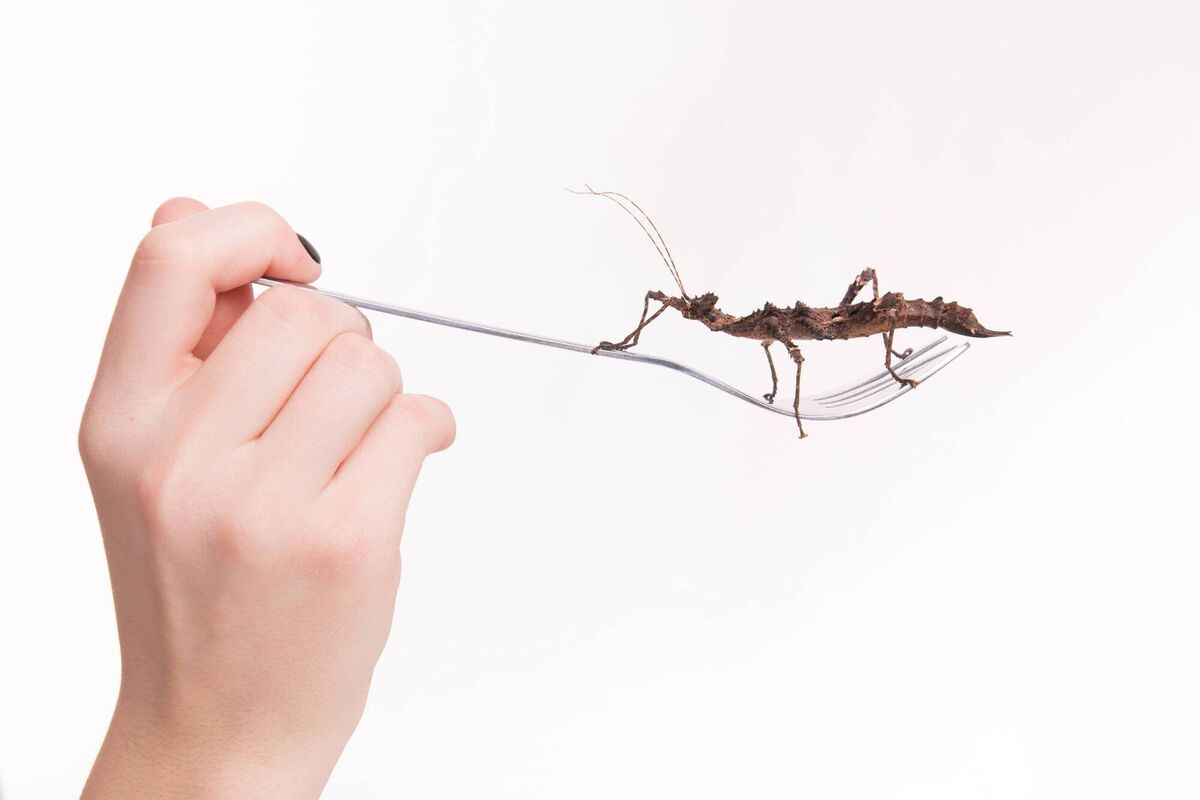
As well as a cultural “yuck” factor, there are also economic barriers, the paper found, with most companies — the exception being a few protein bar start-ups — deciding to focus on raising species such as black soldier flies for animal, rather than human, consumption.
“Given these challenges, it is difficult to see how insect-based foods could significantly replace traditional meat options,” the paper, published in the nature journal , states.
While many people express a desire to eat food that is raised sustainably, relatively few in western countries have embraced vegetarianism and veganism.
Meanwhile, global meat consumption is expected to increase in the coming decades amid rising demand from a newly wealthy cohort in countries such as China, placing additional stresses upon the land, waterways and the climate.
“We have limited resources and we need to devote them to the most promising alternatives,” said Dustin Crummett, the co-author of the study and executive director of the Insect Institute.
Mr Crummett said while some efforts had been made to put insects into items such as snack bars and bread, they are not being made into products that would actually dislodge meat consumption.
Few governments have made any significant moves to curb meat consumption, despite its enormous impact upon the environment, fearing political backlash.
Denmark, however, has provided a possible model of how to do this, unveiling a plan in 2023 to reduce meat-eating and bolster the supply of plant-based foods.
“Plant-based foods are the future,” Jacob Jensen, Denmark’s minister for food, agriculture and fisheries, said at the time.
“If we want to reduce the climate footprint within the agricultural sector, then we all have to eat more plant-based foods.”
Mr Crummett said the Danish plan was a good starting point to craft an alternative to simply hoping people will switch to insects.

CLIMATE & SUSTAINABILITY HUB
CONNECT WITH US TODAY



Be the first to know the latest news and updates