Ukrainian and Russian leaders assess resources as war heads into second winter
Ukraine President Volodymyr Zelensky said he has spoken by phone with US President Joe Biden about Washington’s future support for Kyiv.
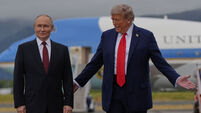
The contact came as Russian President Vladimir Putin visited a military base near the Ukrainian border, as the warring countries laid plans for combat operations over winter and the coming year.
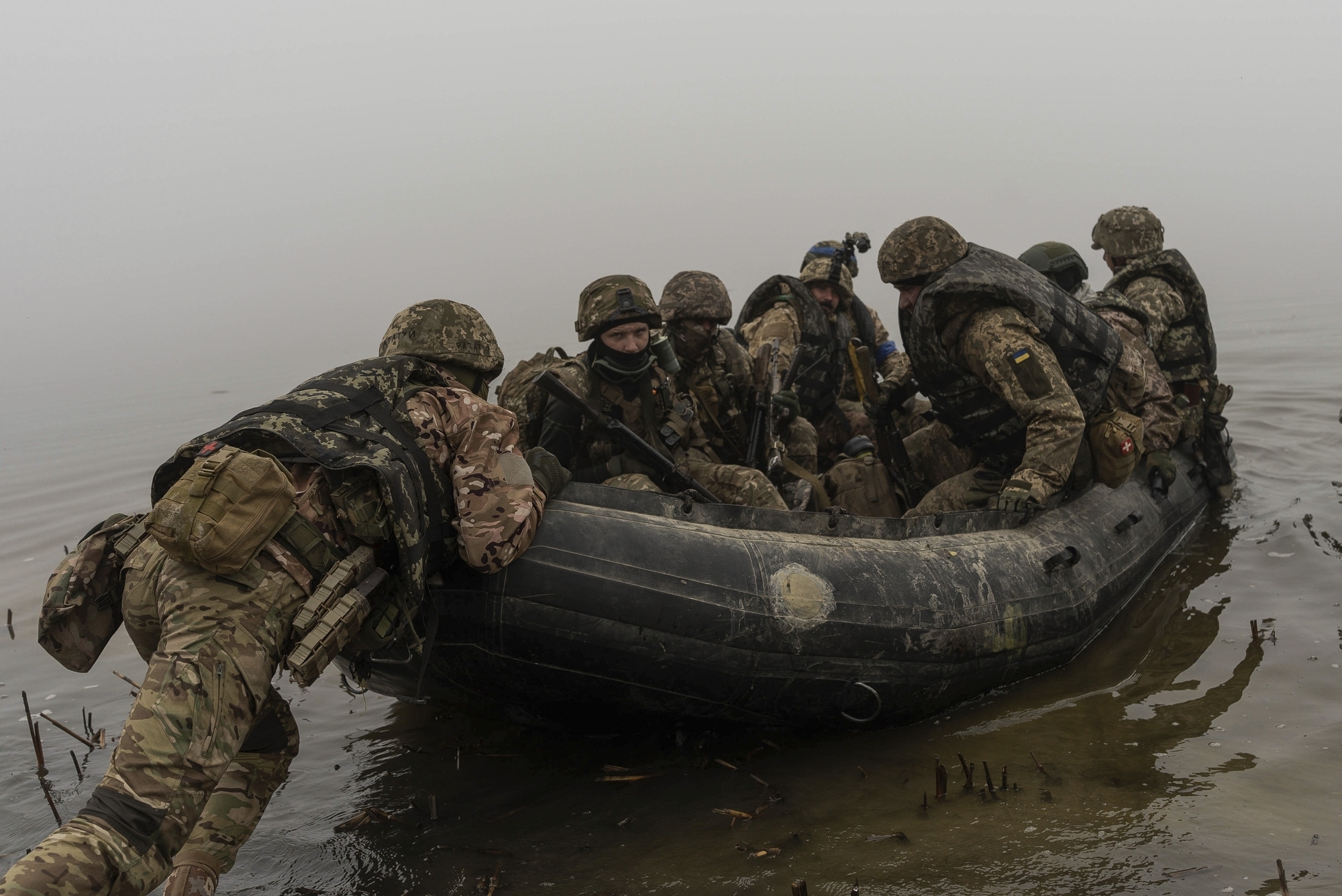
Almost 20 months of war have sapped both sides’ military resources. The fighting is likely to settle into positional and attritional warfare during the approaching wintry weather, analysts say, with little change along the more than 600-mile front line.

Mr Zelensky said late on Thursday he spoke to Mr Biden about “a significant support package” for Ukraine. Western help has been crucial for Ukraine’s war effort.
Meanwhile, Mr Putin visited the headquarters of Russia’s Southern Military District, less than 60 miles from Ukraine’s south-eastern border, where he was briefed on the war by the chief of the General Staff, Valery Gerasimov, the Kremlin said.
With uncertainty over the scale of Kyiv’s future Western aid, and after Ukraine’s five-month counter-offensive sapped Russian reserves but apparently only dented Russian front-line defences, the two sides are scrambling to replenish their stockpiles for 2024.

Ukraine has been expending ammunition at a rate of more than 200,000 rounds per month, according to Jack Watling, a senior research fellow at the Royal United Services Institute think tank in London.
Mr Watling wrote in an assessment: “Sufficient ammunition to sustain this rate of fire is not going to be forthcoming as Nato stockpiles deplete, and production rates for ammunition remain too low to meet this level of demand.”
Meanwhile, Russian production “has turned a corner”, he said. Moscow’s domestic ammunition production is growing quickly, at more than 100 long-range missiles a month compared with 40 a month a year ago, for example, according to Mr Watling.
Also, Russia is reported to be receiving supplies from Iran, North Korea and other countries.
Though Ukraine’s counter-offensive has not made dramatic progress against Russia’s formidable defences, it has suppressed the Kremlin’s forces and Kyiv is looking to keep up the pressure.
That will help stretch Russia’s manpower resources which are already under strain, according to the Institute for the Study of War, a Washington think tank.
It said in its latest assessment that “Russian forces largely lack high-quality reserves and are struggling to generate, train and soundly deploy reserves to effectively plug holes in the front line and pursue offensive operations”.

CONNECT WITH US TODAY



Be the first to know the latest news and updates