Israeli bombings in Gaza kill dozens as efforts persist to get aid to millions in besieged enclave
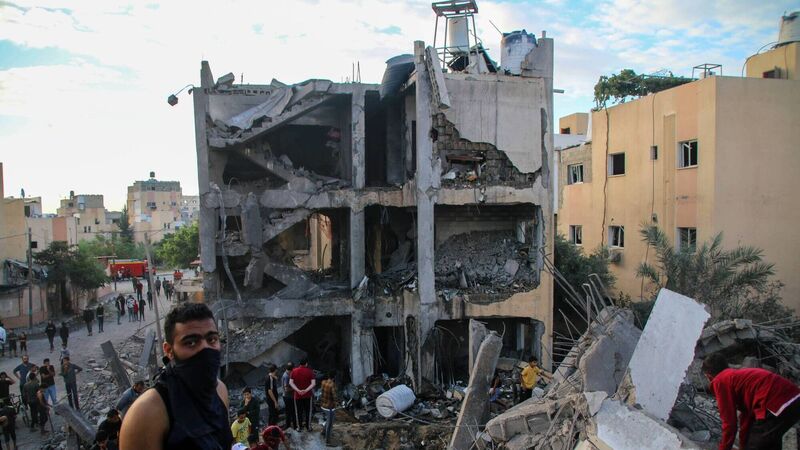
Palestinian emergency services and local citizens search for victims in buildings destroyed during Israeli raids in the southern Gaza Strip on Tuesday in Khan Yunis, Gaza. Picture: Ahmad Hasaballah/Getty Images
Israel on Tuesday bombed areas of southern Gaza where it had told Palestinians to flee to ahead of an expected invasion, killing dozens of people.
Meanwhile, mediators struggled to break a deadlock over delivering aid to millions of increasingly desperate civilians in the territory, which has been besieged and under assault by Israel since a brutal attack by Hamas militants.
Flaring violence along Israel’s border with Lebanon also led to concerns over a widening regional conflict that diplomats were working to prevent.
In Gaza, people wounded in the airstrikes were rushed to the hospital after heavy attacks outside the southern Gaza cities of Rafah and Khan Younis, residents reported. Basem Naim, a senior Hamas official and former health minister, reported that 27 people were killed in Rafah and 30 in Khan Younis.
An Associated Press reporter saw around 50 bodies brought to Nasser Hospital in Khan Younis. Family members came to claim the bodies, wrapped in white bedsheets, some soaked in blood.
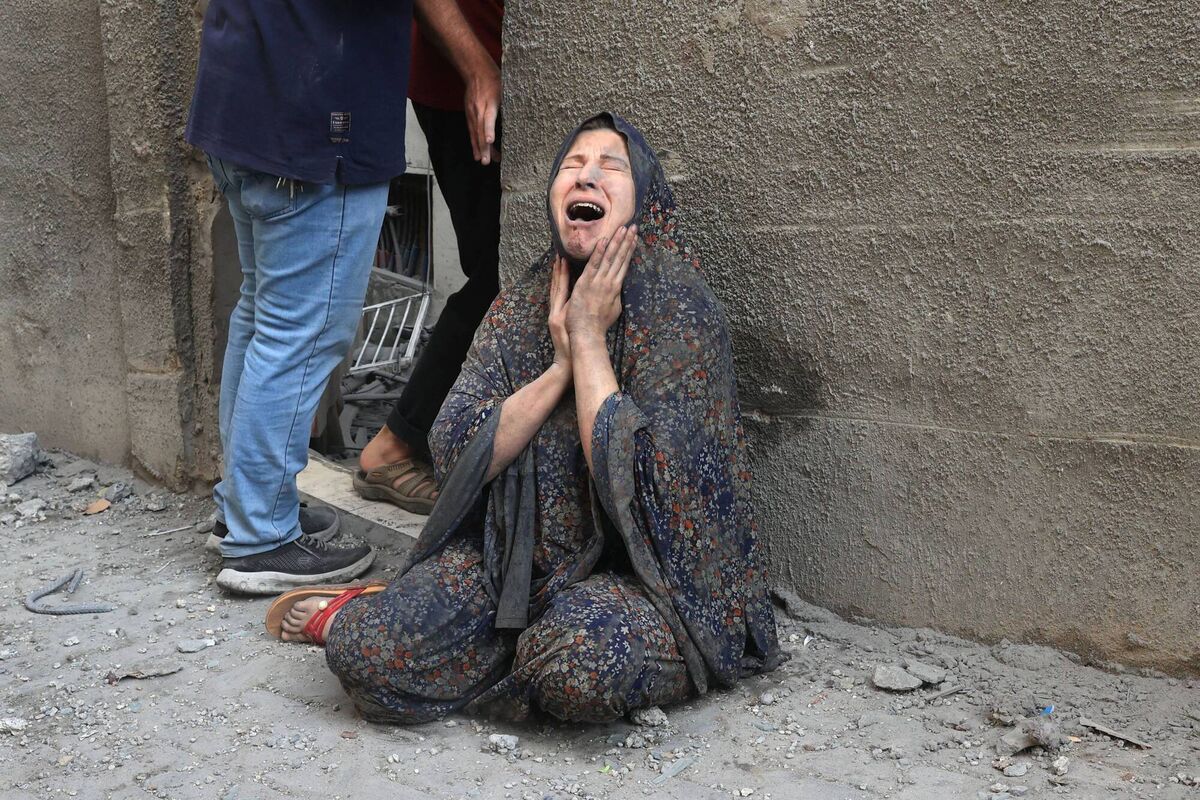
An airstrike in Deir al Balah reduced a house to rubble, killing nine members of the family living there. Three members of another family that had evacuated from Gaza City were killed in a neighbouring home. The dead included one man and 11 women and children. Witnesses said there was no warning before the strike.
The Israeli military said it was targeting Hamas hideouts, infrastructure and command centres.
“When we see a target, when we see something moving that is Hamas, we’ll take care of it. We’ll handle it,” said Lt. Col. Richard Hecht, an Israeli military spokesman.
Israel has sealed off and bombed Hamas-ruled Gaza since the militant attack on southern Israel on October 7 which killed over 1,400 people, mostly civilians, and left about 200 captive in Gaza.
Israeli strikes have killed at least 2,778 people and wounded 9,700 others in Gaza, according to the Health Ministry. Nearly two-thirds of the dead were children, said Medhat Abbas, a Gaza Health Ministry official. The strikes have not stopped Hamas militants from continuing to barrage Israel with rockets launched from Gaza.
Another 1,200 people across Gaza are believed buried under the rubble, alive or dead, health authorities said. Emergency teams struggled to rescue people while cut off from the internet and mobile networks, running out of fuel and exposed to unceasing airstrikes.
On Monday Israeli warplanes struck the headquarters of the Civil Defense in Gaza City, killing seven paramedics. Another 10 medics and doctors have been killed on the job, health authorities said.
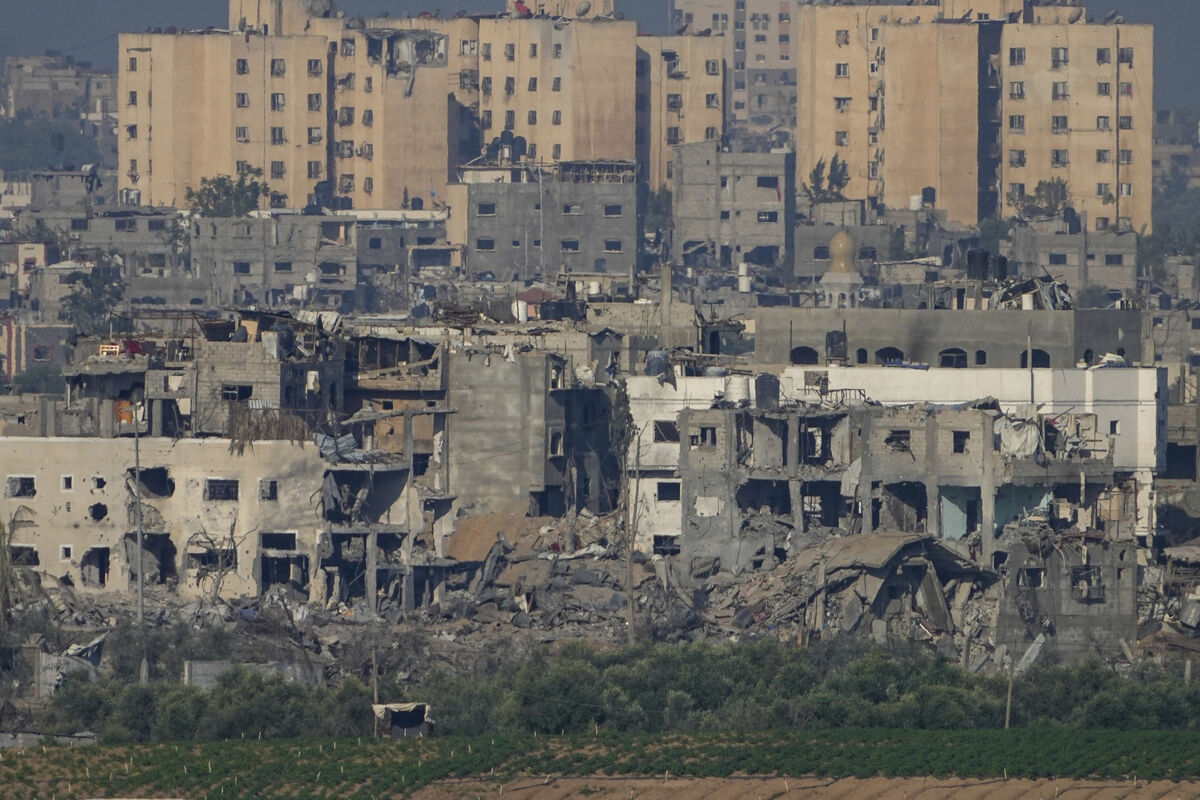
Israel has massed troops at the border for an expected ground offensive, but Hecht said Tuesday no concrete decisions have been made.
“These plans are being developed. They will be decided by, and presented to, our political leadership,’' he said.
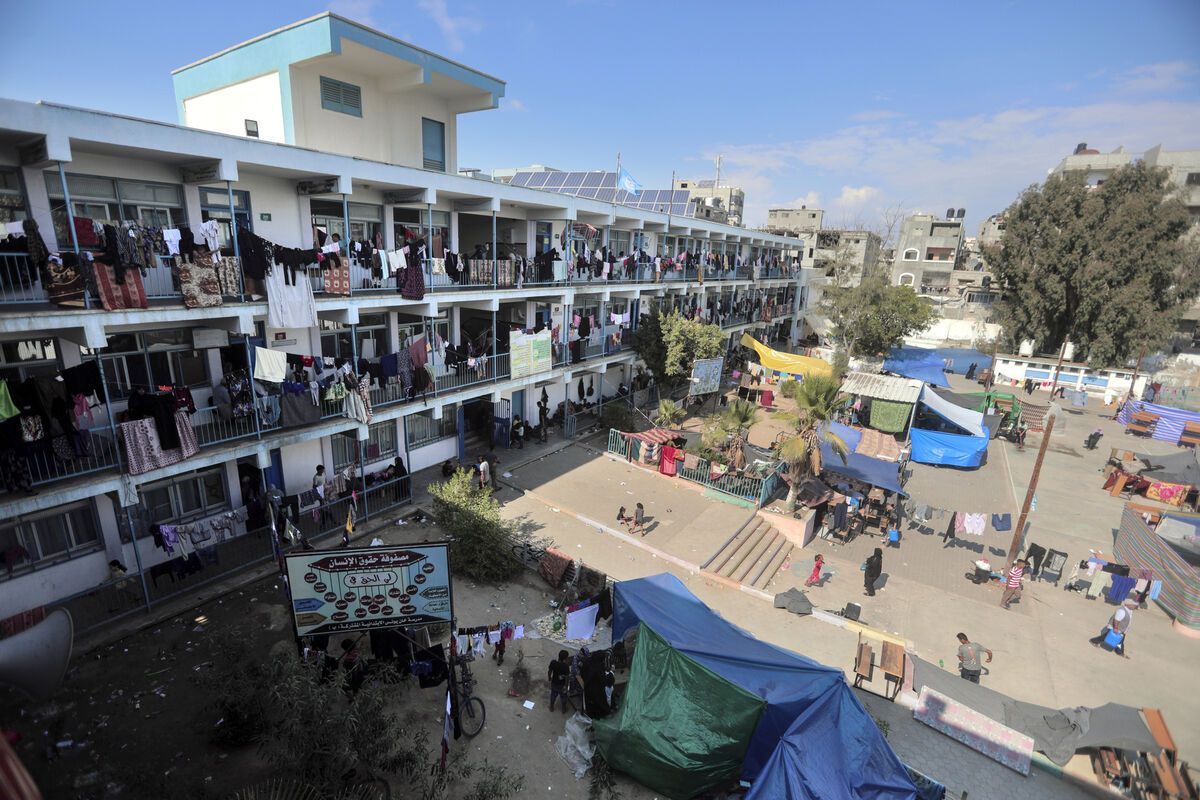
Airstrikes, dwindling supplies, and Israel’s mass evacuation order for the north of the Gaza Strip have thrown the tiny territory’s 2.3 million people into upheaval and desperation.
More than one million Palestinians have fled their homes, and 60% are now in the approximately 14km long area south of the evacuation zone, the UN said.
Aid workers warned that the territory was near complete collapse as hospitals were on the verge of losing electricity, threatening the lives of thousands of patients, and hundreds of thousands of people searched for bread and water.
Some departments in Gaza’s only specialized cancer hospital stopped working because of fuel shortages and the remaining wards will run out within two days, according to a statement from Sobhi Skik, director general of the Turkish Friendship Hospital.
At the Rafah crossing, Gaza’s only connection to Egypt, truckloads of aid were waiting to go into the tiny, densely populated territory, and trapped civilians with foreign citizenship — many of them Palestinians with dual nationalities — were hoping desperately to get out.
Mediators were trying to reach a cease-fire to open the border, which shut down last week after Israeli airstrikes. An agreement appeared to have been reached Monday, but Israel denied reports of a cease-fire in Rafah, which would be needed to open the gates. On Tuesday morning, they were still closed.
An Egyptian official said Tuesday that Egypt and Israel agreed that the aid convoys at the border would travel into Israel for inspection at the Kerem Shalom crossing between Gaza and Israel. The aid would then be allowed into Gaza. A brief humanitarian cease-fire would take place and foreign nationals would be allowed to exit Gaza via Rafah, the official said, speaking on condition of anonymity because he was not allowed to speak with the media.
Both Hamas and Israel cast doubt on an immediate opening.
’’The crossings are closed, and I’m not aware of a truce or stop of hostilities,″ Hecht said.
Wael Abu Omar, Hamas’ spokesman for the Rafah crossing, said: ”Up until now, there is no agreement.”
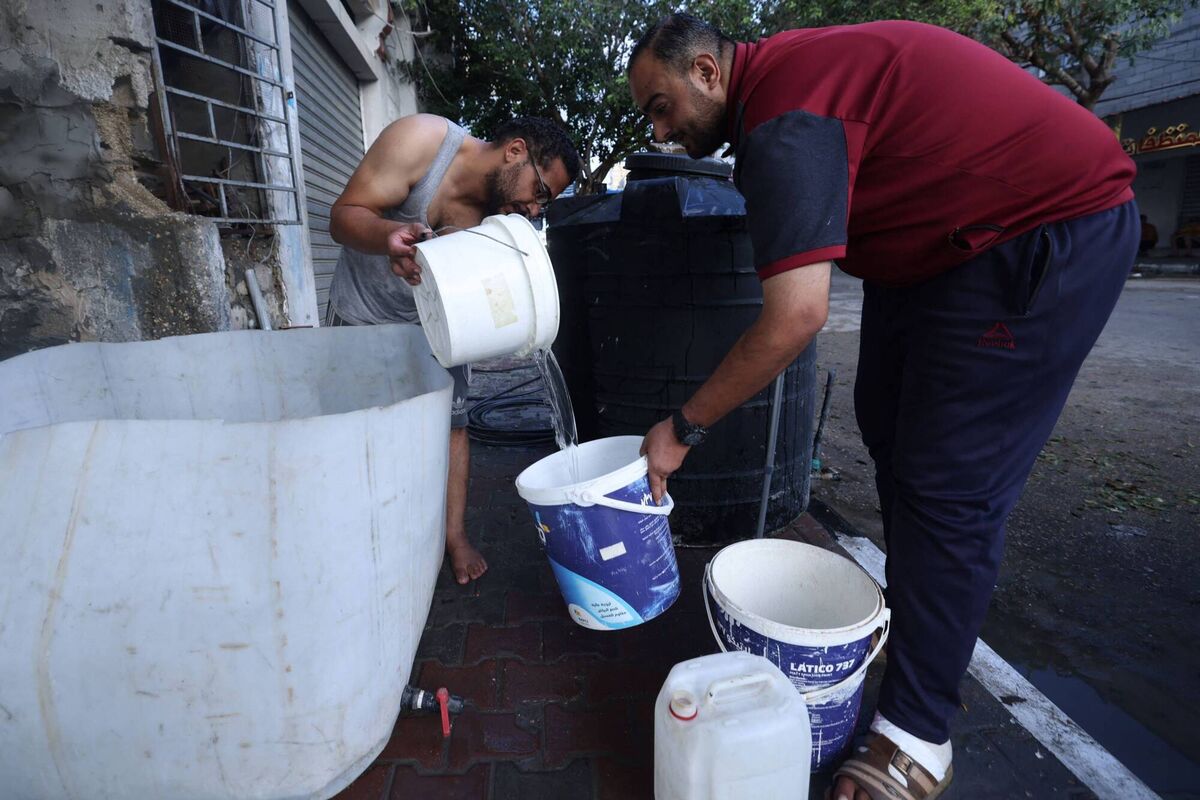
The World Food Program said that it had more than 300 tons of food waiting to cross into Gaza.
’No one is giving up on the hope that this (crossing) would be open,’’ said WFP official Abeer Etefa.
Israel evacuated towns near its northern border with Lebanon, where the military has exchanged fire repeatedly with the Iranian-backed Hezbollah group.
The military said it killed four militants wearing explosive vests who were attempting to cross into the country from Lebanon on Tuesday morning. Video from a reconnaissance drone the army shared showed the militants near the border wall before they were targeted, causing an explosion. No group immediately claimed responsibility.
“Whoever approaches the border with Lebanon will be killed,” said Israeli military spokesman Rear Adm. Daniel Hagari.
Israel has warned Lebanon it will strongly retaliate against attacks from across the border.
Israel fought a vicious monthlong war with Hezbollah in 2006 that ended in a stalemate and a tense detente between the two sides.
Iran’s Supreme Leader Ayatollah Ali Khamenei warned that Israel’s continuing offensive in Gaza could cause a violent reaction across the region.
“Bombardments should be immediately stopped. Muslim nations are angry,” Khamenei said, according to state media.
CONNECT WITH US TODAY



Be the first to know the latest news and updates