Gang behind slaughter of 41 women at Honduran prison, officials say
Inmates had complained for weeks they were being threatened by gang members at a womenâs prison in Honduras before 41 of them were killed in a riot, family members said.
Many of the victims had been burned, shot or stabbed to death in the rampage at the prison in the town of Tamara, about 30 miles north-west of Hondurasâ capital Tegucigalpa.
President Xiomara Castro said Tuesdayâs riot was âplanned by maras (street gangs) with the knowledge and acquiescence of security authoritiesâ.
Ms Castro pledged to take âdrastic measuresâ, but did not explain how inmates identified as members of the Barrio 18 gang were able to get guns and machetes into the prison, or move freely into an adjoining cell block and slaughter all the prisoners there.
Video clips presented by the government from inside the prison showed several pistols and a heap of machetes and other bladed weapons that were found after the riot.
Sandra Rodriguez Vargas, the assistant commissioner for Hondurasâ prison system, said the attackers âremovedâ guards at the facility â none appeared to have been injured â at around 8am on Tuesday and then opened the gates to an adjoining cell block and began massacring the women there.
They also started a fire that left cell walls blackened and bunks reduced to twisted heaps of metal.
Twenty-six of the victims were burned to death and the remainder were shot or stabbed, said Yuri Mora, the spokesman for Hondurasâ national police investigation agency. At least seven inmates are being treated at a Tegucigalpa hospital.
The riot appears to be the deadliest at a female detention centre in Central America since 2017, when girls at a shelter for troubled youths in Guatemala set fire to mattresses to protest against rapes and other mistreatment at the overcrowded institution. The smoke and fire killed 41 girls.
The worst prison disaster in a century also occurred in Honduras, in 2012, at the Comayagua penitentiary, where 361 inmates died in a fire possibly caused by a match, cigarette or some other open flame.
There were ample warnings ahead of Tuesdayâs tragedy, according to Johanna Paola Soriano Euceda, who was waiting outside the mortuary in Tegucigalpa for news about her mother, Maribel Euceda, and sister, Karla Soriano. Both were on trial for drug trafficking but were held in the same area as convicted prisoners.
Soriano Euceda said they had told her on Sunday that âthey (Barrio 18 members) were out of control, they were fighting with them all the time. That was the last time we talkedâ.
Another woman, who did not want to give her name for fear of reprisals, said she was waiting for news about a friend, Alejandra Martinez, 26, who was been held in the ill-fated Cell Block One on robbery charges.
âShe told me the last time I saw her on Sunday that the (Barrio) 18 people had threatened them, that they were going to kill them if they didnât turn over a relative,â the woman said.
Gangs sometimes demand victims âturn overâ a friend or relative by giving the gang their name, address and description, so that enforcers can later find and kidnap, rob or kill them.
Officials described the killings as a âterrorist actâ, but also acknowledged that gangs essentially had ruled some parts of the prison.
Julissa Villanueva, head of the prison system, suggested the riot started because of recent attempts by authorities to crack down on illicit activity inside prison walls, and called Tuesdayâs violence a reaction to moves âwe are taking against organised crimeâ.
âWe will not back down,â Ms Villanueva said in a televised address after the riot.
Gangs wield broad control inside the countryâs prisons, where inmates often set their own rules and sell prohibited goods.
They were also apparently able to smuggle in guns and other weapons, a recurring problem in Honduran prisons.
âThe issue is to prevent people from smuggling in drugs, grenades and firearms,â said Honduran human rights expert Joaquin Mejia. âTodayâs events show that they have not been able to do that.â
Meanwhile, the grim task continued of trying to identify the bodies, some terribly burned.
âThe forensic teams that are removing bodies confirm they have counted 41,â said Ms Mora.
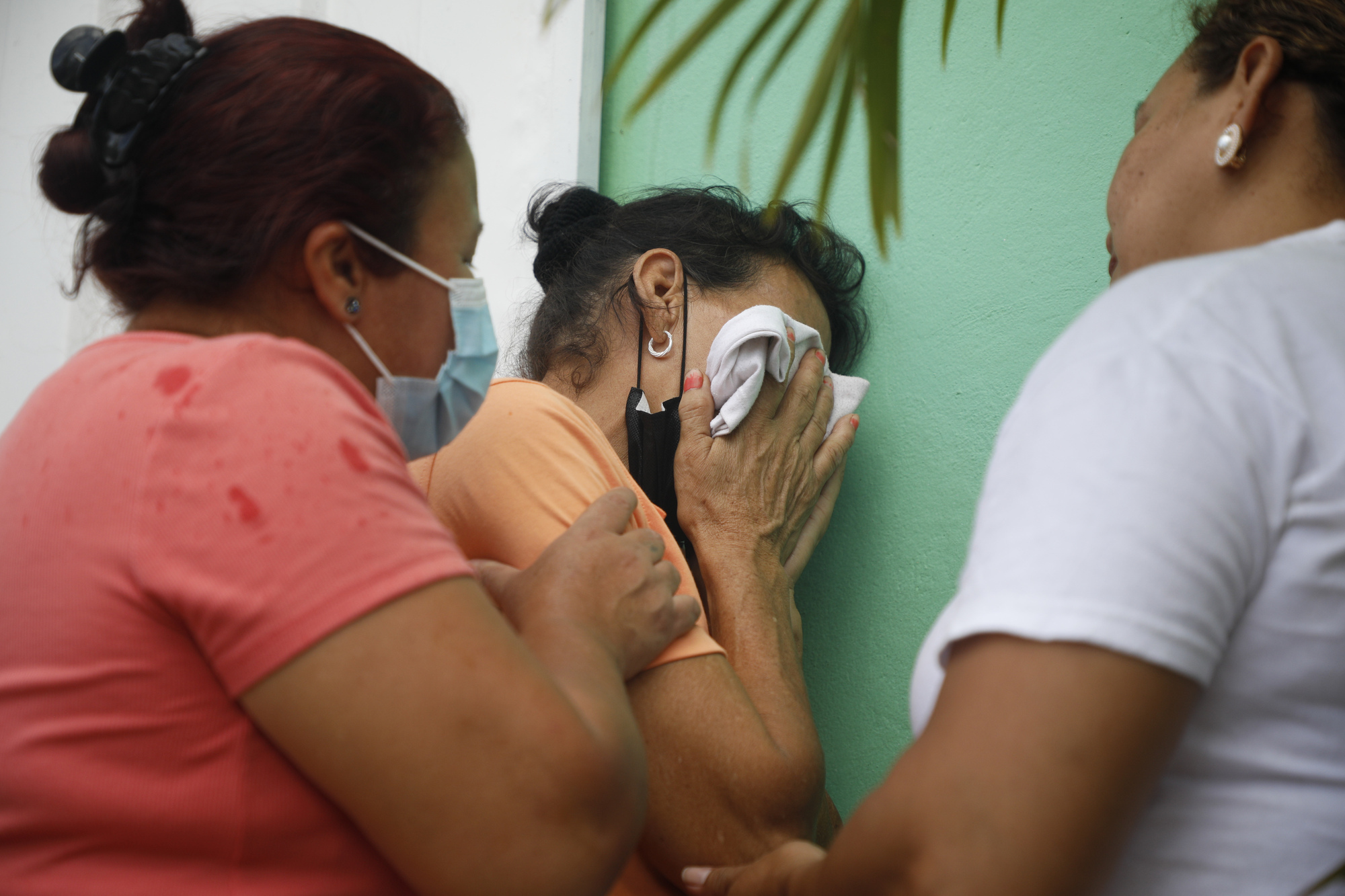
The wait for news was torture for many families of inmates. Dozens of anxious, angry relatives gathered outside the rural prison.
âWe are here dying of anguish, of pain ⊠we donât have any information,â said Salomon Garcia, whose daughter is an inmate at the facility.
Tuesdayâs riot may increase the pressure on Honduras to emulate the drastic zero-tolerance, no-privileges prisons set in up in neighbouring El Salvador by President Nayib Bukele.
While El Salvadorâs crackdown has given rise to rights violations, it has also proved immensely popular in a country long terrorised by street gangs.