More civilians trapped in Mariupol steel plant to be evacuated
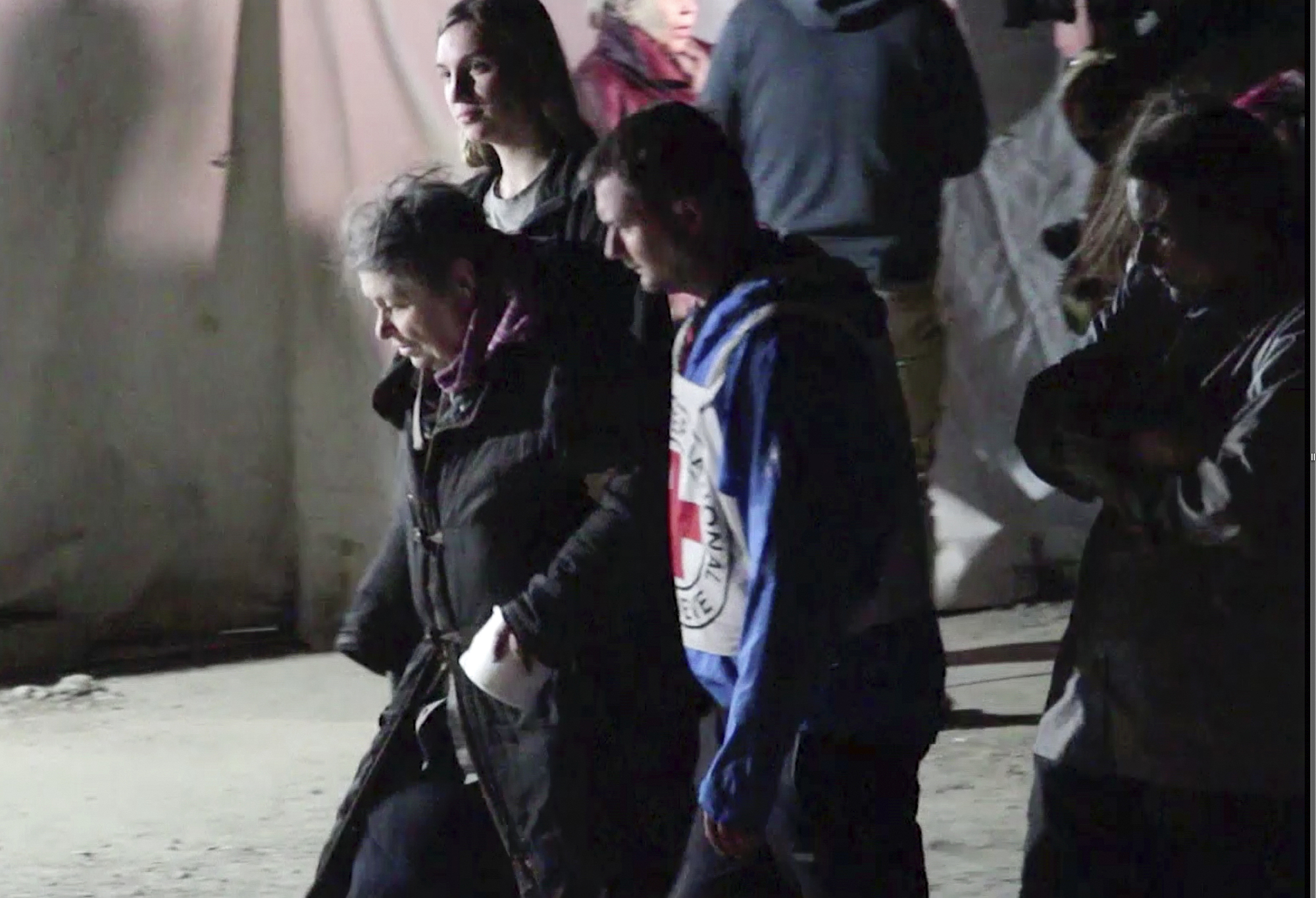
Ukrainian President Volodymyr Zelenskyy has confirmed that an evacuation is underway of civilians at a steel plant in the bombed-out city of Mariupol. (AP Photo)
Humanitarian organisations worked to evacuate more civilians from the devastated Ukrainian port city of Mariupol on Monday but hundreds of people remained trapped in the Azovstal steel works, the last stronghold of resistance to the Russian siege.
The first group of evacuees was due to arrive in a Ukrainian-held town northwest of Mariupol on Monday morning. But Russian forces had resumed shelling the steel works on Sunday as soon as the buses had left the plant, a city official said on Monday.
"Yesterday, as soon as the buses left Azovstal with the evacuees, new shelling began immediately," Petro Andryushchenko told Ukrainian television.
People still stuck there were running out of water, food and medicine as Russian forces hemmed them into the industrial complex, whose network of bunkers and tunnels has provided shelter from weeks of Russian bombardment.
"The situation has become a sign of a real humanitarian catastrophe," Ukrainian Deputy Prime Minister Iryna Vereshchuk said.
After nearly two months of siege, civilians holed up at a steel plant in the Ukrainian city of Mariupol began to be evacuated over the weekend.
Video posted online on Sunday by Ukrainian forces showed elderly women and mothers with small children climbing over a steep pile of debris out of the sprawling Azovstal steel plant’s rubble and eventually boarding a bus.
More than 100 civilians were expected to arrive in the Ukrainian-controlled city of Zaporizhzhia on Monday, Ukrainian President Volodymyr Zelenskyy said on Sunday.
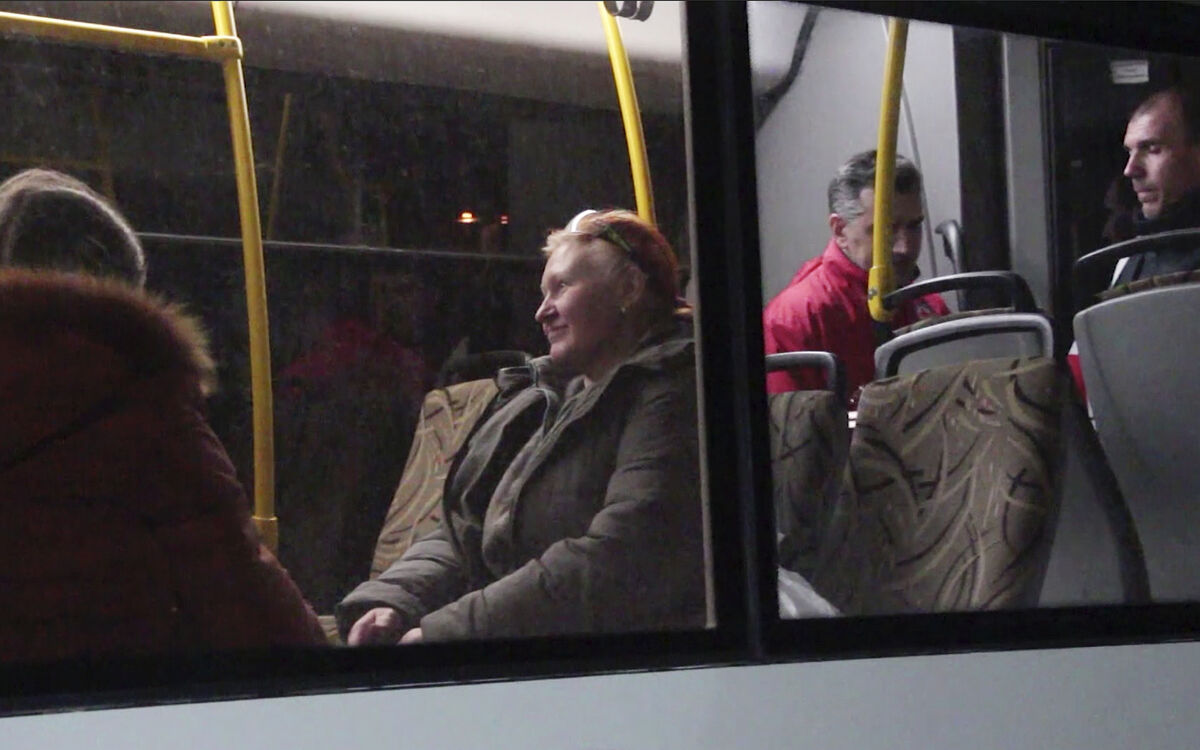
“Today, for the first time in all the days of the war, this vitally needed (humanitarian) corridor has started working,” Mr Zelenskyy said in a pre-recorded address published on his Telegram messaging channel.
There were worries about the safety of evacuees. People fleeing Russian-occupied areas in the past have described their vehicles being fired on, and Ukrainian officials have repeatedly accused Russian forces of shelling agreed-upon evacuation routes.
A Ukrainian defender of the steel plant urged groups like the UN and the Red Cross to ensure the safety of those being evacuated.
Sviatoslav Palamar, deputy commander of the Azov Regiment, told the Associated Press in an interview that there should be guarantees from “a third party – politicians, world leaders – who will cooperate to negotiate with Russians to extract us from here”.
Another of the plant’s defenders said Russian forces resumed shelling the plant on Sunday as soon as the evacuation of a group of civilians was completed.

Denys Shlega, commander of the 12th Operational Brigade of Ukraine’s National Guard, said in a televised interview on Sunday night that several hundred civilians remain trapped alongside nearly 500 wounded soldiers and “numerous” dead bodies.
“Several dozen small children are still in the bunkers underneath the plant,” Mr Shlega said.
As many as 100,000 people may still be in Mariupol, including an estimated 2,000 Ukrainian fighters beneath the sprawling, Soviet-era steel plant — the only part of the city not occupied by the Russians.
Mariupol, a port city on the Sea of Azov, has seen some of the worst suffering.
The city is a key target because of its strategic location near the Crimean Peninsula, which Russia seized from Ukraine in 2014.
Mr Palamar, the Ukrainian commander, told AP on Sunday that it has been difficult even to reach some of the wounded in the steel plant.
“There’s rubble. We have no special equipment. It’s hard for soldiers to pick up slabs weighing tons only with their arms,” he said. “We hear voices of people who are still alive (inside shattered buildings).”

UN humanitarian spokesman Saviano Abreu said civilians arriving in Zaporizhzhia, about 140 miles northwest of Mariupol, would receive immediate humanitarian support, including psychological services. A Doctors Without Borders team was at a reception centre for displaced people in Zaporizhzhia, in preparation for the UN convoy’s arrival.
In his nightly address on Sunday, Mr Zelenskyy accused Moscow of waging “a war of extermination”, saying Russian shelling had hit food, grain and fertiliser warehouses, and residential neighbourhoods in the Kharkiv, Donbas and other regions.
He also said more than 350,000 people have been evacuated during the war from combat zones thanks to humanitarian corridors pre-agreed with Moscow.
“The organisation of humanitarian corridors is one of the elements of the negotiation process which is ongoing,” he said.

CONNECT WITH US TODAY



Be the first to know the latest news and updates