Ukraine: What happened today, Tuesday, April 26
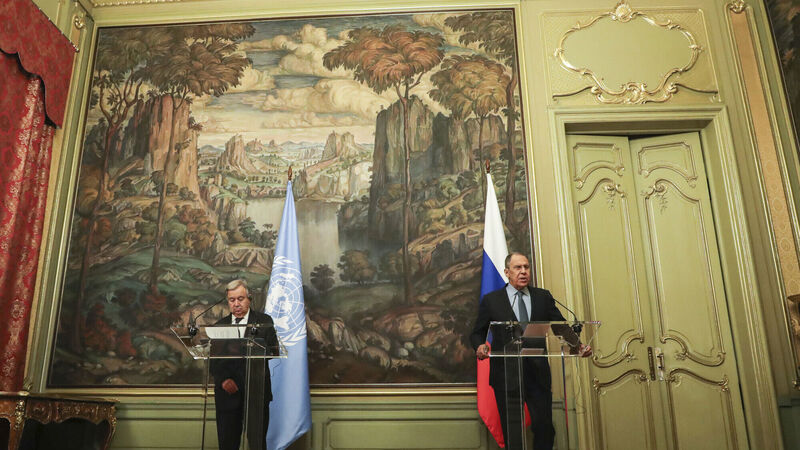
Russian Foreign Minister Sergey Lavrov, right, and UN Secretary-General Antonio Guterres attend a news conference during their meeting in Moscow, Russia. Picture: Maxim Shipenkov/Pool Photo via AP
Russia’s President Vladimir Putin says Moscow still hopes to negotiate a peaceful settlement with Ukraine, even as the fighting has continued.
Speaking at a Kremlin meeting Tuesday with UN Secretary-General António Guterres, Putin noted that Russian and Ukrainian negotiators made what he described as a “serious breakthrough” in their talks in Istanbul, Turkey, last month.
He claimed, however, that the Ukrainian side later walked back on some of the tentative agreements reached in Istanbul.
In particular, Putin said Ukrainian negotiators have changed their position on the issue of the status of Crimea and separatist territories in eastern Ukraine, offering to leave it for the countries’ presidents to discuss.
Putin charged that the shift in the Ukrainian stand makes it hard to negotiate a future deal.
Putin has demanded that Ukraine recognize Russia’s sovereignty over Crimea and recognize independence of separatist regions in eastern Ukraine as part of a future agreement on ending the hostilities.
Ukrainian President Volodymyr Zelenskyy said that those issues could only be decided by a future nationwide vote.
During Tuesday’s Kremlin meeting, Guterres criticized Russia’s military action in Ukraine as a flagrant violation of its neighbor’s territorial integrity.
He also urged Russia to allow the evacuation of civilians trapped at a giant steel mill in Mariupol surrounded by the Russian forces.
Putin responded by claiming that the Russian forces have offered humanitarian corridors to civilians holed up at the Azovstal steel plant, charging that the Ukrainian defenders of the plant were using civilians as shields and not allowing them to leave.
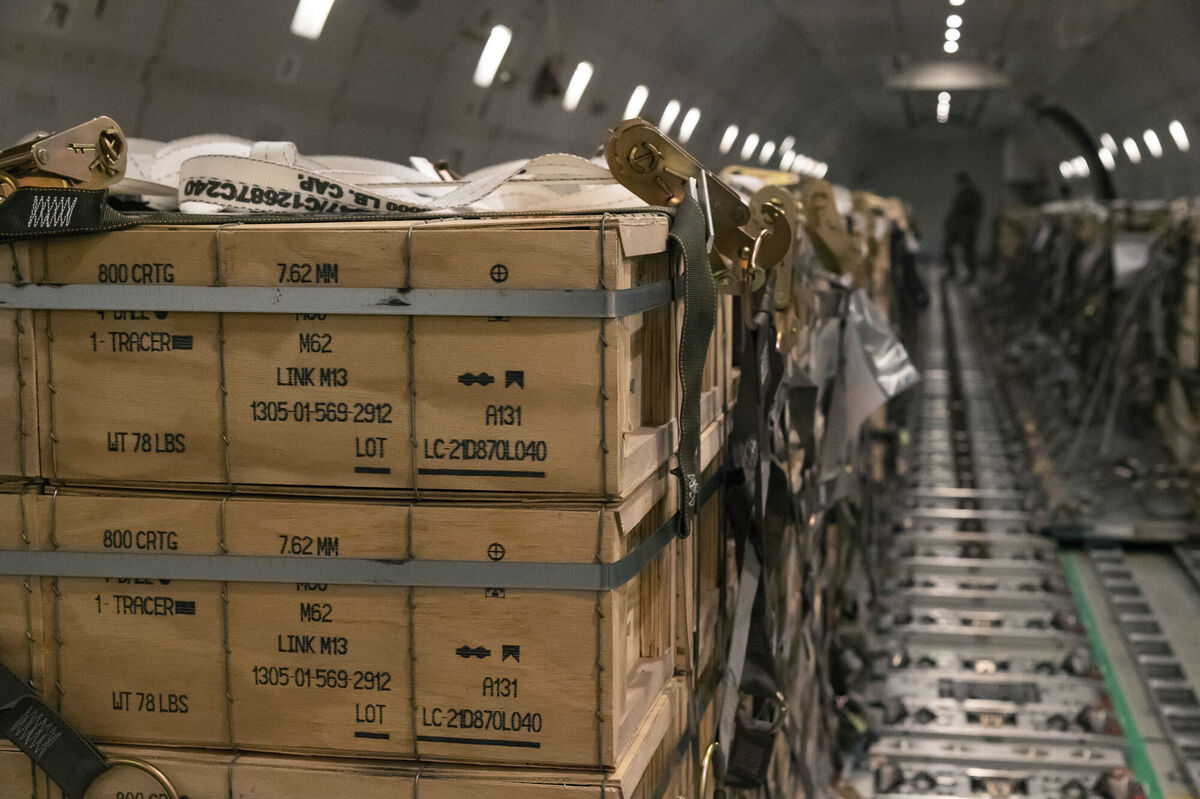
The US and its allies pledged new packages of ever heavier weapons for Ukraine during a meeting on Tuesday at a German air base, brushing off a threat from Moscow that their support for Kyiv could lead to nuclear war.
US officials have switched emphasis this week from speaking mainly about helping Ukraine defend itself to bolder talk of a Ukrainian victory that would weaken Russia's ability to threaten its neighbours.
Meanwhile, the powerful secretary of Russia's Security Council said Western and Ukrainian government policy was leading to the breakup of Ukraine, and he accused Washington of seeking to instill in Ukrainians hatred for everything Russian.
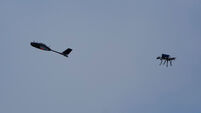
NATO allies have lately approved shipments of hundreds of millions of dollars in arms, including artillery and drones they held back from sending in earlier phases of the war, and want their allies to do the same.
Washington also estimates that many Russian units are depleted, with some operating with personnel losses as high as 30% - a level considered by the US military to be too high to keep fighting indefinitely.
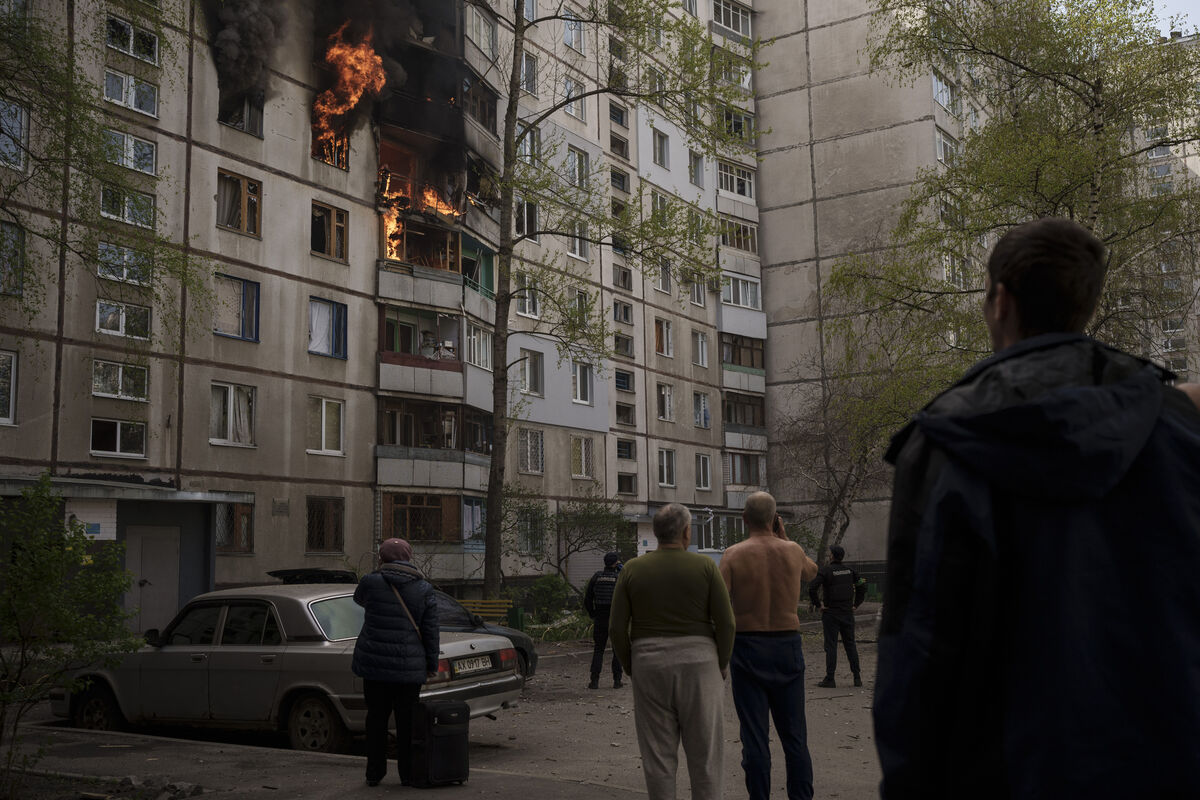
Moldova's president said a series of attacks in the Russia-backed breakaway region of Transdniestria on Tuesday were an attempt by factions within the territory to increase tensions, and the Kremlin voiced serious concern.
She spoke after Moldova's Security Council held an urgent meeting prompted by two blasts which damaged masts that broadcast Russian radio in the region, where authorities said a military unit was also targeted.
The Moldovan authorities are sensitive to any sign of worsening security in Transdniestria, an unrecognised Moscow-backed sliver of land bordering southwestern Ukraine, especially since Russia invaded Ukraine.
"From the information we have at this moment, these escalation attempts stem from factions from within the Transdniestrian region who are pro-war forces and interested in destabilising the situation in the region," President Maia Saudu told a news conference.
She said the security council had recommended improving the combat readiness of security forces, increasing the number of patrols and checks near Moldova's border with Transdniestria, and monitoring critical infrastructure more closely.
Russia has had troops permanently based in Transdniestria since the collapse of the Soviet Union.
Kyiv fears the region could be used as a launch pad for new attacks on Ukraine.
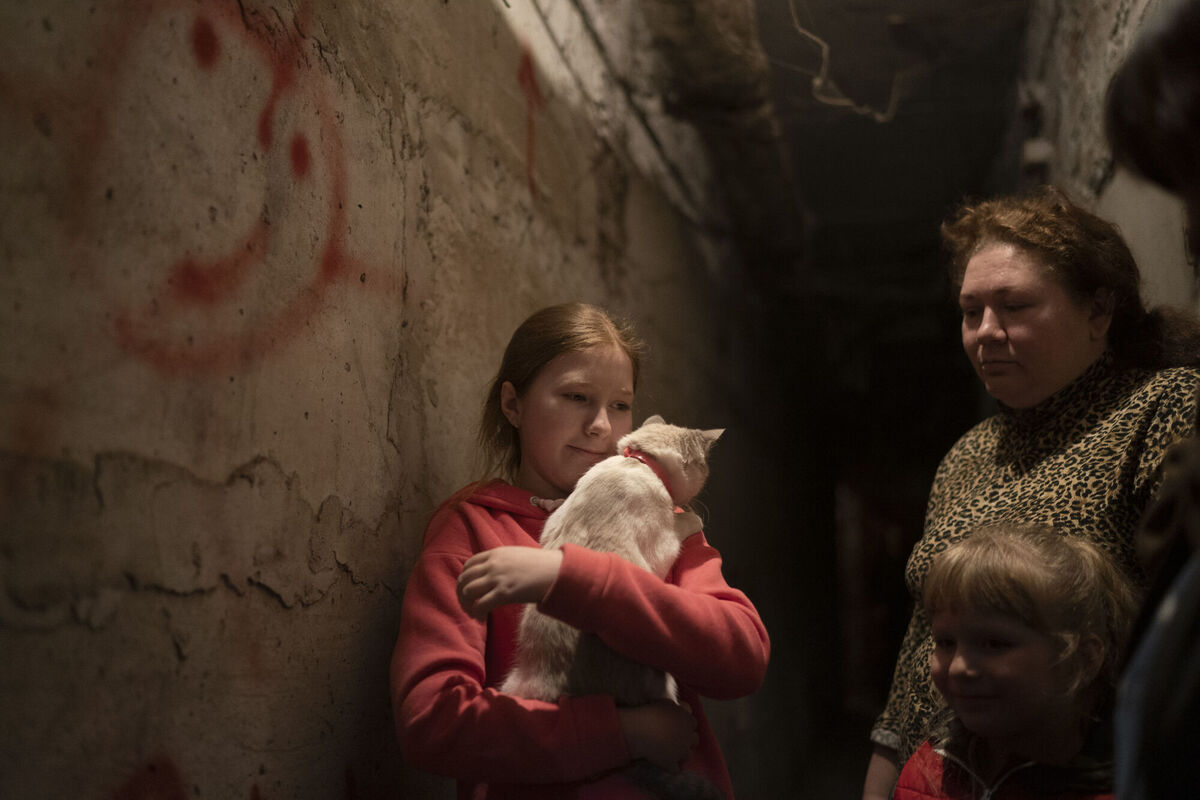
The UN refugee agency (UNHCR) is expecting some 8.3 million people to flee Ukraine this year, revising up its previous projection, a spokesperson said on Tuesday.
More than 12.7 million people have fled their homes in the past two months, including 7.7 million people displaced internally and more than 5 million who have fled over borders, UNHCR spokesperson Shabia Mantoo told a UN news briefing.
UNHCR had previously planned for some 4 million refugees in the immediate aftermath of Russia's invasion of Ukraine on February 24 but this was surpassed last month.
"The scale of the crisis, definitely the rapidity of people fleeing, we have not seen in recent times," Mantoo told the briefing.
Syria remains the biggest current refugee crisis in the world, with 6.8 million people having fled, she added.


CONNECT WITH US TODAY



Be the first to know the latest news and updates