Russia responsible for 2006 killing of Alexander Litvinenko, European court rules
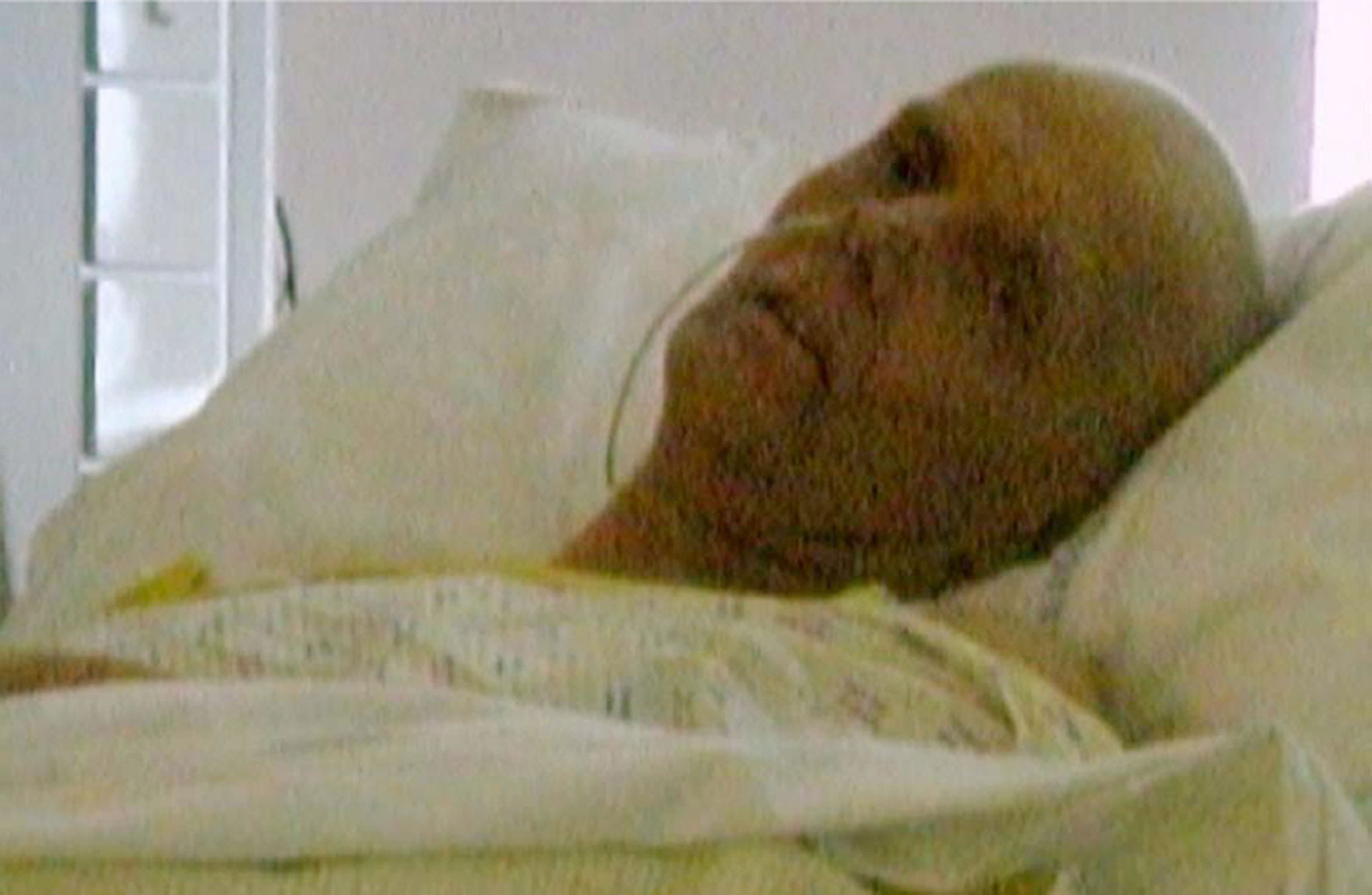
The last photo taken of poisoned spy Alexander Litvinenko alive. Picture: Litvinenko Inquiry/PA
Russia was responsible for the assassination of Alexander Litvinenko, the European Court of Human Rights (ECHR) has ruled.
Former Russian spy Mr Litvinenko died after being poisoned with a rare radioactive substance in London in 2006.
A statement on the court’s ruling on Tuesday said: “Russia was responsible for assassination of Aleksandr Litvinenko in the UK.”
Russia has always denied any involvement in his death.
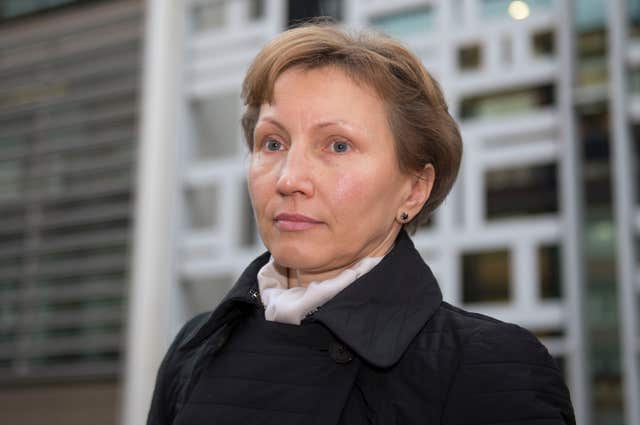
The case was brought by his widow Marina Litvinenko, who had vowed to get justice for her husband and pursue the Kremlin through the international courts.
A public inquiry concluded in 2016 that the killing of Mr Litvinenko – an outspoken critic of Vladimir Putin – who died after drinking tea laced with radioactive polonium-210 – had “probably” been carried out with the approval of the Russian president.
Headed by the former high court judge Robert Owen, the inquiry found two Russian men – Andrei Lugovoi and Dmitri Kovtun – had deliberately poisoned Mr Litvinenko by putting polonium-210 into his drink at a London hotel, leading to an agonising death.
It said the use of the radioactive substance – which could only have come from a nuclear reactor – was a “strong indicator” of state involvement and that the two men had probably been acting under the direction of the Russian security service the FSB – which Mr Litvinenko used to work for, as well as the KGB.
Possible motives included Mr Litvinenko’s work for British intelligence agencies after fleeing Russia, his criticism of the FSB, and his association with other Russian dissidents, while it said there was also a “personal dimension” to the antagonism between him and Mr Putin.
The statement on the European court’s ruling added: “The Court found in particular that there was a strong prima facie case that, in poisoning Mr Litvinenko, Mr Lugovoy and Mr Kovtun had been acting as agents of the Russian State. "
It noted that the Russian Government "had failed to provide any other satisfactory and convincing explanation of the events or counter the findings of the UK inquiry.”
CONNECT WITH US TODAY



Be the first to know the latest news and updates