Germany to allow AstraZeneca Covid-19 vaccine for all adults
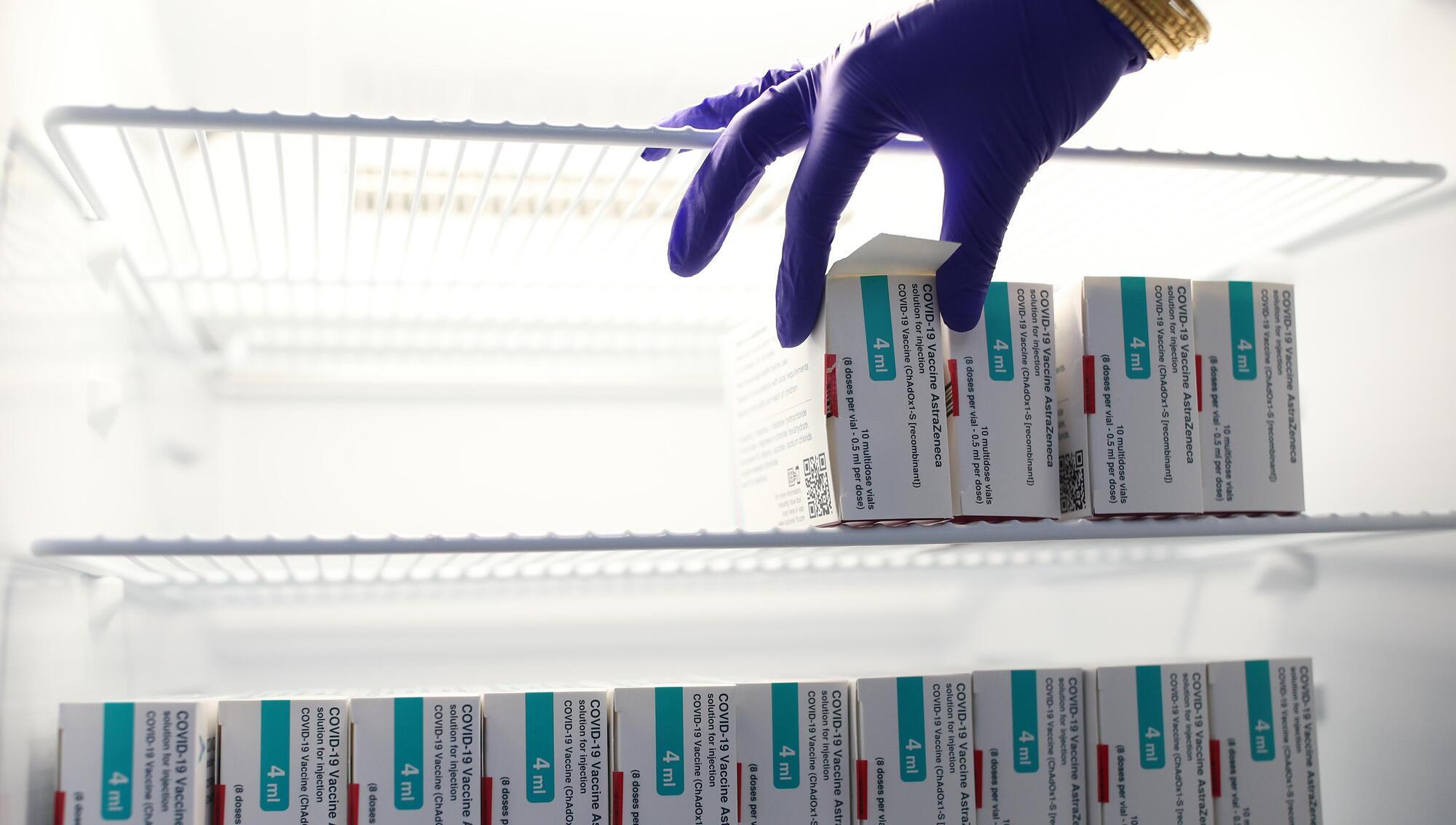
Vials of the Oxford/AstraZeneca Covid-19 vaccine are stored in a temperature-controlled fridge.
Germany will allow AstraZeneca's Covid-19 vaccine to be administered to adults of all ages and aims to offer 12-18-year-olds a vaccine by the end of August as it seeks to speed up its rollout, Health Minister Jens Spahn said on Thursday.
The country's 16 regional health ministers have agreed with Spahn to reverse a previous decision to restrict the AstraZeneca shot to people over 60 years old.
He also said that the current 12-week gap between first and second doses of AstraZeneca vaccinations could be shortened.
"Both these measures serve to further to accelerate our vaccination campaign overall," said Spahn.
Initial supply shortages and bureaucratic hurdles meant Germany, which has Europe's biggest economy, got off to a slow start with its inoculation strategy.
The move, already adopted in several German states, would be on a voluntary basis and family doctors would decide how best to administer the vaccine, Mr Spahn said.
Dozens of countries, including Ireland, paused the use of the AstraZeneca vaccine in March or restricted them to older adults after reports of very rare, but serious, blood clots. Several of them have now resumed use either fully or with restrictions after health regulators said the benefits of the shot outweigh any risks.
Here, only those aged over 60 are being offered the vaccine due to the fears around rare blood clotting events.
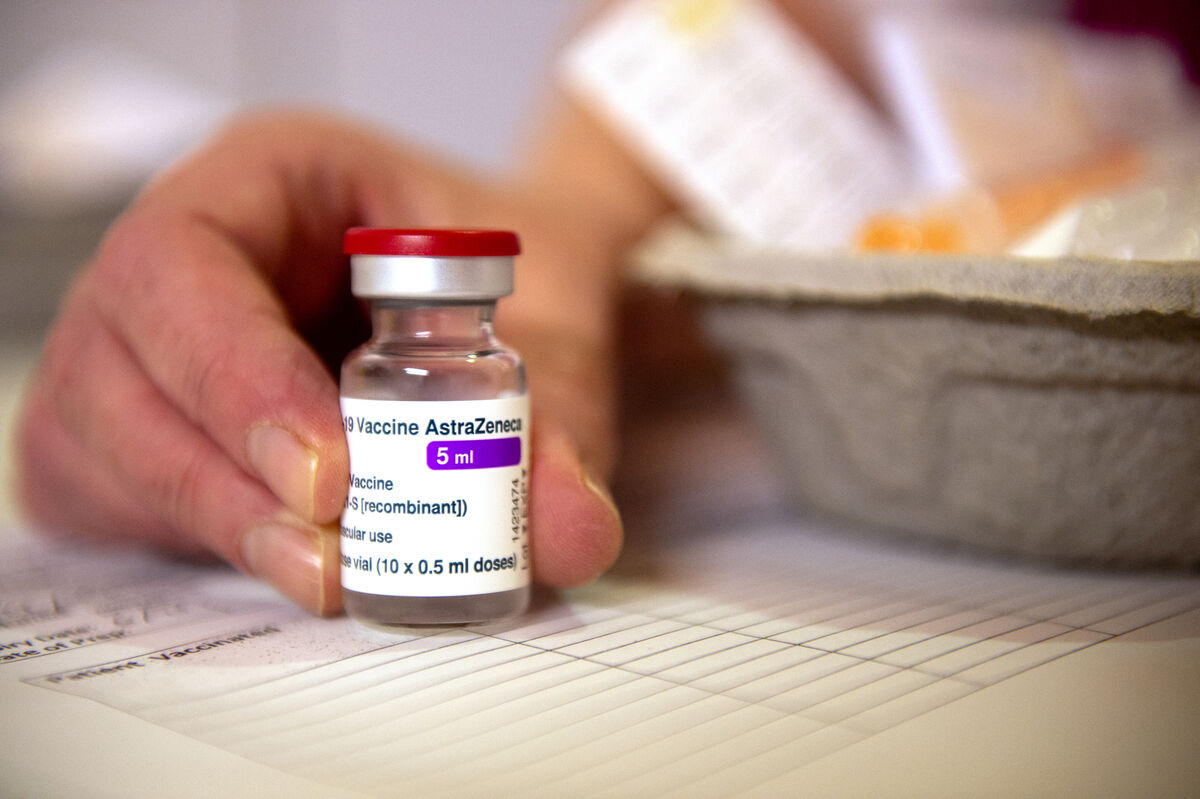
The European Medicines Agency said last month that the overall benefits of the vaccine in preventing the virus outweigh the risks of side effects.
Mr Spahn also said Germany aimed to offer 12-18-year-olds a vaccine by the end of August, provided European regulators give approval for the BioNTech/Pfizer shot for that age group.
So far, 30.6% of Germany's population of about 83 million has received a first dose and 8.6% are fully vaccinated, Robert Koch Institute data shows.
Germany is due to ease restrictions this weekend on people who are fully vaccinated or who have recovered from Covid-19. They will be exempt from a night-time curfew and will no longer need to provide a negative test to go shopping.
Germany has been hit by a third wave of the pandemic but the number of new cases is easing off. The 7-day incidence fell to 129 per 100,000 on Thursday, Robert Koch Institute data showed.

CONNECT WITH US TODAY



Be the first to know the latest news and updates