Ukrainian ceasefire agreed
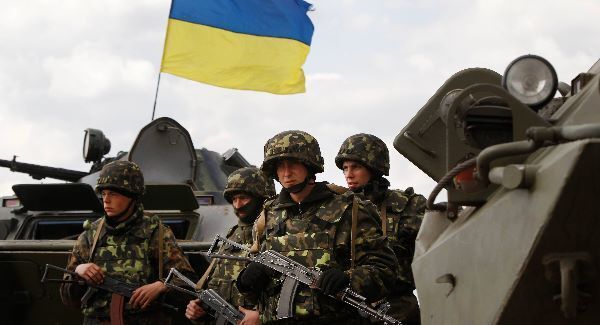
Ukraine and the Russian-backed rebels have signed a ceasefire deal that starts this afternoon, the Organisation for Security and Co-operation in Europe (OSCE) confirmed.
The announcement came as representatives of Ukraine, Russia, pro-Russian rebels and the OSCE met in the Belarusian capital of Minsk.
Since mid-April, Moscow-backed separatists have been fighting government troops in eastern Ukraine in a conflict the UN estimates has killed nearly 2,600 people.
Earlier, heavy shelling resounded north and east of Mariupol.
The key south-eastern port lies on the Sea of Azov, between Russia to the east and the Crimean Peninsula to the west, which Russia annexed in March.
The shelling appeared to indicate that rebels had partially surrounded the area and were probing its defences.
The seizure of Mariupol would give the rebels a strong foothold on the Sea of Azov and raise the threat that they carve out a land corridor between Russia and Crimea.
If that happens, Ukraine would lose another huge chunk of its coast and access to the rich hydrocarbon resources the Sea of Azov is believed to hold.
Ukraine has already lost about half its coastline, several major ports and untold billions in Black Sea mineral rights with Russia’s annexation of Crimea.
“Mariupol is a strategic point. If we lose it then we could lose the entire coastline, the whole south of Ukraine,” said Tatyana Chronovil, a prominent Ukrainian activist at a mustering point for the volunteer Azov Battalion on the eastern edge of the city.
The rebel offensive follows two weeks of gains that have turned the tide of the war against Ukrainian forces, who until recently had appeared close to crushing the five-month rebellion in the east.
Ukraine and the West say the rebel counterattack was spearheaded by regular Russian army units, a charge the Kremlin has denied.
Saying he is “ready to do my best to stop the war,” Ukrainian President Petro Poroshenko voiced “careful optimism” about Friday’s meeting.
Earlier this week, he discussed the outlines of a peace deal with Russian President Vladimir Putin, who also expressed optimism about the chances of reaching an agreement.
For all the upbeat assessments, however, Nato Secretary-General Anders Fogh Rasmussen was still sceptical of Russian motives.
“What counts is what is actually happening on the ground,” he said at the Nato summit in Wales. “I have to say that previously we have seen similar statements and initiatives and they have been a smokescreen for continued Russian destabilisation of the situation in Ukraine.”
Colonel Andriy Lysenko, a spokesman for Ukraine’s national security council in Kiev, said seven servicemen had been killed over the past day, bringing the Ukrainian forces’ death toll to 846.

CONNECT WITH US TODAY



Be the first to know the latest news and updates