Benetton joins pact to improve safety for clothing factory workers
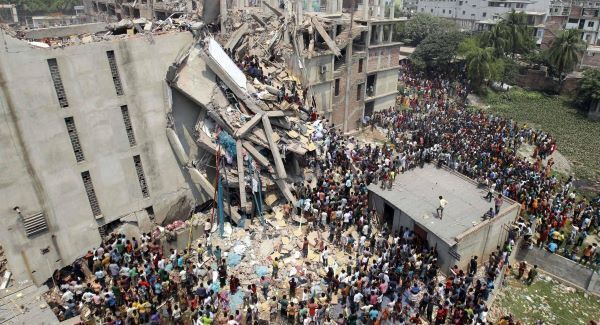
Benetton has become the latest global retailer to agree to sign a one-of-a-kind pact to improve safety at Bangladesh factories following a building collapse that killed more than 1,100 workers.
The move comes after H&M, a trendy Swedish fashion chain that is the largest clothing buyer in Bangladesh, said that it would sign the same five-year legally binding factory safety contract.
Within hours, C&A, Tesco and Primark, and Spain’s Inditex, owner of Zara, followed.
The announcements come ahead of a Wednesday deadline imposed by worker rights groups that said they would increase pressure on brands that did not sign the agreement.
The agreement requires that the companies conduct independent safety inspections, make their reports on factory conditions public and cover the costs for needed repairs. It also calls for them to pay annually toward the effort, to stop doing business with any factory that refuses to make safety upgrades and to allow workers and their unions to have a voice in factory safety.
The six companies join two other retailers that signed the contract last year: PVH, which makes clothes under the Calvin Klein, Tommy Hilfiger and Izod labels, and German retailer Tchibo. The agreement has since been expanded to five years from two.
Among the holdouts, Wal-Mart, the second-largest clothing buyer in Bangladesh, said it had nothing to announce. And Gap, which had been close to signing the agreement last year, said that the pact is “within reach,” but the company is concerned about the possible legal liability involved.
Labour groups applauded the retailers that agreed to the pact. They say the agreement goes a long way toward improving working conditions in Bangladesh’s garment industry, which long has been known to be dangerous.
The agreement comes as the working conditions of Bangladesh’s garment industry have come under increased scrutiny. Since 2005, at least 1,800 workers have been killed in the Bangladeshi garment industry in factory fires and building collapses, according to research by the advocacy group International Labour Rights Forum.
The two latest tragedies in the country’s garment industry have raised alarm. The building collapse at Rana Plaza on April 24 was the industry’s worst disaster in history. And it came months after a fire in another garment factory in Bangladesh in November killed 112 workers.
Following the latest tragedy, Walt Disney announced that it is stopping production of its branded goods in Bangladesh. But most retailers have vowed to stay and promised to work for change. H&M and Wal-Mart both have said they have no plans to leave.
Only a few companies, including Primark and Canada’s Loblaw, which owns the Joe Fresh clothing line, have acknowledged that suppliers were making clothes for them at the Rana Plaza site and have promised to compensate workers and their families.
Benetton labels were found at the site, and the Italian fashion brand acknowledged that one of its suppliers had used one of the factories. The company said that before the collapse, the factory had been removed from its approved list.
CONNECT WITH US TODAY



Be the first to know the latest news and updates