Sect targets Nigeria journalists
Journalists in Nigeria, already the target of threats and bribes, face a new danger after a radical Islamist sect bombed the offices of a major newspaper and vowed to “hit the media hard” in Africa’s most populous nation.
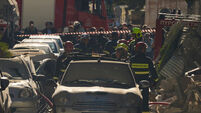
The sect known as Boko Haram said it carried out the suicide car bombing on Thursday at the offices of the influential newspaper ThisDay in Nigeria’s capital Abuja and an attack on an office the publication shared with others in the city of Kaduna. The violence killed at least seven people.
The sect later issued a statement via an internet publication saying it would target media groups that published stories it found unfair, a major threat by a group known to have killed at least two journalists already in its sectarian battle with Nigeria’s weak central government.
“It’s no longer like it was before, when you could pick up your bag and stroll into town and start reporting,” said Deji Bademosi, who supervises reporters at the private network Channels Television.
The press in Nigeria at times resembles the age of newspaper barons and yellow journalism in the US Oligarch families and politicians own many of the major newspapers that circulate in the country, while military rulers previously handed out television broadcast licenses to trusted friends.
ThisDay is owned by media mogul Nduka Obaigbena, whose flashy events in Nigeria have drawn celebrities from former US president Bill Clinton to rapper Jay-Z. He also has strong ties to the country’s elite and the ruling People’s Democratic Party.
Outside of shortwave radio newscasts by the BBC and others, newspapers remain the dominant messenger in Nigeria, where electricity is scarce and most people live on under €1.50 a day.
Hawkers stroll through traffic in major cities waving newspapers with bold, screaming headlines. Those in Friday’s editions ranged from “Media Under Attack” to “Now, news hunters become the hunted”.
“This is a throwback to the military era, when journalists were hounded and hunted by security agents. It was a terrible era when a number of journalists were killed,” reporter Emeka Madunagu wrote in Friday’s edition of the widely published Nigerian newspaper The Punch.
“The media has not fared better since the return of civilian rule in 1999, as journalists have been targeted and killed.”
Since 1992, at least 10 journalists have been killed because of their work, according to the Committee to Protect Journalists. Eight others have been killed for unclear reasons.
In recent months, Boko Haram killed two journalists. Sect gunmen shot dead Zakariya Isa, a videographer for the state-run Nigerian Television Authority, in the north-east city of Maiduguri last October. In January, sect members killed Channels Television journalist Enenche Akogwu as he reported on an attack in the northern city of Kano that killed at least 185 people.
Foreign journalists working in Nigeria routinely travel with bulletproof vests and helmets, as well as medical supplies, when covering violence in the country and others have hired advisers from private security companies to take on assignments.
But their local colleagues rarely have such equipment, training or assistance. They also live with their families in communities where ethnic, religious and political violence remain common and police protection often remains inadequate at best.
At Channels Television, managers have repeatedly talked to reporters about working safely in the field, Mr Bademosi said. However, he acknowledged some in the industry had begun considering “self-censoring” their reports about Boko Haram out of fear of being targeted next.
“As journalists, we have to be very careful,” he said. “We have become targets.”