Warning over Europe pensions time-bomb
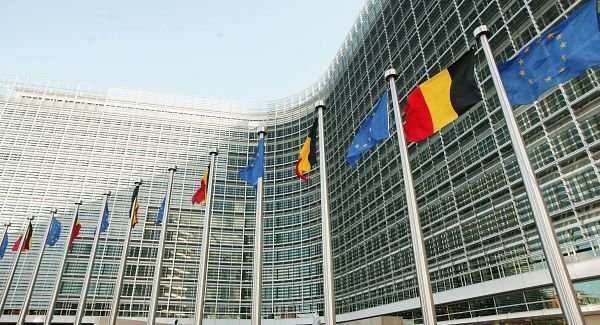
The ratio of pensioners to workers in Europe is set to double in the next 50 years – a pensions time-bomb which must be tackled now, the European Commission warned today.

Warning over Europe pensions time-bomb

The ratio of pensioners to workers in Europe is set to double in the next 50 years – a pensions time-bomb which must be tackled now, the European Commission warned today.

In 2008 there were four people of working age – 15 to 64 – for every one aged 65 or over but by 2006 that will fall to two to one, said a Commission paper launching a debate on possible EU moves to restore the balance.

Pensions policy remains the remit of national authorities, officials in Brussels insisted, and no proposals are being produced.

“We are launching a Europe-wide debate on how to ensure adequate, sustainable and safe pensions, to see in what ways EU-level action can support national efforts,” said a Commission official.

Today’s Green Paper says EU economic social policies can help create conditions for sustainable pensions systems.

It says priorities are to get the right work-retirement balance, to promote a longer active life, remove obstacles to cross-border pension rights and make pensions “safer” in the wake of the economic crisis.

The paper estimates that the average pension age might have to rise to 67 in 2040 and to 70 by 2060 – but the Commission insists Brussels is not recommending increases in pensionable ages.

“Setting retirement ages or increasing pensionable ages is for member states. The Green Paper does not make firm recommendations, nor does it comment on any particular member state’s pension system.

“The design of pension systems is a matter for national governments and there is a broad range of different systems in place across Europe.”

EU Employment and Social Affairs Commissioner Laszlo Andor told a press conference: “The number of retired people in Europe compared with those financing their pensions is forecast to double by 2060 - the current system is simply not sustainable.

“In addressing this challenge, the balance between time spent in work and in retirement needs to be looked at carefully.”

He warned: “The choice we face is poorer pensions, higher pension contributions or more people working more and longer.

“One of the great successes of Europe’s social model is to ensure that old age is not synonymous with poverty.

“This is a promise on which we have to continue to deliver and the dialogue we are launching today should help member states take the right decisions to ensure pension systems are fit for purpose.”

The Commission is now holding “consultations” with unions, businesses and politicians on the issue, with a November 15 deadline for anyone to submit contributions to a dedicated Commission pensions website.

The Commission itself adjusted its pensions policy several years ago. Retirement age for Eurocrats was raised from 60 to 65, with pensions contributions from salaries raised to 11.3% – higher than public sector contributions in any member state, according to one EU official.

More in this section

Cookie Policy Privacy Policy Brand Safety FAQ Help Contact Us Terms and Conditions

© Examiner Echo Group Limited