Baghdad buries its dead after massive car bombings
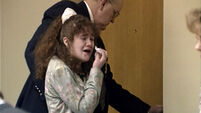
The death toll from Iraq’s worst attacks in more than two years climbed to 155 today as as the funerals from the victims of twin suicide bombings in the heart of Baghdad began.
Services were held around the city amid heightened security that jammed traffic during the morning rush hour. The bombings targeted two government buildings, calling into question the government’s ability to protect itself as it prepares for January elections and the US military withdrawal.
“Sadness is overwhelming today in the office,” said one government employee, who asked not to be named.
“It’s as if we are sitting at a funeral in the office because many of our colleagues and people we know were killed.”
The attacks targeted the Baghdad Provincial Administration building and the Justice Ministry, wounding hundreds of people. Officials revised the number of wounded down to about 500 today, from 700. There have been no claims of responsibility or arrests so far.
Yesterday’s bombings showed that insurgents still have the ability to launch horrific attacks even as violence has dropped dramatically in Iraq.
They also sparked fears of increased violence because the explosives-laden vehicles were able to get into an area home to numerous government institutions and just hundreds of yards from the heavily fortified Green Zone where foreign embassies and the prime minister’s office are located.
Massive car bombs have been the hallmark of the Sunni insurgents seeking to overthrow the country’s Shiite-dominated government. Iraq has accused members of the outlawed Baath Party living in neighbouring Syria of being behind another series of deadly bombings in August that also targeted government buildings and killed more than 100 people.
Iraqi Prime Minister Nouri al-Maliki, who has staked his political reputation and re-election bid on his ability to bring peace to the country blamed, blamed the attacks on al Qaida and Baathists of the previous regime of Saddam Hussein.
The street where the blasts occurred had just been reopened to traffic six months ago. Shortly after, blast walls were repositioned to allow traffic closer to the government buildings – all measures part of changes hailed by Mr al-Maliki as a sign that safety was returning to the city.
The initial investigation suggested the vehicles, each packed with explosives, might have passed through some security checkpoints before hitting their destination.
The pickup truck that exploded near the Justice Ministry was carrying 2,000lbs of explosives, the initial investigation found. The second pickup truck that went off near the Baghdad Provincial Administration building, was carrying 1,500lbs of explosives.
The coordinated bombings were the deadliest since a series of massive truck bombs in northern Iraq killed nearly 500 villagers from the minority Yazidi sect in August 2007.
In Baghdad itself, it was the worst attack since a series of suicide bombings against Shiite neighbourhoods in April 2007 killed 183.


CONNECT WITH US TODAY



Be the first to know the latest news and updates