Nato normalises relations with Russia
Nato agreed to resume normal relations with Russia today, seven months after it froze ties in response to Moscow's invasion of Georgia.
The move was a step forward for the Obama administration, which is seeking to establish a broad, positive relationship with Russia after years of tensions.
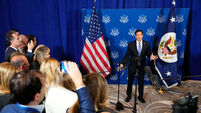
US Secretary of State Hillary Clinton pressed to revive the Nato-Russia Council, a forum created in 2002 to strengthen ties with Moscow, which is not a Nato member.
In her remarks to the meeting of Nato foreign ministers in Brussels, Mrs Clinton said the time had come "to explore a fresh start" with Moscow, according to a text released by her staff.
"We think that this is a step in the right direction. At last common sense has triumphed," a Russian Foreign Ministry spokesman said.
Nato Secretary General Jaap de Hoop Scheffer said the organisation continued to strongly disagree with a number of Moscow's actions, including its recognition of the independence of Georgia's breakaway regions of Abkhazia and South Ossetia.
The revived Nato-Russia Council would be a forum where such issues could be discussed, he said.
Many foreign ministers said they believed the time was right to warm up to Russia. Such a move could boost President Obama's efforts to build a stronger bond with the Russians after years of tensions during the Bush administration.
In his opening speech Mr de Hoop Scheffer said it was time to discuss "possible next steps" in Nato's re-engagement with Russia, including the revival of the Nato-Russia Council.
"While not shying away from the serious differences of opinion that remain between Nato and Russia, in particular about Georgia, we also acknowledge that we have obvious common interests with Russia: Afghanistan is one, but counterterrorism and the fight against WMD proliferation are others," he said.
British Foreign Secretary David Miliband said on arrival at Nato headquarters that he would argue in favour of restoring relations with Moscow.
"I think it's important to re-establish the Nato-Russia Council," he said. "In many areas, such as Afghanistan, it is important that Russia and Nato work together." Asked whether that means it will again be business as usual with Moscow, he replied, "Business was changed fundamentally since the Georgia crisis."
However, some Nato member states said they were opposed to a normalisation of ties with Moscow. Lithuanian foreign minister Vygaudas Usackas said it was "a bit premature" to reward Russia.
The five-day war between Russia and Georgia erupted when Georgian troops launched an attack to regain control over South Ossetia, which has run its own affairs with Russian support since the early 1990s. Russian forces intervened, driving Georgian troops out of South Ossetia and surrounding areas.
US missile defences are another source of tension with Moscow. The Russians are particularly angry about a Bush administration plan - now under review by the Obama administration - to install missile interceptors in Poland and a missile-tracking radar in the Czech Republic.

CONNECT WITH US TODAY



Be the first to know the latest news and updates