McCain condemns China on Tibet

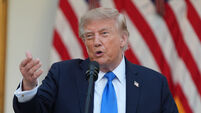
As China raised its death toll after riots in Tibet to 19 today, US presidential hopeful John McCain criticised Beijing’s actions as “not acceptable”.

McCain condemns China on Tibet

As China raised its death toll after riots in Tibet to 19 today, US presidential hopeful John McCain criticised Beijing’s actions as “not acceptable”.

As troops tried to enforce calm in restive Tibetan areas, Mr McCain’s comments added to a rising international chorus of concern over Beijing’s crackdown after protests it has blamed on supporters of the exiled Tibetan leader, the Dalai Lama.

The Communist Party newspaper People’s today Daily called for efforts to “resolutely crush” pro-independence agitators linked to the Dalai Lama. The government appealed yesterday to the Chinese public for help, publishing a “Most Wanted” list of 21 people.

The dead in Lhasa include 18 civilians and a police officer, the official Xinhua News Agency said.

China might bar live television broadcasts from Tiananmen Square during the Beijing Olympics, apparently unnerved by the recent outburst of unrest and fearful of protests in the heart of the Chinese capital.

A ban on live broadcasts would disrupt the plans of NBC and other major international networks, who have paid hundreds of millions of dollars to broadcast the August 8-24 games and are counting on eye-pleasing live shots from the iconic square.

It’s unclear whether the ban would apply to coverage of the Olympic marathon, which starts in Tiananmen. An early indicator will be a marathon test-event scheduled for April.

The rethinking of Beijing’s earlier promise to broadcasters comes as the government has poured troops into Tibetan areas wracked by anti-government protests this month and stepped up security in cities, airports and entertainment venues far from the unrest.

The communist government’s resorting to heavy-handed measures runs the risk of undermining Beijing’s pledge to the International Olympic Committee that the games would promote greater openness in what a generation ago was still an isolated China. If still in place by the games, the security measures could alienate the half-million foreigners expected at the games.

Like the Olympics, live broadcasts from Tiananmen Square were meant to showcase a friendly, confident China – one that had put behind it the deadly 1989 military assault on democracy demonstrators in the vast plaza that remains a defining image for many foreigners.

With paramilitary police patrolling Beijing at night and journalists being expelled from Tibetan areas, security measures are on par with those not seen since the government mobilised police to crush the Falun Gong spiritual movement in 1999-2000.

Aside from Tibet protests, the government said it foiled a plot this month by Muslim separatists in western China to blow up a China Southern Boeing 757.

Foreign activists angry about China’s support for Sudan, which is party to a civil war in Darfur, said this week they would demonstrate in Beijing during the games.

x

More in this section

Cookie Policy Privacy Policy Brand Safety FAQ Help Contact Us Terms and Conditions

© Examiner Echo Group Limited