UN envoy: Suu Kyi to be released soon
A UN envoy who met detained opposition leader Aung San Suu Kyi today in Burma said she was “well and in good spirits” and that the military junta had assured him she would be released soon, perhaps in about two weeks.
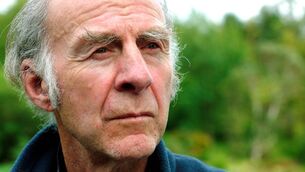
Razali Ismail, a veteran Malaysian diplomat, was the first outsider to meet The Nobel Peace Prize winner since she was detained by the government on May 30 and moved to a secret location.
Her detention followed a bloody clash between her supporters and military backers, and was accompanied by a crackdown on her pro-democracy party.
“They gave assurances but they did not give specific dates,” Razali said after arriving back in the Malaysian capital Kuala Lumpur. “I think two weeks, they should release her.”
After Razali’s left, Burma’s Deputy Foreign Minister Khin Maung Win said the “safe custody measures” against Suu Kyi would be lifted, but did not give a specific time.
World leaders have been urging Burma’s generals to release Suu Kyi and some have threatened more economic sanctions against the South-east Asian nation.
Malaysian Prime Minister Mahathir Mohamad, who helped broker Burma’s early steps towards political reconciliation, today urged the junta to release Suu Kyi immediately.
There were widespread concerns that Suu Kyi, the widow of an Oxford don who won her Nobel Prize in 1991 for her non-violent struggle for democracy, had been injured during the May 30 clash.
“I can assure you she is well and in good spirits ... no injury on the face, arm. No injury. No scratch, nothing,” Razali said after an hour-long meeting with Suu Kyi.
He declined to disclose the location of the meeting, but a source said it was at a Defence Ministry guesthouse. It was not known whether Suu Kyi was being held there, or if she was taken there just for the meeting.
The junta says the clash that led to her detention was sparked when her motorcade tried to go through thousands of pro-government protesters, and that four people were killed and 50 injured.
But exiled opposition figures in Thailand have said pro-junta thugs started the violence, that as many as 70 people were killed, and that Suu Kyi may have received head injuries in the clash. The US State Department says the clash appears to have been an ambush by junta supporters.
Since the clash, the offices of Suu Kyi’s National League for Democracy party have been shut and other party leaders are under house arrest.
Suu Kyi spent six years under house arrest in 1989-95. Her party won general elections in 1990 but was blocked by the military from taking power.
CONNECT WITH US TODAY



Be the first to know the latest news and updates