Anti-theft devices can affect pacemakers
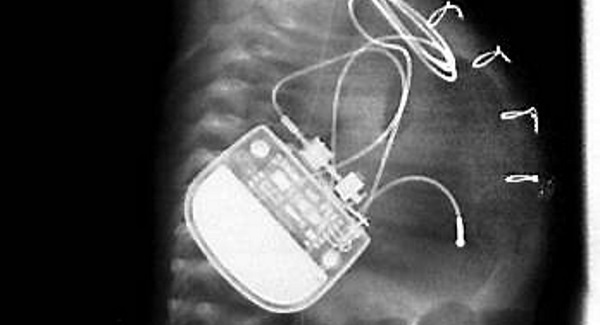
Many patients are unaware that electronic anti-theft systems, also known as electronic article surveillance (EAS) systems, can pose a threat to people using cardiac devices, they said.
Prolonged exposure to the in-store devices can cause pacing therapy to drop beats and cause implantable defibrillators (ICDs) to deliver inappropriate shocks, experts told the Cardiostim EHRA Europace 2016 conference in Nice, France.
Some of the anti-theft devices are hidden under floors, in walls and in doors, while traditional pedestal systems in doorways are often covered by advertising sleeves.
A new study, presented by Professor Robert Stevenson, senior scientist at Greatbatch Medical in Santa Clarita, California, US, examined pacemakers against an array of anti-theft devices.
Traditional pedestal systems interfered with cardiac device functioning, especially when the devices were in prolonged close proximity, they found.
In particular, they raised concerns about patients standing in close to EAS pedestals and toddlers with pacemakers crawling over sub-floor systems.
Professor Stevenson added: “It is particularly important that patients do not sit or slouch in a chair or couch in store entry areas.
“Patients are safe if they walk at a constant pace through the system.”
Man sues, claims security guard's metal detector caused his pacemaker to fail at Pittsburgh Municipal Court. https://t.co/jyX5tA4iGx
— The Associated Press (@AP) June 8, 2016