Fiction: The books we say we’ve read
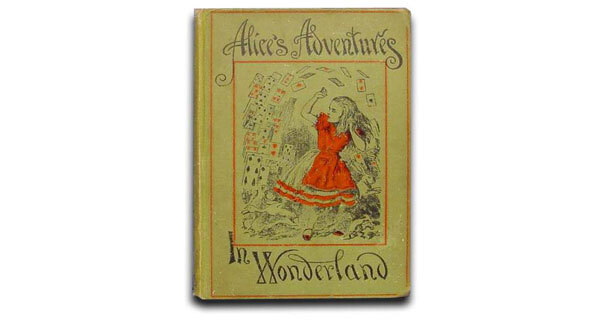
But children’s favourite Alice’s Adventures In Wonderland by Lewis Carroll is responsible for the most literary fibs, according to a BBC survey.
Those who have struggled to make any headway into Leo Tolstoy’s classic, currently taking centre stage in the Sunday night TV schedule, can take heart that it is still responsible for plenty of deceit, coming fourth on the list of books that we lie to our friends about having read.
George Orwell’s Nineteen eighty-four and JRR Tolkien’s Lord Of The Rings trilogy came second and third respectively, while Tolstoy appeared again at number five with Anna Karenina.
A study of the reading habits of 2,000 British people commissioned by the BBC Store found that one in four bluffed about reading a classic when a TV adaptation of it was shown, with the most popular reasons being not wanting to miss out on the conversation and wanting to appear more intelligent.
One in three admitted they would not correct someone if they wrongly assumed they were better read than in reality — 60% said being well-read made a person appear more attractive.
There is good news for booksellers.
The survey found that film and television adaptations actually encourage viewers to pick up the original text, with 44% saying they would be tempted to pick up a book if it had been deemed worthy of an all-star dramatisation.
Alice’s Adventures In Wonderland – Lewis Carroll
1984 – George Orwell
The Lord Of The Rings trilogy – JRR Tolkien
War And Peace – Leo Tolstoy
Anna Karenina – Leo Tolstoy
The Adventures Of Sherlock Holmes – Arthur Conan Doyle
To Kill A Mockingbird – Harper Lee
David Copperfield – Charles Dickens
Crime And Punishment – Fyodor Dostoyevsky
Pride And Prejudice – Jane Austen