Self-cleaning smart windows to help save heating bills
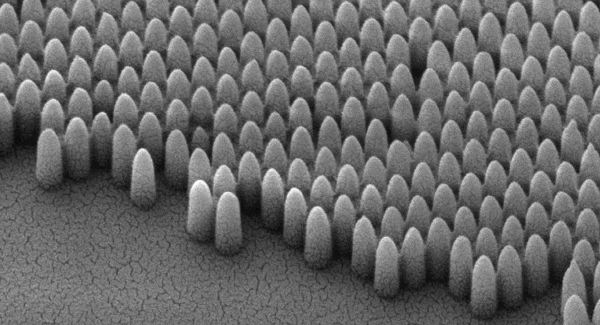
The windows are ultra-resistant to water, thanks to pencil-like microscopic structures in the glass.
Water simply rolls off the panes in spherical droplets, picking up dirt, dust, and other contaminants and carrying them away.


Read

Listen

Watch

Play
CONNECT WITH US TODAY



Be the first to know the latest news and updates








Check out our diverse library of newsletters and get the best of the Irish Examiner delivered straight to your inbox
Most Read
Wednesday, September 30, 2026 - 9:00 PM
Wednesday, September 30, 2026 - 6:00 PM
Wednesday, September 30, 2026 - 10:00 PM