Climate change may hurt power plants' ability to produce electricity
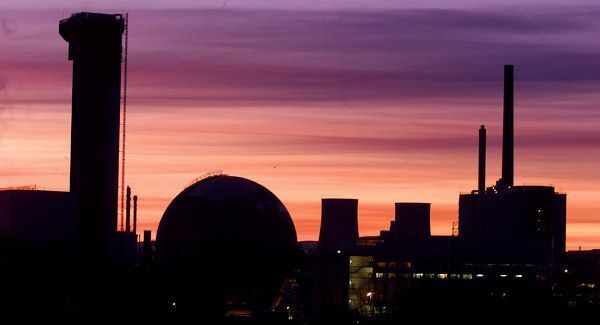
By the middle of the century, factors such as rising water temperatures might diminish water supplies vital to the production of power, research published in the journal “Nature Climate Change” suggests.
Coupled with an increasing global demand for electricity, this could impact the ability of power plants to produce enough electricity.
Hydroelectric and thermoelectric power — which includes nuclear and fossil fuel — currently account for 98% of the world’s electricity supply and “strongly depend” on water resources.
A rise in droughts and heatwaves prompted by the anticipated effects of climate change could threaten access to water resources, the authors warn.
The study estimates that between 2040 and 2069, 81% to 86% of the 1,427 thermoelectric plants studied could see their usable capacity — the amount of electricity they can produce — plunge.
Similarly, of the 24,515 hydropower plants examined in the research, it is estimated 61% to 74% of them could also see their usable capacity reduced.
It estimated that the global annual capacities of hydropower stations could drop by up to 3.6% and by up to 12% for thermoelectric plants by the 2050s.