Oil price ‘could get worse’ before rise
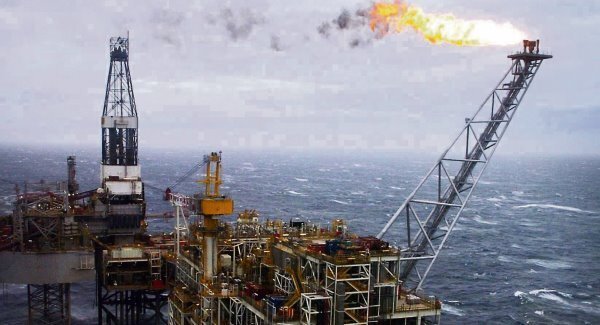
US futures prices have slumped 32% this year, a second annual loss that exceeds the magnitude of the slide during the Asian economic crisis, from 1997 to 1998.
US crude inventories increased by 102m barrels, or more than 25%, over the year, according to Energy Information Administration data.
Russia ended 2015 with weekly oil production setting a post- Soviet record, according to Moscow’s Energy Ministry data.
Oil is trading near levels last seen during the global financial crisis, amid signs the oversupply will be prolonged after the Organisation of Petroleum Exporting Countries abandoned output limits at a meeting earlier this month.
Additionally, US crude output is poised to grow for a seventh straight year, and Russian producers are proving resilient to the price slump.
“Things could get worse before they start improving again,” Ehsan Ul-Haq, a senior staff consultant at KBC Advanced Technologies, said.
Oil prices have to drop further to make high-cost production uneconomic. “Only then we will see a recovery, which might not come before the second half,” he said.
The European benchmark, the Brent crude oil price, fell 17 cents, to $36.29 a barrel, on the London-based ICE Futures Europe exchange. Prices are down 37% this year, a third consecutive annual loss.
US crude stockpiles rose by 2.63m barrels through December 25 and production increased for a third week, the EIA said in a report on Wednesday.
Oil inventories stored at Cushing, in Oklahoma, climbed to 63m barrels, the highest level since the EIA began publishing weekly data, in April, 2004.
The glut may deepen as the worst flooding across the US Midwest in four years shut some oil pipelines and terminals near St. Louis.
The biggest to close is Enbridge’s Ozark pipeline, which was booked to carry 200,000 barrels a day this month to Wood River in Illinois, from Cushing.
Russia’s oil output is poised to reach a post-Soviet record of 10.86m barrels a day this week, according to Energy Ministry data.
Russian companies have been helped by a weaker ruble, which has reduced the cost of services, such as drilling. Its country’s tax system, by which the state bears most of the risk and reward from price movements, has also helped.