‘Deal won’t see Iran bend to US will’ said Ayatollah Ali Khamenei
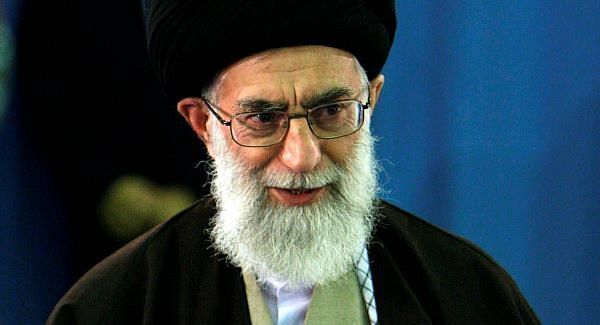
The 76-year-old cleric, Iran’s highest authority, has refrained from making decisive statements on the July 14 nuclear deal, but gave president Hassan Rouhani political cover to pursue talks with the six powers.
Tehran agreed to verifiable limits on its atomic energy programme to create confidence that it will not be put to developing nuclear weapons, in exchange for lifting international sanctions crippling its oil-based economy.
“They thought this deal — and it is not clear if it will be passed in Iran or in America — will open up Iran to their influence,” Khamenei said .
“We blocked this path and will definitely block it in the future. We won’t allow American political, economic, or cultural influence in Iran.”
Most analysts see the chance of Khamenei rejecting the deal as small so long as it passes through the US Congress, where opposition Republicans aim to block it.
Khamenei has always dismissed the notion that the agreement could reconcile the Islamic Republic with the US, its arch-adversary since the 1979 Islamic Revolution.
“Khamenei wants to keep the deal with the US purely nuclear. He is worried about economic, political, and cultural intrusion after the deal,” said Hossein Rassam, former Iran adviser to Britain’s foreign office.
“He fears integration into the international economy could make the Islamic Republic vulnerable and potentially lead to its collapse.”
If the deal is fully implemented, Iran’s market of nearly 80m people would be opened up to foreign investment — after protracted isolation.
Unlike European competitors, US firms will struggle to gain any toehold in Iran due to fear among Iranian officials of being seen to be coming under any American influence.
“It will be a long time, regardless of whether the deal goes through, before US businesses will fully operate in Iran,” said Sarah Dayan, an analyst at Risk Advisory Group consultancy.












