Greece’s parliament votes for bailout
The Greek parliament has voted by a narrow majority to take the first steps towards a €86bn bailout (its third) by adopting a series of austerity measures.

Greece’s parliament votes for bailout

Syriza needed the support of centre right and left parties to push it through as it lost some key people as the party all but revolted.

However, this is just the first in a series of hurdles as a number of countries, including Germany, have to give it the go-ahead by tomorrow and the Greeks must agree another raft of laws next Wednesday. France voted in favour yesterday.

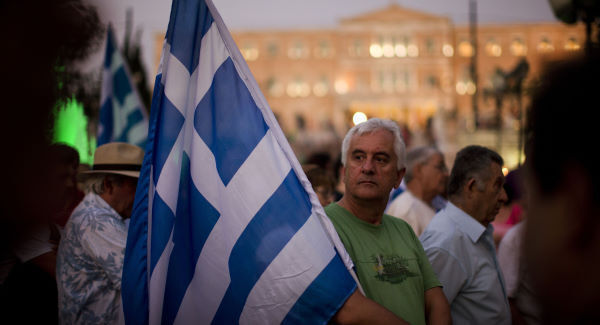
The vote took place against a backdrop of strikes by public servants and demonstrations outside the parliament in Syntagma square with anarchists throwing petrol bombs and riot police retaliating with tear gas.

AlexisTsipras faced mutiny in the ranks of his own party with the majority of the central committee denouncing the bailout as a coup, former finance minister Yanis Varoufakis saying it was doomed to fail and some ministers resigning, opening the possibility of a new coalition or elections.

He said he would not resign but would lead the country through the terms of the bailout that sees Greece getting €86bn of which €53.7bn is for debt repayments and €25bn for bank restructuring.

The omnibus bill that passed includes the deal thrashed out at the weekend summit of EU leaders and includes extensive changes to tax, Vat, pensions, tax and public administration, labour and retail markets, reforms to the statistics office and the fiscal council.

In the meantime, Brussels was making frantic efforts to put together €7bn towards Monday’s repayment of €6.2bn to the ECB and close to €1.6bn owed in arrears to the IMF.

All countries refused to extend bilateral loans to Greece and Britain objected to the money coming from the European Financial Stability Facility to which all 28 member states contribute.

Commission vice president Valdis Dombrovskis said it hoped to use part of the €7.7bn Securities Markets Programme profits due to Greece by the ECB as collateral for the bridging loan.

The IMF said the debt-to-GDP ration could reach 200% by 2022 and was not sustainable while the Commission said with the reforms it could be 150%. This casts doubt on the involvement of the IMF in the third programme as it must be able to show the country will be capable of repaying its loans.

Germany says the deal only goes ahead with IMF involvement.

The Commission set up a taskforce to help Greece claim €2bn EU funds for infrastructure and job creation before the end of the year and €35bn up to 2020 to which they have to contribute 5% up to the middle of 2016 and 10% after that.

More in this section

Cookie Policy Privacy Policy Brand Safety FAQ Help Contact Us Terms and Conditions

© Examiner Echo Group Limited