Iran talks on nuclear deal in deadlock
The White House said that significant issues remained to be resolved and Iran faced some tough decisions. An Iranian diplomat told Iran’s students newsagency ISNA that a ministerial meeting, which Iranian media earlier reported would take place at 7pm was unlikely to happen immediately.
Officials close to the negotiations spoke of the increasing frustration on the part of European delegates regarding Kerry’s apparent unwillingness to walk away but the White House said “genuine progress” had been made and the US negotiating team would stay in Vienna as long as negotiations remained useful.
“There continue to be significant issues that remain,” White House spokesman Josh Earnest said.
“They’re not going to sign onto an agreement until all of our concerns have been addressed. And as long as they continue to make progress in doing that, then the talks will will continue.”
For days, Iran and six other world powers have been close to a deal to give Tehran sanctions relief in exchange for limits on its nuclear program, but Iranian officials said talks could run past their latest midnight deadline and success was not guaranteed.
There were no concrete signs of a breakthrough as diplomats in Vienna continued to struggle over issues such as UN sanctions and access to Iranian military sites.
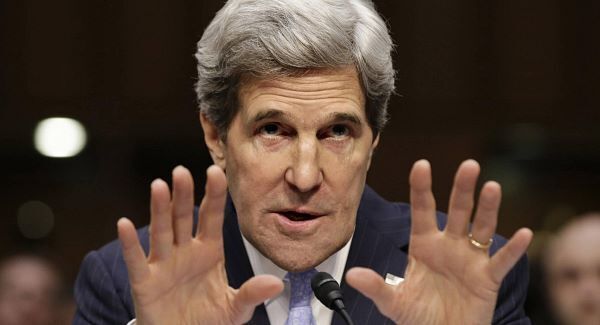
Earlier, US Secretary of State John Kerry sat in silence when asked if the deadline might be extended or if he could rule out an extension.
His Iranian counterpart, Mohammad Javad Zarif, said “there shouldn’t be any extension”, according to the semi-official Fars news agency, only to add: “But we can continue the talks as long as necessary.”
Zarif spoke with Kerry and European Union foreign policy chief Federica Mogherini for more than an hour. Oil markets appeared to be expecting a deal soon; crude futures fell about 1% on the prospect that sanctions would soon be lifted, allowing Iran to expand its sales into an already oversupplied market.
Diplomats said there were contingency plans for an announcement ceremony in the event of a deal, which would open the door to ending sanctions that have crippled Iran’s economy, in exchange for at least a decade of curbs on its nuclear program.
The Western powers in particular suspect Iran may have sought to use its civil nuclear program as a cover to develop a nuclear weapons capability. Iran says the program is solely for peaceful purposes.
Reuters