Netanyahu looks to break election deadlock
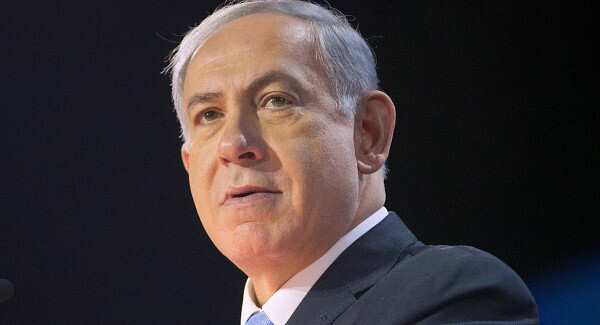
Israeli prime minister Benjamin Netanyahu, trailing in opinion polls, used a strategic Jewish settlement he helped found as the backdrop for an election eve bid to win back right-wing votes.

Netanyahu looks to break election deadlock

His main challenger, Isaac Herzog, leader of the Zionist Union, said on Facebook that ā€œIsrael will be stuck with Bibiā€ unless voters turn out today for the centre-left alliance, which polls predict will take 24 to 26 seats in the 120-member parliament, compared with 20 to 22 for Likud.

No single party has ever won an outright majority in the legislature, making coalitions the norm.

Israel’s president picks the political leader whom he believes has the best chance of forming a coalition to have a go first.

Faced with the projected Zionist Union lead, Netanyahu had in the final days of the campaign ramped up appeals to disaffected supporters who have shifted their allegiance to smaller right-wing parties to ā€œcome homeā€ to Likud.

ā€œThe choice is symbolic: the Likud led by me, that will continue to stand firmly for (Israel’s) vital interests, compared with a left-wing government ... ready to accept any dictate,ā€ he said in a campaign speech at the Har Homa settlement.

Setting the tone for his three terms in office, Netanyahu promoted the establishment of Har Homa in 1997, in defiance of deep-seated international opposition, after he was first elected prime minister.

The settlement is on a hilltop in a part of the occupied West Bank that Israel annexed, along with nearby East Jerusalem, after the 1967 Middle East war.

Palestinians, who call the site Jabal Abu Ghneim, have long viewed Har Homa’s construction as an attempt to tighten Israeli control around the holy city.

ā€œI thought we had to protect the southern gateway to Jerusalem by building hereā€, Netanyahu said, with a construction site behind the podium as his backdrop.

Avraham Diskin, a political scientist at Jerusalem’s Hebrew University, said opinion polls showed the right-wing and left-wing blocs were both short of a governing majority.

That could make two centrist parties, Yesh Atid led by former TV chat show host Yair Lapid, and Kulanu, headed by former communications minister Moshe Kahlon, kingmakers in the frenetic coalition-building that will follow the vote.

x

More in this section

Cookie Policy Privacy Policy Brand Safety FAQ Help Contact Us Terms and Conditions

Ā© Examiner Echo Group Limited