Survivor’s blood used for nurse’s treatment
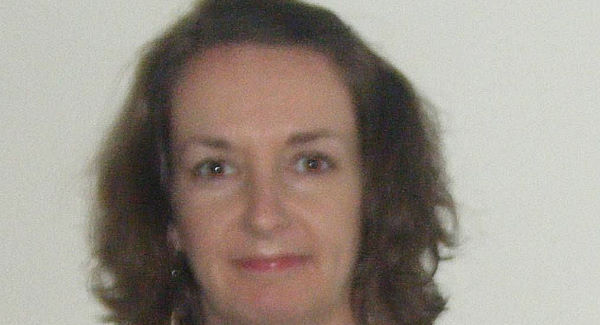
Pauline Cafferkey, from Glasgow, a public health nurse at Blantyre Health Centre, South Lanarkshire, is receiving specialist treatment via a quarantine tent at the Royal Free Hospital in north London after initially flying home from Heathrow to Glasgow.
Yesterday it emerged that Ms Cafferkey is a cousin of former Ireland international goalkeeper Packie Bonner. The former Glasgow Celtic keeper’s mother and Ms Cafferkey’s grandmother were sisters, and it is understood that the nurse has extended family in Kincasslagh, West Donegal.
Dr Michael Jacobs said Ms Cafferkey was being treated with convalescent plasma taken from the blood of a recovered patient and an experimental anti-viral drug which is “not proven to work”. But he revealed the hospital was unable to obtain ZMapp, the drug used to treat fellow British volunteer nurse William Pooley, who recovered, because “there is none in the world at the moment”.
Describing the patient’s condition, he said: “She is sitting up and talking. She is able to read. She’s been eating a bit, drinking, and she’s been in communication with her family, which has been really nice. She’s as well as we can hope for at this stage of the illness.”
He said the next few days were “critical” but Ms Cafferkey was in an early phase of the disease which gave the hospital the “best opportunity to give her treatment”.
“At the moment, we don’t know what the best treatment strategies are. That’s why we’re calling them experimental treatments. As we’ve explained to Pauline, we can’t be as confident as we would like.
“There’s obviously very good reason to believe it’s going to help her, otherwise we wouldn’t be using it at all, but we simply don’t have enough information to know that’s the case.”
Dr Jacobs said there were several stocks of plasma around Europe which would be considered in the treatment of Ms Cafferkey.
Mrs Cafferkey was part of a 30-strong team of medical volunteers deployed to Africa by the UK government last month and had been working with Save the Children at the Ebola Treatment Centre in Kerry Town, Sierra Leone.
The healthcare worker had flown from Sierra Leone via Morocco to Heathrow, where she was considered a high risk because of the nature of her work but showed no symptoms during screening and a temperature check.
However, while waiting for a connecting flight to Glasgow she raised fears about her temperature and was tested a further six times in the space of 30 minutes.
Despite her concerns, she was given the all-clear and flew on to Scotland where, after taking a taxi home, she later developed a fever and raised the alarm.