Heart-breaking ebola stories recounted by nurse
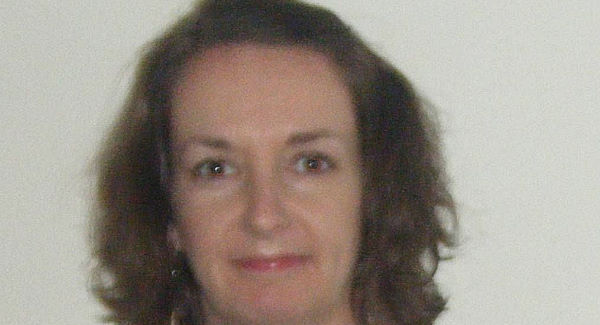
Pauline Cafferkey, who has been a nurse for 16 years, was deployed to Sierra Leone last month as part of a 30-strong team of volunteers.
She is being treated in the Royal Free Hospital in north London after being diagnosed with the disease following her return to the UK on Sunday.
In a moving diary for the Scotland on Sunday newspaper, she described the agony of treating a young boy who lost his mother, and then finding out he had also lost his father and sister.
Cafferkey, 39, from Glasgow, described living alongside 14 other volunteers in a âwee shack on the beachâ and passed by âa small mangrove with crocodiles every day, not your average walk to workâ.
At the Ebola Treatment Centre where she worked in the countryâs capital, Freetown, patients were treated in the infective âRed Zoneâ, while the area around it was the safe âGreen Zoneâ.
She wrote: âBizarrely we find ourselves saying âgood luckâ to our colleagues prior to entering the Red Zone, a sobering reminder of what we are doing.â
Despite becoming ill herself, Cafferkey described how the work became a normal part of he life, invading her dreams and becoming âall-consumingâ.
She said: âMy nice community nursing job in Blantyre is far removed from this but at the moment this seems a lot more real.â
The protective suits the volunteers wore were horrendous, she said. They took 20 minutes to put on and were unbearably hot, but âon the up side, I feel very well protectedâ.
She wrote in Scotland on Sunday: âI feel sorry for the poor patients who have these alien-type people caring for them. Especially so for the young children, who are not only very sick but have these strange creatures with only their eyes visible trying to make them drink and take medications.â
One particularly traumatic experience came when she comforted a young boy who lost his mother, leaving him an orphan after his father also died.
Cafferkey wrote: âI tried to console him, and he said he has a sister who also came to the treatment centre with him and his mother, but he did not know where she was. A young girl had died that morning. I could not be 100% sure that it was his sister, so I wasnât able to offer him any news.
âOn leaving the Red Zone, I checked the notes and confirmed that the girl who died that morning was his sister. His mother had seen her daughter die in the bed across from her that morning and she died a few hours later.
âThe sad thing is that this is a regular occurrence and we see and hear of whole families being wiped out by this awful disease.â
In her final diary piece for Scotland on Sunday, Cafferkey said there was âno sign of anything Christmassyâ in the country after the government banned the festivity and closed schools.
And in a now-poignant entry, she described her joy at seeing survivors being discharged.