WHO calls for ban on e-cigarette indoor use
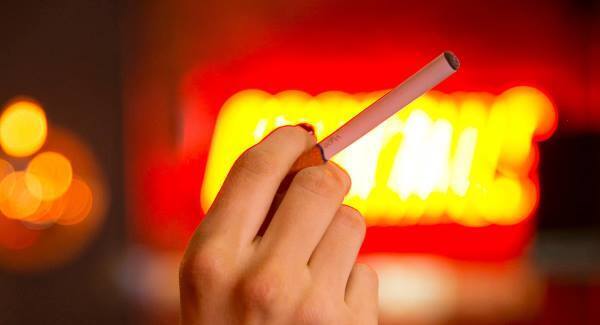
Despite releasing vapour instead of smoke, the devices, officially known as electronic nicotine delivery systems (Ends), still carry a risk to those standing around users, a report for the Geneva-based UN organisation said.
In a report, it said: âThe fact that Ends-exhaled aerosol contains, on average, lower levels of toxicants than the emissions from combusted tobacco, does not mean that these levels are acceptable to involuntarily exposed bystanders.
âIn fact, exhaled aerosol is likely to increase above background levels the risk of disease to bystanders, especially in the case of some Ends that produce toxicant levels in the range of that produced by some cigarettes.â
The report, to be discussed at Octoberâs WHO Framework Convention on Tobacco Control in Moscow, also recommends preventing manufacturers from marketing e-cigarettes as âsmoking cessation aidsâ until they provide scientific evidence to back the claim.
The report also says they should be banned from sale to minors, and that vending machines should be removed âin almost all locationsâ.
In Ireland, there is no specific regulation dealing with e-cigarettes while in the UK electronic cigarettes are currently regulated as consumer products.
Last year, the UK Medicines and Healthcare Products Regulatory Agency announced that nicotine-containing products, including some e-cigarettes, are to be regulated as medicines to make the products more âsafe and effectiveâ â the move coming into effect in 2016.
In its report, the WHO said that so far, the evidence that e-cigarettes helped people quit smoking was âlimitedâ and âdoes not allow conclusions to be reachedâ.
It said: âAlthough anecdotal reports indicate that an undetermined proportion of Ends users have quit smoking using these products, their efficacy has not been systematically evaluated yet.
The one ârandomised control trialâ that has been carried out found that Ends were about as effective as nicotine patches, it added.
Action on Smoking and Health in Britain (Ash) said it could not support any plans to include electronic cigarettes under smokefree legislation.
Hazel Cheeseman, Ash director of policy and research, said there was âno evidence of any harm to bystanders from use of these devicesâ and said regulation needed to be proportionate.
She said: âSmoking kills 100,000 people in the UK alone. Smokers who switch to using electronic cigarettes in whole or in part are likely to substantially reduce their health risks.
âAlthough we cannot be sure that electronic cigarettes are completely safe, as the WHO acknowledges, they are considerably less harmful than smoking tobacco.
âThe planned regulatory approach in the UK is consistent with the suggestions made by the WHO and balances risks and opportunities of these products.
âIt is hoped that our regulatory regime will promote the development of safer and more effective products while ensuring that electronic cigarettes continue to be widely available to those smokers who want to use them.â