UN tribunal convicts two of Cambodia’s Khmer Rouge leaders
When the nightmare ended, in 1979, close to two million people were dead — a quarter of Cambodia’s population.
Yesterday, a UN-backed tribunal convicted two of the men who ruled during that era of crimes against humanity in the first — and possibly the last — verdicts to be issued against the group’s aging, top members.
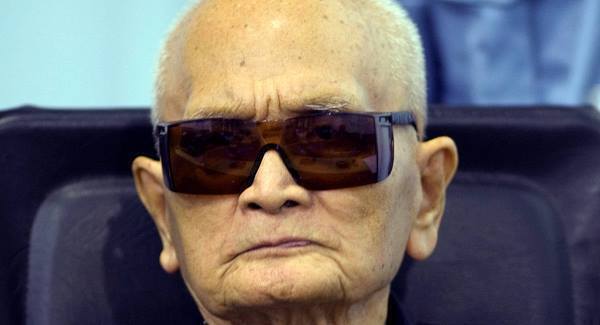
Although survivors welcomed the decision to impose life sentences on Khieu Samphan, an 83-year-old former head of state, and Nuon Chea, the movement’s 88-year-old chief ideologue, they also say justice has come far too late and is simply not adequate.
“Nothing can compare to the immense suffering they imposed, no sentence can be enough. They belong in hell, not an air-conditioned jail cell,” said Youk Chhang, who heads The Documentation Centre of Cambodia, which has collected more than a million documents related to the Khmer Rouge terror.
“But this gives us hope that we can learn from the past... that we can try to prevent this from ever happening again.”
There was no visible reaction from either of the accused when the decisions were announced. Nuon Chea, wearing dark sunglasses, was too weak even to stand from his wheelchair. Defence lawyers insisted the case was not over and vowed to appeal within 30 days.
Summarising the verdict, chief judge Nil Nonn said the defendants were part of “a joint criminal enterprise” that launched “a widespread and systematic attack against the civilian population” after Khmer Rouge guerrillas seized Phnom Penh on April 17, 1975.
The case, which lasted about two years, focused on just one of many mass killing sites and the forced exodus of millions of people from Cambodia’s cities and towns.
Khmer Rouge leader Pol Pot had reset the clock to ’Year Zero’. Society was to be ‘purified’. Money was abolished. Communal kitchens were introduced nationwide. The failed aim: To create an agrarian ‘utopia’.