Wearable tech to evolve inside the human body
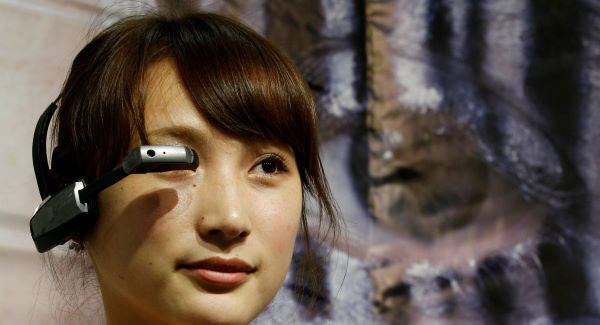
The future of wearable technology will see humans upgrade themselves using computers microscopic in size, according to an industry expert.

Wearable tech to evolve inside the human body

David Evans, the chief futurist at network design multinational Cisco, told the Wearable Technology Conference in London that as technology evolves and shrinks, it will work its way inside the human body.

Speaking in the closing keynote address, Evans used the evidence that, on average, the same computer processing power becomes 100 times smaller each decade.

Referencing the ENIC computer built in 1946 — which weighed 30 tonnes, and the fact the same level of processing power can be found in a musical greeting card today — Evans outlined how this trend will continue.

“Intel announced their Edison line of chips at CES earlier in the year, and what’s significant is that this is essentially a fully blown computing device on something the size of an SD card.”

He outlined how aspects of the microchip were a similar size to strands of human DNA. “If you do the math and fast-forward a little bit, in about two-and-a-half decades, the power of your smartphone will fit into something the size of a red blood cell. It completely changes the game if humans can have red blood cell-size computing.”

Evans believes this level of shrinkage will change the definition of wearable technology. “At the moment, wearables can tell me what I’m doing, not how I’m doing. But this is starting to change. Wearables are becoming awareables; they’re becoming aware of me and they’re becoming aware of their environment.

“I would submit that there are three things required to make a wearable become an awareable; and they are contact, connections, and context. Contact is about physical contact with me...

“Connections change everything. A connection makes something dumb an intelligent thing. When you give something a connection to the cloud it becomes arguably a supercomputer, and while wearables are primarily tethered to your smartphone today hopefully they will evolve and become independent devices that can connect to the cloud.”

Evans said context meant wearables have the intelligence to understand in what context users are working with a device, and cater the data it sends as a result.

More in this section

Cookie Policy Privacy Policy Brand Safety FAQ Help Contact Us Terms and Conditions

© Examiner Echo Group Limited










