Pell named prefect in Francis's Holy See overhaul
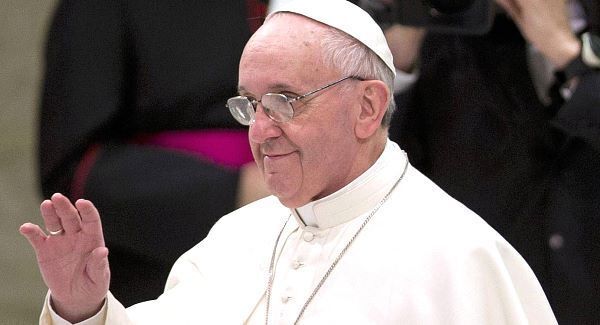
Australian Cardinal George Pell, one of Francis’s core eight cardinal advisers and a sharp critic of current Vatican governance, was named prefect of the new office. He will report to a new 15-member economy council made up of eight cardinals reflecting various parts of the world and seven lay experts.
Francis was elected Pope a year ago on a mandate to reform the Vatican after documents stolen by Pope Benedict XVI’s butler revealed the Holy See bureaucracy to be a dysfunctional, Machiavellian world of petty turf battles, corruption, and political intrigue.
Pell, the outgoing archbishop of Sydney, was remarkably candid about the 2012 leaks scandal, saying it showed a failure of governance under Benedict.
“Problems there have been, problems there are, and this is one factor that has to be addressed as the new pope comes into office,” Pell said before Francis was elected in March 2013.
“It would be useful to have a pope who can pull the show together, lift the morale of the Curia (Vatican bureaucracy), and strengthen a bit of the discipline there and effectively draw on all the energies and goodness of the great majority of the people in the Curia,” Pell said.
The Vatican said the new structure is intended to simplify and consolidate existing management structures and improve oversight, internal controls, and transparency — and provide more support for the Vatican’s works for the poor.
It is the biggest reshuffling of the Vatican’s internal organisation since Pope John Paul II in 1988 issued the apostolic constitution, entitled the Pastor Bonus, the blueprint for the Holy See’s various congregations, pontifical councils, and offices.
The changes appear to significantly diminish the scope of the Secretariat of State, which previously had administrative control over the Holy See while also handling diplomatic relations. The new Secretariat of the Economy’s name suggests some sort of parity with the Secretariat of State — and in the official announcement, Francis said the heads of the two groups are to work together.
The leaks scandal appeared aimed at discrediting the then-secretary of state Cardinal Tarcisio Bertone, blamed for many of the Vatican’s administrative shortcomings under Benedict. Bertone has since retired and been replaced by Cardinal Pietro Parolin, an experienced Vatican diplomat.
The new economics body covers the budgets, financial planning, and administration of the Holy See and the 44-hectare Vatican City State in central Rome which includes the profit-making Vatican museums and post office. An auditor will be empowered to conduct audits of any Vatican agency at any time.
The new structure is the result of a commission of inquiry appointed by Francis last summer to recommend ways to improve efficiency and transparency and reduce waste. Last week, with Francis’s Group of Eight cardinal advisers present, the commission reported its findings.
The Pope has yet to announce a decision on the findings of the other commission of inquiry, on the scandal-hit Vatican Bank, which also presented its recommendations last week.

CONNECT WITH US TODAY



Be the first to know the latest news and updates