Contaminated water leaking from Fukushima nuclear plant
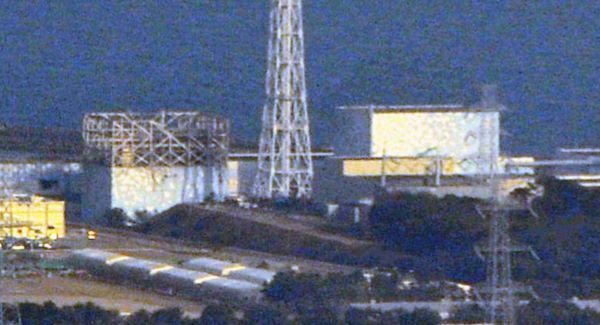
The storage tank breach of about 300 tons of water is separate from contaminated water leaks reported in recent weeks, plant operator Tokyo Electric Power Co said yesterday.
The latest leak, which is continuing, is so contaminated that a person standing 50 centimetres (1.6 feet) away would, within an hour, receive a radiation dose five times the average annual global limit for nuclear workers. After 10 hours, a worker in that proximity to the leak would develop radiation sickness with symptoms including nausea and a drop in white blood cells.
“That is a huge amount of radiation. The situation is getting worse,” said Michiaki Furukawa, who is professor emeritus at Nagoya University and a nuclear chemist.
The embattled utility, Tokyo Electric, has struggled to keep the Fukushima site under control since an earthquake and tsunami caused three reactor meltdowns in Mar 2011.
Japan’s Nuclear Regulation Authority has classified the latest leak as a Level 1 incident, the second lowest on an international scale for radiological releases, a spokesman told Reuters yesterday. But it is the first time Japan has issued a so-called INES rating for Fukushima since the meltdowns. Following the quake and tsunami, Fukushima was assigned the highest rating of 7.
A Tokyo Electric official said workers monitoring storage tanks appeared to have failed to detect the leak of water which pooled up around the tank.
“We failed to discover the leak at an early stage and we need to review not only the tanks but also our monitoring system,” he said.
Continued contaminated water leaks has alarmed Japan’s neighbours, South Korea and China.
Tokyo Electric, also known as Tepco, has been criticised for its failure to prepare for the disaster and been accused of covering up the extent of the problems.
Massive amounts of radioactive fluids are accumulating at the Fukushima plant as Tepco floods reactor cores via a jerry-rigged system to keep melted uranium fuel rods cool and stable.
The water in the improvised cooling system then flows into basements and trenches that have been leaking since the disaster.
Highly contaminated excess water is pumped out and stored in steel tanks on elevated ground away from the reactors, which lie adjacent to the coast.
About 400 tons of radioactive water per day has been pooling and kept in storage at Fukushima.
In order to keep up with the pace of the contaminated water flow, Tepco has mostly relied on tanks that are bolted together with plastic sealing around the joints. Those tanks are less robust, but quicker to assemble, than the welded tanks that the utility has recently started installing. The latest leak came from the more fragile type of tank, which Tepco plans to keep using, although it is looking at ways to improve their strength, said Tepco official Masayuki Ono.
A South Korean Foreign Ministry spokesman confirmed media reports that Seoul had asked Japanese officials to publicly explain what they were doing to stop contaminated water reaching the Pacific Ocean and fishing grounds.
CONNECT WITH US TODAY



Be the first to know the latest news and updates