EU ministers agree to lift Syrian rebels arms embargo
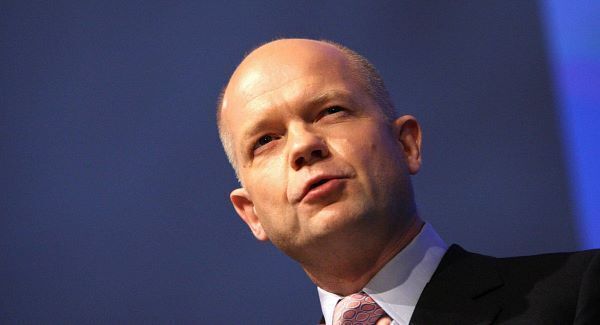
Mr Hague, who had led efforts for the restrictions on weapons to be relaxed, said “no immediate decision” would be made on sending arms to rebels fighting Bashar Assad’s regime.
Following a marathon meeting in Brussels, Mr Hague wrote on Twitter: “Right EU decision tonight. Arms embargo on Syrian opposition ended. No immediate decision to send arms. Other sanctions remain.”
Earlier, Austrian foreign minister Michael Spindelegger told reporters he was concerned about a failure to reach a common position and said that after the EU sanctions collapse “everybody is entitled to deliver weapons to the Assad regime or to the opposition”.
Ahead of the talks, Mr Hague insisted that amending the embargo would force Assad’s regime to take peace talks seriously. “There is a difference over what it’s appropriate now for the EU to do.
“In our view it’s important to show that we are prepared to amend our arms embargo so that the Assad regime gets a clear signal that it has to negotiate seriously,” he said.
“Therefore, for us, amending the embargo is part of supporting the diplomatic work to bring about the political solution.
“We also have to think about what is happening to people in Syria, how long can we go on with people having every weapon that’s ever been devised dropped on them while most of the world denies them the means to defend themselves.
“That is creating extremism, it is radicalising people. We are reaching the limit of how long we can go on with that situation.”
With the possibility of the current sanctions regime expiring without a replacement, Mr Hague told reporters:
“It is important that we are doing the right thing for Syria, that is more important than whether the EU is able to stick together on every detail of this.”
The breakthrough came as Republican Sen John McCain quietly slipped into Syria for a meeting with Syrian rebels. His spokeswoman Rachael Dean confirmed the trip yesterday but declined further comment.
Tánaiste Eamon Gilmore had said Ireland remains opposed to relaxing the arms embargo to Syria.
Speaking in Brussels, Mr Gilmore said the Government was reluctant to see what he called a further militarisation of the conflict.
Britain was the most outspoken proponent of relaxing the arms embargo but faced strong opposition from EU members like Austria who felt that pouring more weapons into the war zone will only increase the deaths in Syria and tarnish the EU’s reputation as a peace broker.
More than 70,000 people have died since the uprising against Assad erupted in March 2011. Assad has been using extensive firepower against lightly armed rebel factions.
French foreign minister Laurent Fabius said there were more indications than ever that gas warfare had become part of the Syrian civil war.
France said it had been looking into such reports since early this month.