Syria agrees ‘in principle’ to attend peace talks
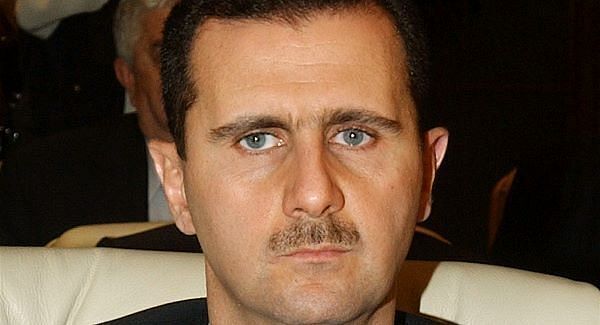
The comments by Walid al-Moallem marked the first direct confirmation that the regime of Syrian president Bashar al-Assad is ready to send representatives to the UN-sponsored conference. Late last week, Syria ally Russia said the regime is willing to participate.
The statement puts more pressure on Syria’s main opposition bloc, the Syrian National Coalition, to signal acceptance. The group was meeting in Istanbul for the fourth day yesterday to come up with a unified position on the proposed peace talks, elect new leaders and expand membership.
Much about the conference remains up in the air, including its date, agenda, and list of participants. There are also still yawning gaps between the two sides on what the meeting should accomplish.
Syrian opposition leaders have said they are willing to attend the talks, but that Assad’s departure must top the agenda of any political transition. Assad said earlier this month that his future will not be determined by international talks and that he will only step down after elections are held.
Louay Safi, a senior opposition member, said those conditions still stand, but that the coalition currently is bogged down with disagreements over expansion and can not issue a definitive statement on participation in the Geneva talks.
Al-Moallem said that talks in Geneva present a “good opportunity for a political solution for the crisis in Syria”, but did not say under what terms the Assad government would dispatch representatives.
Despite such upbeat comments, the Syrian opposition’s Western and Arab allies are sceptical about Assad’s commitment to negotiations.
At the same time, fighting has continued unabated inside Syria. For the past week, regime troops and allies from Lebanon’s Hezbollah militia have waged an offensive against the strategic rebel-held town of Qusair in western Syria. They have gained ground amid heavy shelling, but rebels have held some positions.
The Qusair battle has laid bare Hezbollah’s growing role in the Syrian conflict. Hezbollah, which has been fighting alongside Assad’s troops, initially tried to play down its involvement, but could no longer do so after dozens of its fighters were killed in Qusair and buried in large funerals in Lebanon.
Meanwhile, a pair of rockets slammed into a car dealership and a residential building in strongholds of Lebanon’s Hezbollah militia in southern Beirut yesterday, wounding four people and raising fears that Syria’s civil war is increasingly spreading into Lebanon.