Cameron urges papers to back press deal
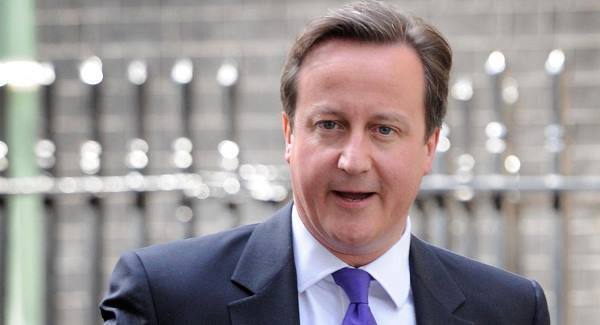
Britain’s prime minister David Cameron yesterday urged the newspaper industry to sign up to a new system of regulation, which he said would preserve freedom of the press while protecting the vulnerable.

Cameron urges papers to back press deal

The proposed new system was agreed in a cross-party deal at 2.30am yesterday morning, after late-night talks which averted almost certain defeat for the prime minister in the House of Commons later in the day.

Setting out plans for a royal charter to back a new, tougher press regulator with the power to impose big fines and prominent apologies on errant newspapers, Mr Cameron told MPs that the proposals delivered on the recommendations of last year’s Leveson Report on press standards.

The agreement was backed by the Hacked Off campaign, which said it believed the new system would produce a “genuinely independent” regulator.

However, there was a cautious response from elements of the press, with a joint statement signed by the Mail, Telegraph, News International and Northern and Shell warning that there remained “several deeply contentious issues which have not yet been resolved with the industry”.

Despite their agreement, the parties continued to squabble over the legal status of the new system. In an emergency debate in the Commons, Mr Cameron insisted the scheme did not “cross the Rubicon” of introducing a press law, which he said would open the door for future governments to suppress free speech.

But Labour leader Ed Miliband maintained there was “statutory underpinning” for the royal charter, while Liberal Democrat leader Nick Clegg described it as “a royal charter protected by legislation”.

Mr Cameron made concessions to secure the deal, dropping a veto for the industry over the regulator’s membership and agreeing that the regulator had the power to “direct” newspapers on the prominence of apologies and corrections.

But he told MPs he had “unblocked the logjam” on Leveson by walking away from cross-party talks last Thursday and putting forward Conservative proposals for a vote last night.

The royal charter — due for approval by the Queen at the May meeting of the Privy Council — will establish a recognition panel to oversee the new system of press self-regulation and ensure it is genuinely independent and effective. The charter does not require parliamentary approval, but two pieces of legislation are being passed to ensure it functions as intended. The Commons was last night due to approve an amendment to the Crime and Courts Bill, allowing the courts to impose “exemplary damages” on newspapers which refuse to sign up to the new system. The House of Lords has agreed an amendment to the Enterprise and Regulatory Reform Bill, protecting the charter from being altered without a “super-majority” of two-thirds of both Houses of Parliament.

x

More in this section

Cookie Policy Privacy Policy Brand Safety FAQ Help Contact Us Terms and Conditions

© Examiner Echo Group Limited