Thousands evacuate in advance of superstorm
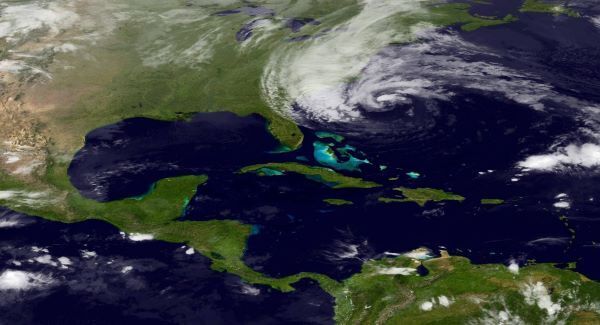
Close to 400,000 people were ordered to evacuate coastal areas in the north-eastern US as cities and towns were braced for the onslaught of a “superstorm” threatening some 60m people along the country’s most heavily-populated corridor.

Thousands evacuate in advance of superstorm

“The time for preparing and talking is about over,” warned Craig Fugate, a federal emergency management administrator, as Hurricane Sandy headed up the Atlantic Coast on a collision course with two other weather systems. “People need to be acting now.”

New York City announced its subways, buses and trains would stop running and its 1.1m-student school system would close.

Mayor Michael Bloom-berg also ordered the evacuation of part of lower Manhattan and other low-lying neighbourhoods.

“If you don’t evacuate, you are not only endangering your life, you are also endangering the lives of the first responders who are going in to rescue you,” said Bloomberg.

Tens of thousands of people along the coast in Delaware, New Jersey, Connecticut, and other threatened areas were also under orders to clear out because of as much as 30cm of rain, punishing winds of 130kph, and a potentially deadly wall of water 1.2 to 3.3 metres high.

US president Barack Obama met federal emergency officials for an update on the storm’s path and the danger it poses. Obama said Sandy is a “serious and big storm” that will be slow-moving and might take time to clear up. The government would “respond big and respond fast” after it hits, he said.

Sandy was heading north from the Caribbean, where it left at least 65 people dead, mostly in Haiti, and was expected to veer west toward the mid-Atlantic coast and come ashore late today or early tomorrow, most likely in New Jersey, colliding with a wintry storm moving in from the west and cold air streaming down from the Arctic.

Forecasters warned that the resulting megastorm could wreak havoc over 1,300km from the east coast to the Great Lakes. Parts of West Virginia, Virginia, Kentucky and North Carolina could get snow of 60cm or more in places.

The danger was not limited to coastal areas, with officials worried about inland flooding. They also warned that the rain could saturate the ground, causing trees to topple onto power lines and cause blackouts that could last for several days.

States of emergency were declared from North Carolina, where gusty winds whipped up steady rain yesterday morning, to Connecticut. Delaware ordered 50,000 people in coastal communities to clear out.

Officials in New York City were particularly worried about the possibility of subway flooding. The city closed the subways before Hurricane Irene last year, and a Columbia University study predicted a surge just 30cms higher would have paralysed lower Manhattan.

However, the New York Stock Exchange planned to open for trading as usual tomorrow, despite fears that flooding would damage the underground electrical network that is so vital to the nation’s financial centre.

Sandy was at Category 1 strength, featuring 120kph winds, about 435km southeast of Cape Hatteras, North Carolina, and moving northeast at 22.5kph as of 6pm yesterday, according to the National Hurricane Centre in Miami.

It was then about 925 km south of New York City.

But the storm is so big that forecasters can not say with any certainty which areas will be hit worst.

Bobbie Foote said she would heed an evacuation order for south Wilmington, Delaware, and would take shelter at her daughter’s home in nearby Newark.

“My daughter insists that I leave this time,” said Foote, a 58-year-old fitness coach. It will be the first time she has fled a storm threatening the apartment building that has been her home for at least 40 years in the working-class neighbourhood.

She said she stayed last year when flooding from the remnants of Hurricane Irene blocked streets at either end of the neighbourhood. She said her daughter wouldn’t stand for her getting trapped in that way again.

“She said I should never put myself in that predicament where I cannot get in or out of where I live,” she said.

Airlines started moving planes out of airports to avoid damage last night.

x

More in this section

Cookie Policy Privacy Policy Brand Safety FAQ Help Contact Us Terms and Conditions

© Examiner Echo Group Limited