Annan: New deal agreed with Syria’s Assad
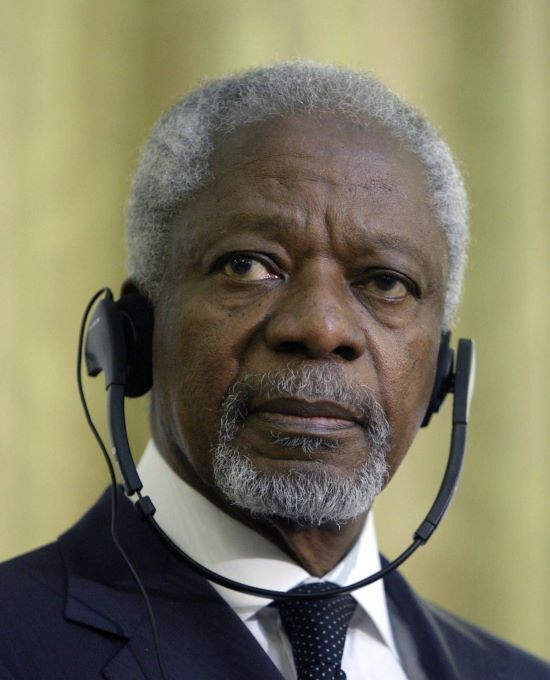
Opposition activists raised the death toll in the conflict to more than 17,000.
Annan, the architect of the primary international plan to end Syria’s 16- month-old crisis, arrived in Iran late last night for talks with leaders there. With the violence in Syria growing increasingly chaotic and diplomatic efforts faltering, Annan has said Iran, a staunch Syrian ally, must be a part of a solution to the conflict.
“We agreed on an approach which I will share with the armed opposition,” Annan told reporters following a two-hour meeting with Assad which he described as “candid and constructive”.
“I also stressed the importance of moving ahead with a political dialogue which the president accepts,” he said. Annan did not disclose details of the framework he reached with Assad.
Meanwhile, Russia has signalled it will not sign new weapons contracts with Syria until the situation there calms down.
The country will continue with previously agreed exports, but will not be selling new arms to Syria, Vyacheslav Dzirkaln, deputy chief of the Russian military and technical co-operation agency, told Russian news agencies.
The Russians have blocked the UN’s Security Council from taking strong, punitive action against the Assad regime and are seen as the country’s key arms supplier, putting it in conflict with the West.
Russia has been providing Syria’s army with spare parts and assistance in repairs of the weapons supplied earlier, Mr Dzirkaln said. He insisted that Russia does not sell helicopters or fighter planes to Syria.
Foreign Secretary William Hague said he welcomed the decision but added that Britain “would like to see a halt of all deliveries of weaponry to a regime that has embarked on the killing of so many of its own people”.
US secretary of state Hillary Clinton last month issued a harsh reprimand to Russia, saying that Moscow “dramatically” escalated the crisis in Syria by sending attack helicopters there. The state department acknowledged later that the helicopters were actually refurbished ones already owned by the Syrian regime.
Annan’s efforts to broker an end to the Syrian conflict as the UN-Arab League envoy have unravelled as the uprising that began with peaceful protests in March 2011 has spiralled toward civil war.
The Britain-based Syrian Observatory for Human Rights said yesterday that 17,129 people had been killed since March 2011, 11,897 were civilians.
The group has a network of activists on the ground who document deaths and rights violations through eyewitness, accounts, hospitals and video footage. Another group, the Local Coordination Committees, says 14,841 civilians and fighters have been killed. The LCC does not report Syrian military deaths.
In an interview with the French daily Le Monde, Annan acknowledged that the international community’s efforts to find a political solution to the escalating violence in Syria have failed. He said more attention needed to be paid to the role of longtime Syrian ally Iran, saying Tehran “should be part of the solution”.
It is unclear what role Annan envisions for Iran, a staunch Syrian ally that has stood by Assad throughout. Tehran’s close ties could make it an interlocutor with the regime, though the US has often refused to let Iran attend conferences about the Syria crisis.
Annan’s six-point peace plan was to begin with a ceasefire in mid-April between government forces and rebels seeking to topple Assad, to be followed by political dialogue. But the truce never took hold, and almost 300 UN observers sent to monitor the ceasefire are now confined to their hotels because of the escalating violence.

CONNECT WITH US TODAY



Be the first to know the latest news and updates