British public sector strike over pensions

HUNDREDS of thousands of British public sector workers went on strike to defend their pensions, causing widespread school closures in a major challenge to the year-old government.

British public sector strike over pensions

Jobcentres, tax offices and museums were also closed across the country as four unions called out up to 600,000 workers to protest against plans to make them work longer and pay more into their pensions.

However, airport operator BAA said fears of delays at London Heathrow from a walkout by immigration and customs staff had failed to materialise

British prime minister David Cameron said the strike was premature as the changes were still being negotiated, and warned with an ageing population reform was inevitable because ā€œthe pension system is in danger of going brokeā€.

Action by three education unions caused the closure of about a third of schools in England and the disruption of another third, according to the Department for Education. There was also widespread disruption in Wales.

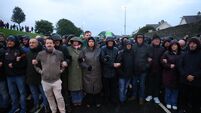
Picket lines were also set up outside government buildings, law courts and even the British Museum, and several thousand people gathered for a march in London, brandishing banners calling for ā€œFair pensions for allā€.

ā€œI will lose Ā£60,000, I’ll pay an extra Ā£60 a month and I’ll have to work seven or eight years longerā€ under the reforms, said Richard Jones, a 39-year-old civil servant on the march.

It looks set to be the largest public sector strike since one million local government workers walked out in March 2006, and some union leaders have warned it may only be the beginning of months of industrial unrest over pensions.

Cameron’s coalition has been the focal point of public sector anger after it announced a two-year pay freeze and 330,000 job losses by 2015 in an attempt to rein in a record budget deficit.

It is facing the possibility of widespread unrest just 13 months after it took office over plans to delay the retirement age for public sector workers by up to six years, increase contributions and replace final salary pensions with ones based on average career earnings.

ā€œThis is the best-supported strike we’ve ever had,ā€ said Mark Serwotka, the head of the Public and Commercial Services (PCS) union, which had called out 250,000 civil servants for the strike.

He said they were sending ā€œa clear message to the government that they will not tolerate these attacks on their hard-earned pensions rightsā€.

Education minister Michael Gove said he was ā€œdisappointedā€ at the action.

More in this section

Cookie Policy Privacy Policy Brand Safety FAQ Help Contact Us Terms and Conditions

Ā© Examiner Echo Group Limited