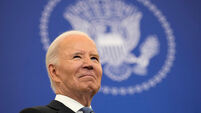
Pressure piles on British PM over huge data loss
The personal data of some 25 million people — virtually every family with children under 16, likely including Mr Brown’s — went missing in the biggest-ever loss of personal information by any government. Two password-protected compact discs containing the names, addresses, dates of birth and bank account details of millions disappeared after a junior official, who failed to post them by recorded delivery, sent them to auditors.
The incident is a serious embarrassment for Mr Brown who — as Chancellor under Tony Blair — prided himself on restoring his Labour Party’s reputation for economic competence and oversaw the creation of HM Revenue and Customs (HMRC), the body responsible for the loss.
During a bad-tempered weekly question and answer session in parliament, Mr Brown said: “I profoundly regret and apologise for the inconvenience and worries that have been caused to millions of families.
He said Britain’s top civil servant, Cabinet Secretary Gus O’Donnell and security experts would make sure all departments and agencies check their data security regimes. The chairman of accountants PricewaterhouseCoopers Kieran Poynter will also investigate security procedures at HMRC.
Conservative leader David Cameron alleged there were “systemic failures” at HMRC and called on Mr Brown to “show some broad shoulders” and accept responsibility for the fiasco.
The incident has piled pressure on both Mr Brown and his Chancellor Alistair Darling, who were already facing criticism of their economic policy amid the crisis surrounding troubled bank Northern Rock.
Mr Brown insisted no minister should resign over the affair, although Mr Darling’s previous reputation for quiet competence is now in tatters, commentators say.
Both Mr Brown and Mr Darling say there is no evidence the information had fallen into criminal hands. Information Commissioner Richard Thomas told BBC radio it was “almost certain” the government had breached its own data protection laws.
Banks have told customers to watch their accounts for signs of fraud and reported a spike in the number of customers checking their accounts and calling to ask for advice.
CONNECT WITH US TODAY



Be the first to know the latest news and updates